Justice Department Voting Rights Section Faces Staffing Collapse Amid Legal Strategy Shift
Former and current staff describe the section's operations as having shifted from enforcing federal voting rights to acting as a political tool, citing frequent procedural errors in recent legal filings.
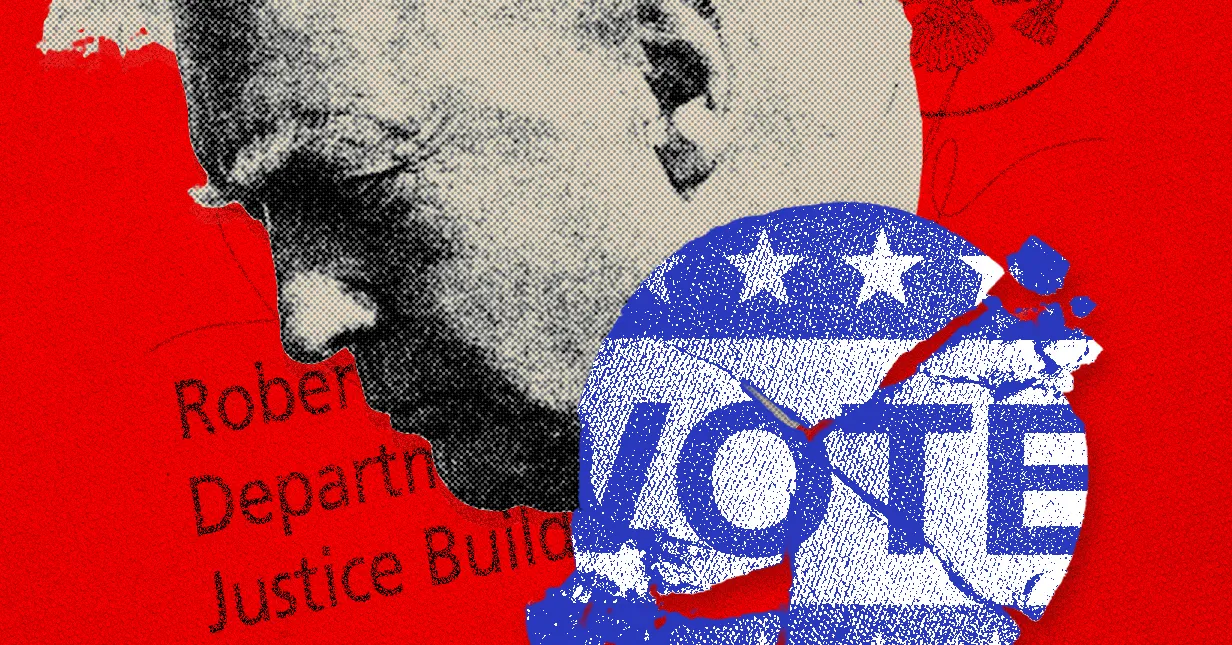
Following Donald Trump's second inauguration in January 2025, the Justice Department's Voting Rights Section underwent a significant restructuring that saw approximately 30 attorneys depart within three months. This mass exodus left only two experienced lawyers remaining before the unit was reorganised under Assistant Attorney General Harmeet Dhillon. The new leadership replaced seasoned staff with new hires described as lacking federal court experience, marking a sharp departure from the section's traditional role in enforcing the Voting Rights Act.
Under Dhillon's direction, the restructured section has aggressively pursued litigation against 30 states and the District of Columbia. The primary objective of these lawsuits is to compel the release of unredacted voter rolls, which contain sensitive personal data including Social Security numbers and driver's licences. While the Department of Justice maintains that it has full authority to ensure states comply with federal election laws, critics argue the strategy is designed to undermine election integrity and generate legal fodder to challenge future election results.
The new leadership team includes several figures with backgrounds in election challenges and right-wing legal groups. Maureen Riordan, who served as acting chief, previously worked for the Public Interest Legal Foundation, a group known for seeking voter rolls through litigation. Additionally, Megan Frederick and Christopher Gardner joined the section after representing the Trump campaign in 2020 attempts to contest election results. These appointments have drawn scrutiny from former staff who view the current operations as a weapon against voters rather than a protector of civil rights.
Procedural competence within the section has been widely criticised by former and current lawyers, who report a series of basic errors in court filings. Instances include requesting records from the wrong election years, such as seeking 2000 records instead of 2020, and misspelling officials' names repeatedly in legal documents. In one notable case, a lawsuit filed in February regarding New Jersey misspelled Governor Mikie Sherrill's last name five out of eight times she was mentioned in the filing.
In an apparent response to these quality issues, the Civil Rights Division implemented a remedial writing course for its lawyers in February 2025. Former staff described this measure as unprecedented and indicative of a steep decline in professional standards, noting that such training was never required during their tenure. Despite these internal adjustments, the unit continued to file lawsuits against five new states in February 2025, including Utah, Oklahoma, Kentucky, West Virginia, and New Jersey.
While some courts have rejected these actions, with judges in Michigan, Oregon, California, Massachusetts, and Rhode Island dismissing the lawsuits, the Department of Justice persists in its efforts. Legal experts warn that the connection between the current litigation strategies and debunked conspiracy theories regarding the 2020 election poses a significant threat to public trust in the electoral process as the midterms approach.