Jury dismisses Musk’s OpenAI lawsuit on procedural grounds
A federal jury in Oakland has ruled in favour of OpenAI, ending Elon Musk’s high-profile legal battle. The dismissal underscores broader public scepticism regarding the trustworthiness of industry executives.
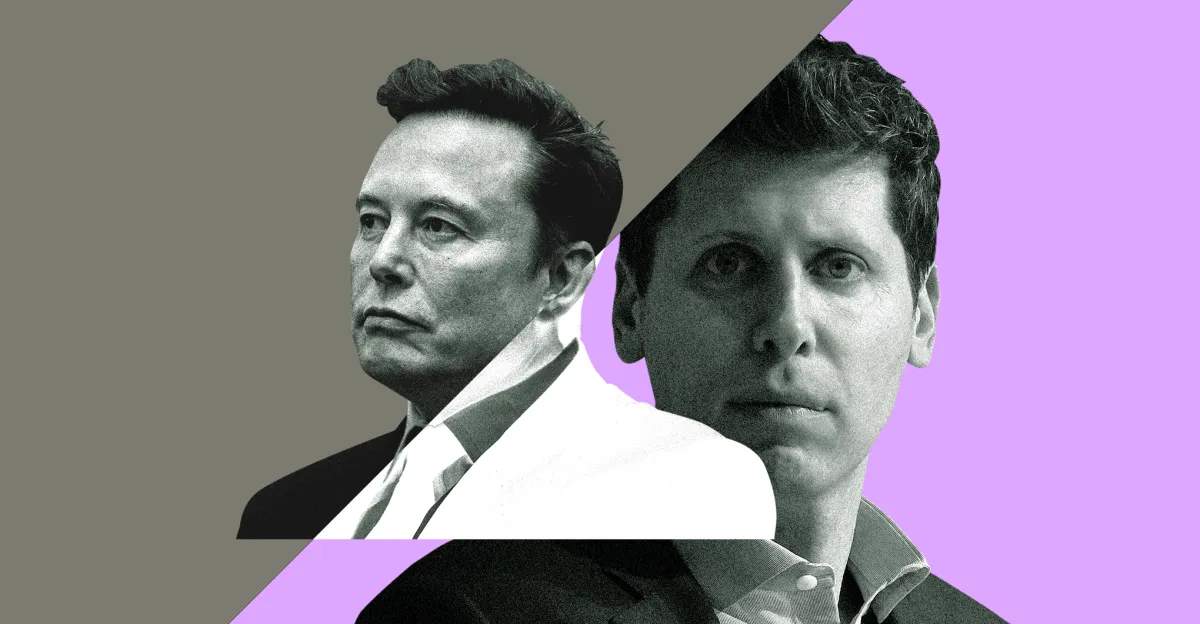
A federal jury in Oakland, California, has dismissed Elon Musk’s lawsuit against Sam Altman and OpenAI, ruling that the claims were filed after the statute of limitations had expired. The nine-member panel delivered a unanimous verdict on Monday after less than two hours of deliberation, a decision immediately adopted by US District Judge Yvonne Gonzalez Rogers. The ruling concludes a three-week trial that featured intense testimony regarding internal governance conflicts, allegations of dishonesty, and disputes over artificial intelligence safety protocols.
Musk had sought to reverse OpenAI’s conversion to a for-profit entity and force the removal of Altman and Greg Brockman from their leadership positions. He had accused the company and its leadership of manipulating him into contributing $38 million and subsequently straying from the organisation’s founding mission. During the proceedings, Musk’s lead lawyer, Steven Molo, attempted to portray Altman as dishonest, referencing a recent New Yorker profile and questioning the CEO’s character. Altman’s legal team countered by challenging Musk’s own credibility and safety record.
Testimony revealed significant internal friction, with former chief technology officer Mira Murati stating that Altman had falsely claimed legal approval for skipping a safety review. Joshua Achiam, now OpenAI’s chief futurist, testified that Musk’s competition with Google led to an unsafe approach to achieving artificial general intelligence. Former board members Greg Brockman and Ilya Sutskever had previously opposed Musk’s potential control, fearing an AI dictatorship, with Sutskever authoring a memo alleging a pattern of lying by Altman.
The trial also highlighted the complex personal dynamics within the industry. Shivon Zilis, a Musk associate and former OpenAI board member, was noted for concealing her relationship with Musk while serving on the board. Brockman’s diary entries were used to suggest that the company had not been fully transparent with Musk regarding its structural changes. These revelations contributed to a broader narrative of untrustworthiness among key figures in the sector.
Public sentiment regarding the AI industry is currently at a low point, with a 2025 Pew Research study indicating that nearly 60 percent of US adults feel they have little to no control over AI usage. Protests against data centre construction are surging, and there have been alleged attempts to attack Altman’s home. The legal outcome reinforces concerns about accountability in a trillion-dollar industry, with many observers questioning the suitability of current leaders to manage the technology’s rapid advancement.
