Jury dismisses Musk’s OpenAI lawsuit on procedural grounds
A nine-member jury in Oakland has ruled against Elon Musk in his high-profile case against OpenAI, determining that the claims were time-barred. The verdict avoids a substantive ruling on allegations regarding the company’s shift to a for-profit structure.
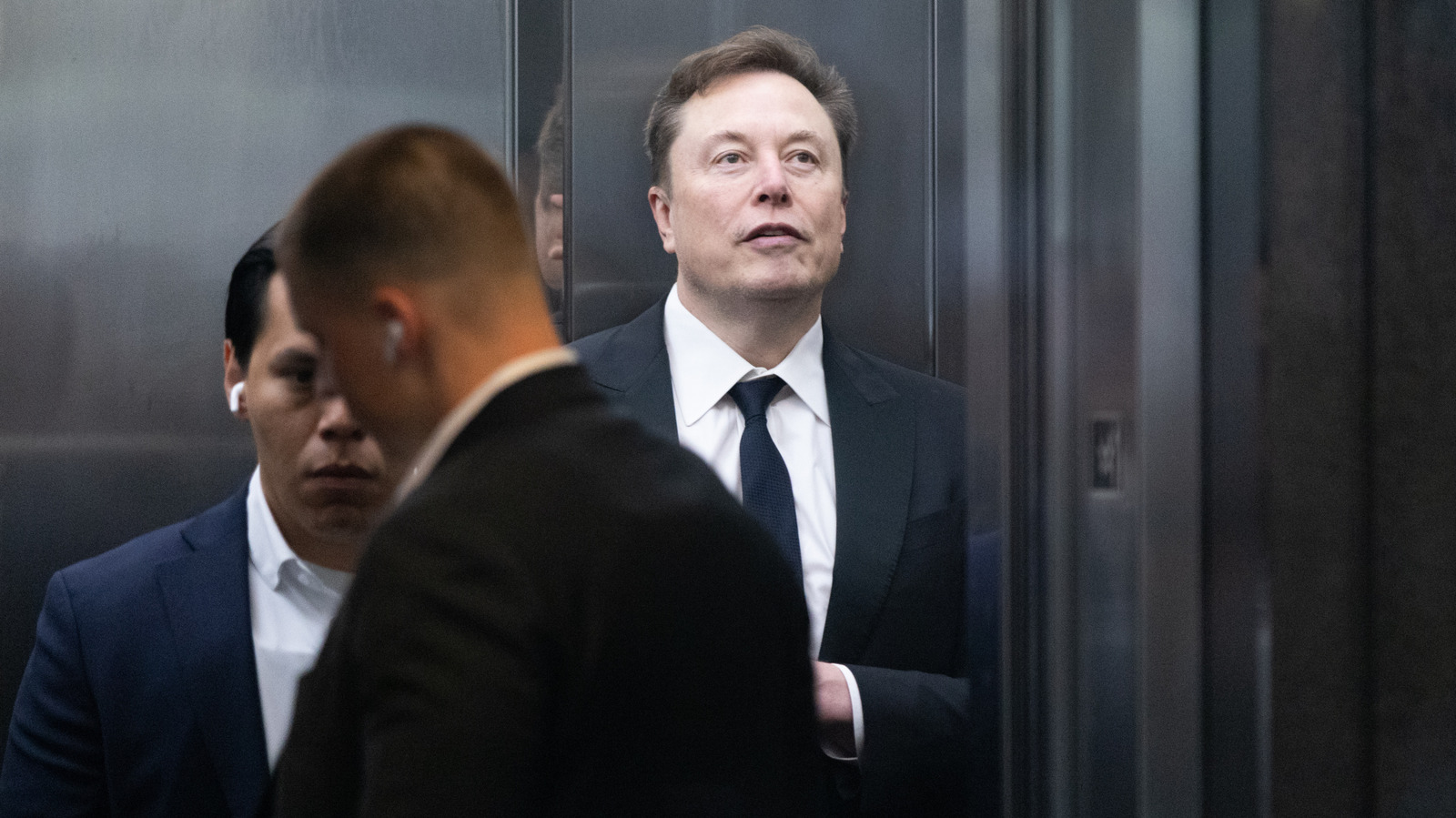
A federal jury in Oakland, California, has delivered a unanimous verdict in favour of OpenAI, dismissing the lawsuit initiated by Elon Musk on the grounds that the claims were filed after the statutes of limitations had expired. The nine-member panel deliberated for less than two hours before reaching its decision, concluding a three-week trial that centred on Musk’s allegations that OpenAI executives had steered the organisation away from its original nonprofit mission.
US District Judge Yvonne Gonzalez Rogers immediately adopted the advisory jury’s recommendation, ruling that Sam Altman and Greg Brockman were not liable. The court did not rule on the substantive merits of Musk’s claims, which alleged breach of charitable trust, unjust enrichment, or aiding and abetting. The dismissal means the jury did not determine whether OpenAI executives, aided by Microsoft’s financial backing, had improperly converted the entity to a for-profit structure.
Musk had sought to reverse OpenAI’s conversion to a for-profit entity and force the removal of Altman and Brockman from their leadership positions. The trial featured intense cross-examination, with Musk’s lead lawyer, Steven Molo, attempting to portray Altman as dishonest. Molo referenced a recent New Yorker profile and questioned Altman’s character, noting that former colleagues, including former CTO Mira Murati, had described him as deceptive.
Altman, who stated he believed himself to be an honest person, struggled to answer allegations regarding statements made by past employees. When questioned about descriptions of his behaviour, Altman repeatedly claimed he had not seen the testimony of former staff. Molo challenged Altman’s responses, asking if he had been called a liar by people with whom he had done business, to which Altman acknowledged he had heard such comments.
While Altman appeared meek during his testimony, Musk was described as combative and testy. He accused OpenAI’s lead counsel, William Savitt, of asking questions designed to trick him. Musk was also absent from the courtroom during closing arguments, despite a judicial order to remain available for potential further testimony. His absence was attributed to his participation in a diplomatic trip to China alongside Donald Trump.
Prior to the trial, Musk faced significant hurdles in securing the remedies he sought. Judge Gonzalez Rogers had previously expressed deep hesitation to undo the work of public officials regarding OpenAI’s negotiations with the Attorneys General of California and Delaware. She had described Musk’s request for a preliminary injunction to stop the conversion as extraordinary and rarely granted, signalling the steep procedural barriers the plaintiff faced.
The verdict resolves the legal dispute on procedural grounds rather than factual ones. By finding the statute of limitations had expired when Musk filed the lawsuit, the jury avoided a determination on whether the company’s governance changes violated its founding charitable purpose. The ruling leaves OpenAI’s current for-profit structure and leadership team intact.
