Jury begins deliberations in Musk v Altman trial as OpenAI faces governance scrutiny
Elon Musk seeks to overturn OpenAI’s restructuring and claim $134 billion, while the AI giant defends its transition to a public benefit corporation ahead of a potential initial public offering.
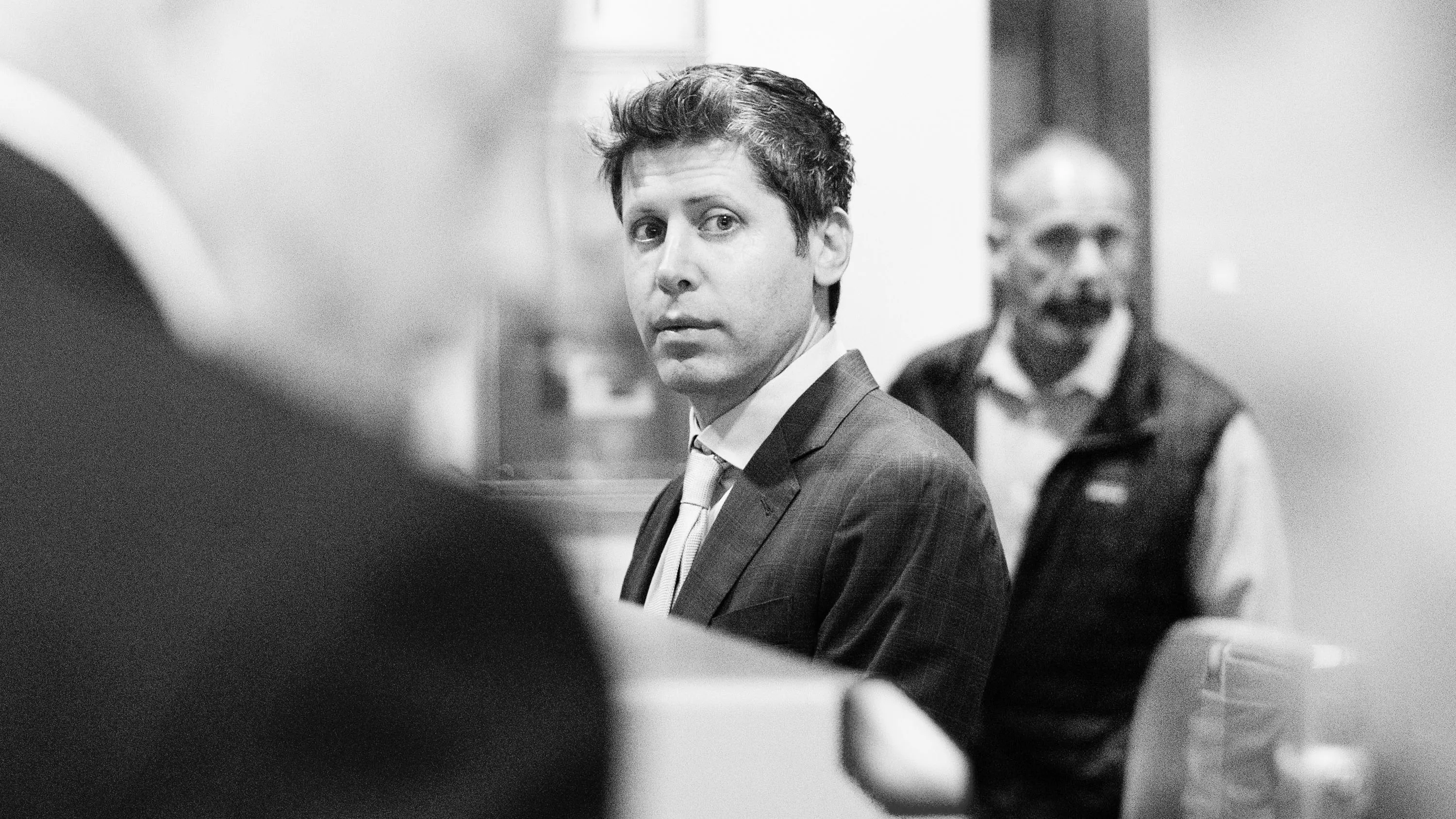
The trial between Elon Musk and OpenAI chief executive Sam Altman has concluded with closing arguments, and the jury is scheduled to begin deliberations on Monday. The proceedings have centred on allegations that Altman and OpenAI president Greg Brockman breached promises to maintain the organisation as a nonprofit, instead creating a for-profit subsidiary that enriched them. Musk is seeking to unwind OpenAI’s 2025 restructuring, remove both executives from their roles, and claim up to $134 billion in damages from OpenAI and Microsoft.
OpenAI’s legal team, led by lawyer Sarah Eddy, argued that no such promises were made to keep the entity a pure nonprofit. Eddy asserted that the nonprofit remains dedicated to safe artificial intelligence development and characterised Musk’s lawsuit as a late attempt to sabotage his competitor, xAI. She noted that Musk filed the suit in 2024, after the statutes of limitations on his claims had expired, and argued that his true motive was to gain control over the development of artificial general intelligence.
Musk’s lawyer, Steven Molo, countered that Altman and Brockman broke their promise to use Musk’s donations to maintain OpenAI as a nonprofit benefiting humanity. Molo presented evidence that the nonprofit and for-profit entities are controlled by the same individuals, with seven of the nonprofit’s eight board members also serving on the for-profit’s board. He argued that the nonprofit lacks the staff, funding, and practical ability to exercise control over the company, describing it as having "no voice."
The trial has drawn significant attention due to its implications for OpenAI’s governance and its potential initial public offering, which could be upended if the judge rules in Musk’s favour. OpenAI is facing an IPO at a valuation approaching $1 trillion. Meanwhile, xAI is expected to go public as part of Musk’s rocket company SpaceX as early as June, at a target valuation of $1.75 trillion.
During the final week of testimony, the case highlighted broader concerns about AI safety and corporate accountability. OpenAI presented a golden trophy of a donkey’s ass, inscribed “Never stop being a jackass for safety,” gifted to chief futurist Joshua Achiam after he warned that speed could compromise safety when Musk called him a “jackass” in 2018. The proceedings have also prompted external scrutiny, with the US House oversight committee launching an investigation into Altman’s potential conflicts of interest and attorneys general from more than a half-dozen states calling for a Securities and Exchange Commission review.
US District Judge Yvonne Gonzalez Rogers will make the final ruling, as the jury’s verdict will be advisory. While the judge warned during the first week that the trial was not about AI safety, the issue remained a central theme, with lawyers trading barbs over the safety track records of ChatGPT and Grok. Outside the Oakland courthouse, protesters expressed their concerns, including one wearing a costume of Musk holding a bag of ketamine and driving a Cybertruck.
Law professor Jill Horwitz noted that the OpenAI nonprofit has barely any staff, little money, and unclear obligations to fund it, raising questions about its ability to exercise control over the company. She stated that the public interest in the nonprofit loses, no matter who wins or loses the trial, as the entity lacks the resources to effectively govern the for-profit arm.
