Japanese auto exports to Middle East collapse 90% as Hormuz closure halts shipments
The US-Israeli conflict with Iran has effectively closed the Strait of Hormuz, disrupting logistics for Toyota, Nissan and other major manufacturers who rely on the region for 14% of global sales.
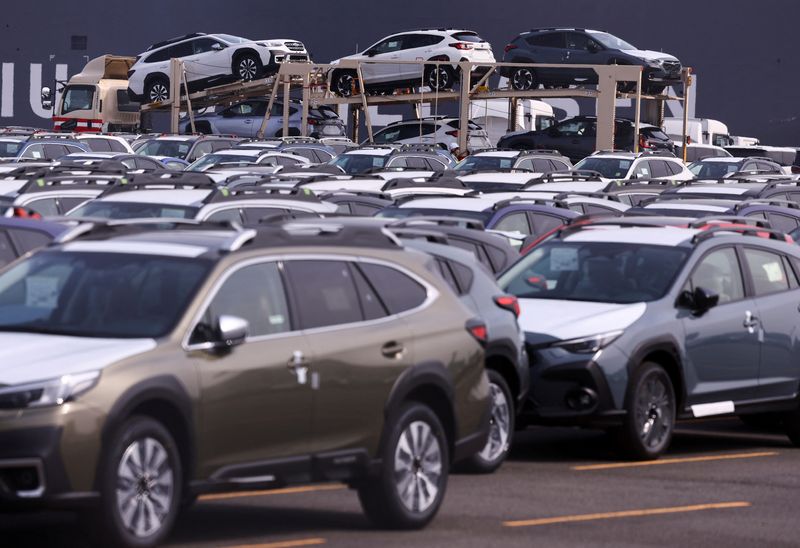
Japanese vehicle exports to the Middle East fell by more than 90% in both value and volume in April, according to government data released by the Ministry of Finance on May 21. The collapse affects shipments of passenger cars, trucks and buses, with industry leaders attributing the disruption to the effective closure of the Strait of Hormuz following the US-Israeli war on Iran.
The region accounted for approximately 14% of Japan’s global motor vehicle exports in 2025, making it a critical market for major automakers including Toyota and Nissan. The Japan Automobile Manufacturers Association noted that the immediate impact has been primarily logistical, with some manufacturers reducing production of vehicles bound for the Middle East due to transportation blockages.
Toshihiro Mibe, vice chairman of the auto lobby, confirmed that the closure of the Strait of Hormuz has forced production adjustments. While the association expects the disruption to remain confined to shipping, the government stated it has secured ample supplies of chemical products, excluding naphtha and lubricants, to mitigate broader industrial risks.
Analysts suggest the conflict may accelerate long-term structural changes in the automotive supply chain. Sanshiro Fukao, an executive fellow at the Itochu Research Institute, indicated that the war could prompt automakers to shift production and exports from India over the next three to five years to reduce shipping-related risks and costs. Toyota has already announced plans to construct a new factory in India with an annual capacity of 100,000 vehicles, with production scheduled to begin in the first half of 2029.
Despite having the highest absolute exposure in the region, Toyota may be better positioned to absorb the shock due to its broader geographic diversification. Julie Boote, an auto analyst at Pelham Smithers Associates, noted that the Middle East accounts for only about 6% of Toyota’s total sales, allowing the company to weather the disruption more effectively than competitors with less diversified portfolios.