Italian Dubbing Controversy Erupts Over Voice Cast for 'The Devil Wears Prada 2'
Viewers question the disconnect between the advanced age of Italian voice actors and the energetic nature of their characters in the highly anticipated Hollywood sequel.
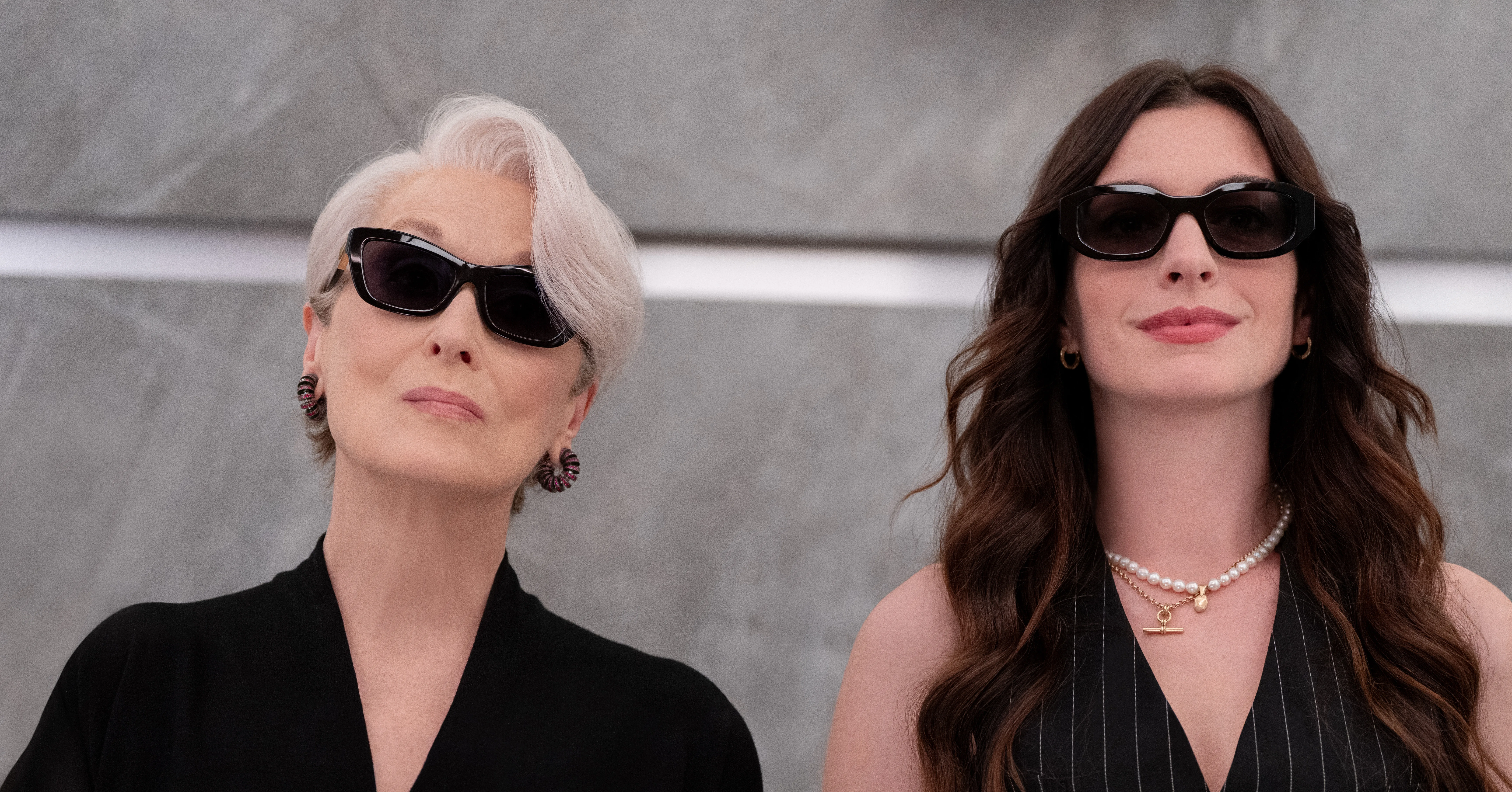
The Italian release of *The Devil Wears Prada 2* has ignited a debate regarding the decision to retain the original voice actors from the 2006 sequel. While this choice aims to preserve continuity for returning fans, it has drawn criticism from viewers concerned about the advanced age of the cast relative to their energetic characters.
The controversy stems from the decision to use the same cast as the original, a move intended to satisfy audiences familiar with the established Italian dubs. Maria Pia Di Meo, a veteran actress born in 1939, returned to voice Meryl Streep's Miranda Priestly, while Gabriele Lavia reprised his role as Stanley Tucci's Nigel. Di Meo is widely recognised for her work dubbing major Hollywood stars over recent decades, yet her return has raised questions about the suitability of her 87-year-old voice for a character portrayed by a 76-year-old Streep in the original film.
Critics have highlighted a perceived disconnect between the actors' voices and the energetic nature of their roles. Some viewers argue that the nine-year age gap between Di Meo and Streep in the source material is too significant to bridge effectively. Similarly, Lavia's performance has been described by some observers as forced, adding to the unease surrounding the casting choices for the sequel.
Beyond the specific casting, the backlash points to a broader issue regarding the effectiveness of the current dubbing industry. Critics argue that the system struggles to match the rapid pacing and cultural specificity found in modern Hollywood productions. The fast delivery of dialogue in the film has made certain lines difficult for native Italian speakers to follow, regardless of the voice actor's experience.
Specific examples cited include references to a "features editor" at a fashion magazine and a "venti" Starbucks drink. These lines rely on cultural context and specific job titles that are not immediately obvious to international audiences, particularly when delivered quickly. The adaptation of such nuanced dialogue has been questioned as a challenge for the current dubbing infrastructure.
Despite the online debate, the film has achieved significant commercial success, generating $77 million in the US and $157 million globally since its April 29 release. However, the discussion highlights a growing tension between the preference for dubbed versions in Italian cinemas and the evolving demands of contemporary film content.
The story originates from WIRED Italia and has been translated for international publication. While there are no official statements from the film's producers or the dubbing studio regarding the backlash, the conversation underscores the challenges faced by the industry in keeping pace with modern cinematic storytelling.
