ISS atmosphere leak resurfaces in Russian module, reigniting retirement debate
The return of microscopic cracks in the International Space Station’s Russian segment has prompted renewed scrutiny over plans to extend the facility’s operational life beyond its scheduled 2030 retirement date.
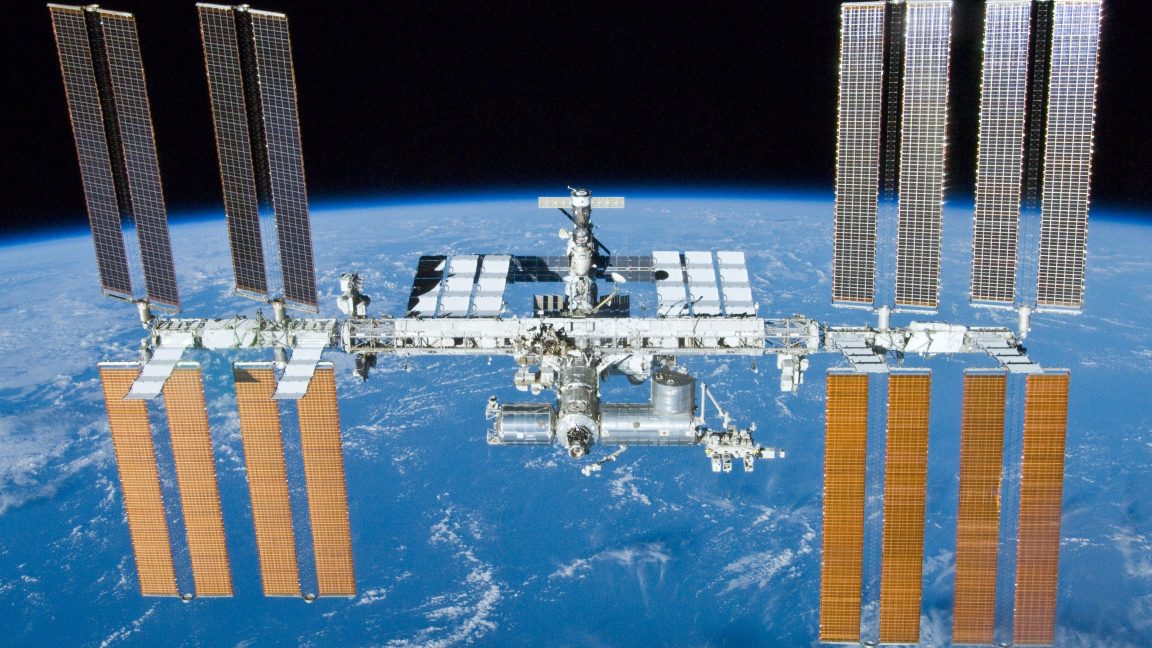
NASA confirmed on Thursday that the Russian segment of the International Space Station is once again leaking atmosphere into space. The leak was identified in the PrK module, a transfer tunnel attached to the Zvezda Service Module, following a slow pressure drop detected by Roscosmos on 1 May after the unloading of the Progress 95 cargo spacecraft.
According to NASA spokesperson Josh Finch, data analysis indicated a loss rate of approximately one pound per day. The agency and its Russian counterpart have opted to maintain the area at a reduced pressure with periodic repressurisations as required. While there are no immediate impacts on station operations or safety concerns for the astronauts aboard, the recurrence marks a significant setback after NASA had announced in January that the module had reached a stable configuration following inspections and sealant applications.
The PrK module has been the source of microscopic structural cracks for more than half a decade. Historically, Roscosmos has managed the issue by keeping the hatch to the transfer tunnel closed to the rest of the station. Internally, NASA has classified the risk associated with these leaks as a five on both likelihood and consequence within its 5x5 risk matrix, with discussions regarding the potential for catastrophic failure held in agency meetings.
The reemergence of the leak has intensified debate regarding the long-term viability of extending the ISS lifespan. While US officials are considering an extension to at least 2032, commercial space partners argue they will be ready to take over by 2030. Phil McAlister, NASA’s former director of commercial spaceflight, stated that the situation further confirms the wisdom of the current policy of retiring the ISS in 2030 in favour of more modern and cost-effective commercial platforms.
NASA’s decision-making is complicated by its desire to continue flying the station until private replacements are ready, a transition that has faced resistance from commercial companies wary of lifespan extensions. Some modules on the station have now been in space for nearly three decades, raising questions about whether continually extending operations is a viable strategy as the agency seeks to secure international partner support for any future extensions.
