Irish regulators launch probe into Meta over alleged 'dark patterns' in social media feeds
The Irish internet watchdog has opened two formal inquiries into Meta, alleging the tech giant is using design tactics to steer users away from non-algorithmic feeds on its platforms.
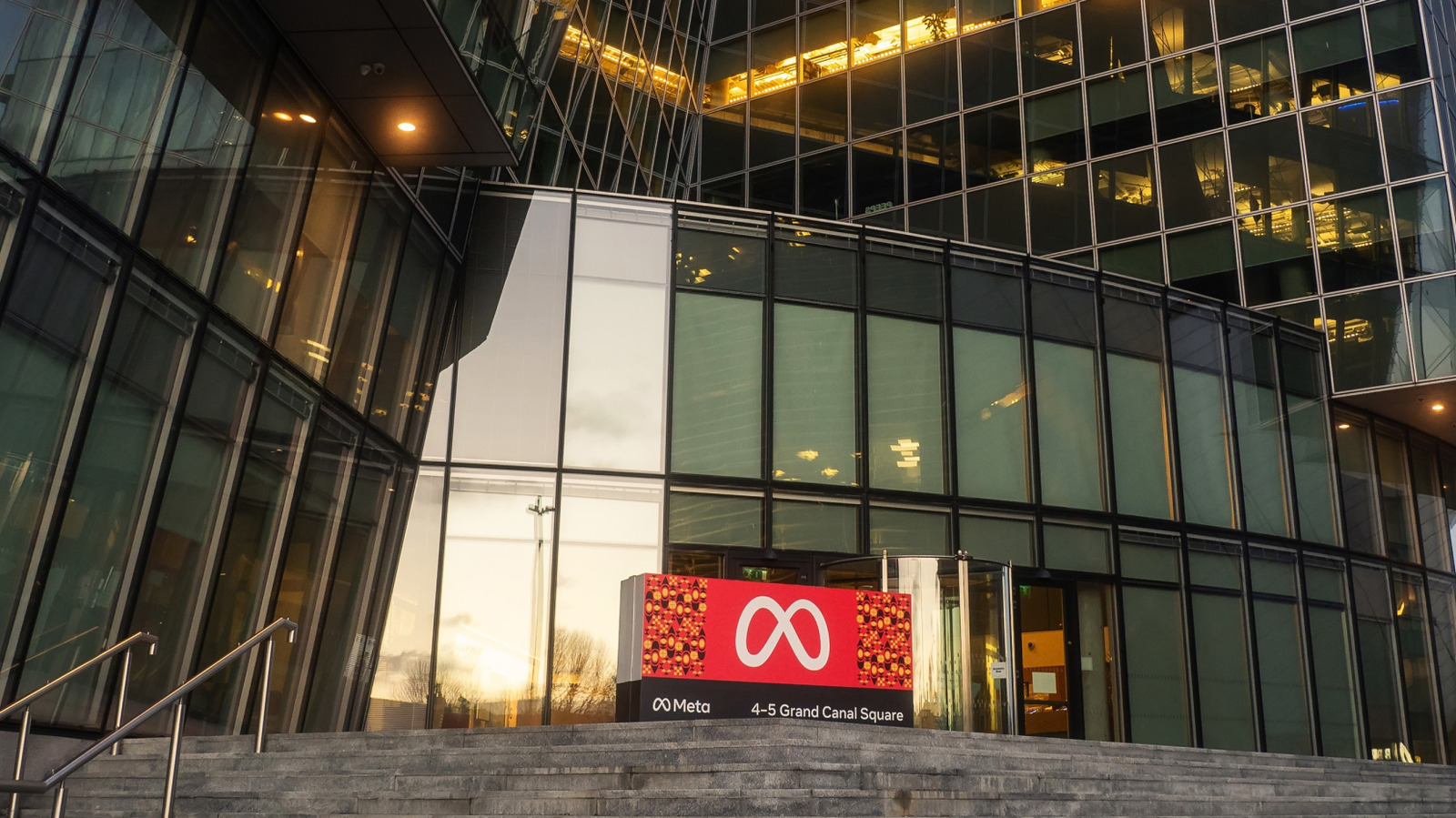
Coimisiún na Meán, Ireland's media regulator, has launched two formal investigations into Meta to determine if the company is employing 'dark patterns' to discourage users from accessing non-algorithmic feeds on Facebook and Instagram. The inquiry specifically assesses whether the social media giant is complying with the Digital Services Act (DSA), legislation that mandates large platforms must offer alternatives to targeted algorithmic feeds.
The regulator alleges that Meta may not be making chronological options, such as those for Stories and Reels, easily accessible. Coimisiún na Meán suggests these design choices could be intentionally manipulating users away from their legal rights, effectively steering them toward algorithmic content that relies on profiling. This investigation follows complaints received by the watchdog regarding these specific design practices.
Under the DSA, which came into effect in Europe in 2023, large platforms are required to provide users with alternatives to feeds driven by recommender systems. While Meta previously added chronological options for Stories and Reels in the European Union in response to earlier regulatory pressures, the current focus is on whether these features remain readily available to the public. The regulator highlighted concerns that recommender systems repeatedly push harmful content to users, particularly affecting children and young people.
Meta has firmly denied breaching the DSA. A spokesperson for the company stated that it disagrees with any suggestion of non-compliance and has introduced substantial changes to its processes and systems to meet regulatory obligations. The firm indicated it will engage with Coimisiún na Meán to share details of the work undertaken to ensure full adherence to the law.
Non-compliance with the Digital Services Act carries significant financial risk, with penalties potentially reaching up to six percent of a company's global annual revenue. However, the specific outcome of these two investigations remains pending, as no final determination on whether Meta has breached the DSA has yet been made. The extent to which Meta's current interface design constitutes a 'dark pattern' versus a legitimate user experience choice is yet to be legally defined by the regulator.
