Investopedia analysis finds part-time income significantly lowers retirement savings targets for single Americans
A single retiree needs approximately $698,800 nationwide to retire comfortably with a $20,000 annual part-time income, according to an Investopedia analysis of US government data.
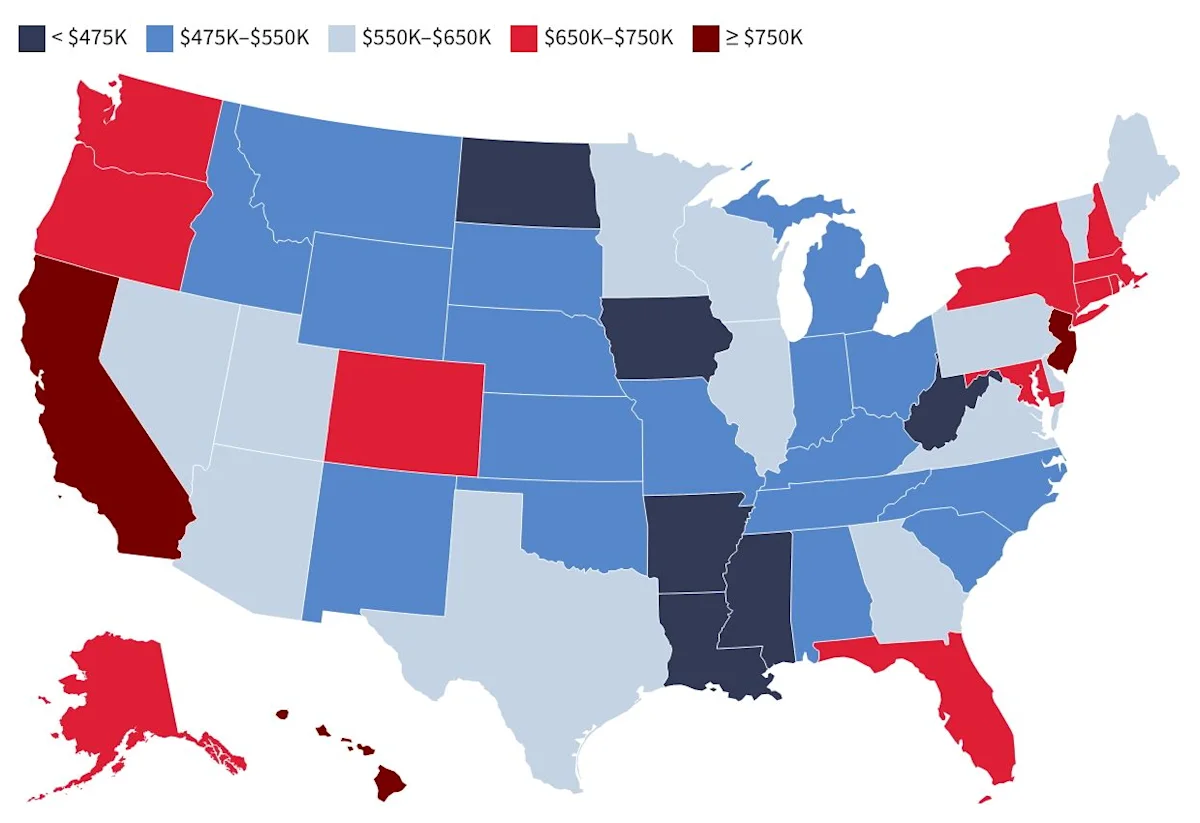
An Investopedia analysis utilising data from the US Bureau of Labor Statistics and government sources estimates that a single retiree requires approximately $698,800 in savings to retire comfortably across the United States, provided they maintain a part-time job earning $20,000 annually. The study, which applies the 4% withdrawal rule and accounts for average Social Security benefits, finds that earning $10,000 a year for the first decade of retirement reduces the required nest egg to below $1 million in all US states. Without part-time income, single retirees in California, Hawaii, and New Jersey would require more than $1 million to retire comfortably.
The analysis highlights that nearly 3 in 10 people aged 65 and older live alone, with the share climbing for decades; 43% of women aged 75 and older are on their own. A typical single retiree needs about $898,000 saved to retire comfortably on average nationwide, which is significantly lower than the $1.46 million Americans stated they need in a recent Northwestern Mutual survey. Median weekly pay for part-time workers is approximately $400 (roughly $20,000 a year), according to the US Bureau of Labor Statistics.
In 2026, the earnings limit before Social Security benefits are temporarily withheld for those under full retirement age is $24,480. If a retiree can earn up to that limit from part-time work for 10 years, the typical nest egg needed nationwide drops to about $653,000. Once a person reaches full retirement age, extra earnings of any amount will no longer reduce their Social Security benefits.
North Dakota has the lowest savings target at about $444,000 for a single retiree earning $20,000 a year part-time, with Arkansas and Mississippi close behind. In New Jersey, a couple with one person working part-time needs about $1.13 million, compared with $818,000 for a single retiree with the same part-time income.
The methodology assumes that "comfortable" spending includes travel and dining, based on the average spending of Americans 65 and older. Housing costs explain much of the state-by-state difference, as rent, taxes, and utilities vary far more than groceries or gas. The estimates are based on Investopedia's retirement affordability methodology, which combines state-level cost-of-living data, the national average Social Security benefit for a single person, and the 4% withdrawal rule to calculate approximate retirement savings needs.