Intel enters handheld PC market with Arc G3 silicon; Acer Predator Atlas 8 set for October release
The Arc G3 and Arc G3 Extreme processors, derived from Panther Lake architecture, will power the upcoming Acer Predator Atlas 8 and devices from partners including MSI, GPD, and OneXPlayer.
Intel has formally entered the custom silicon space for handheld personal computers with the announcement of the Arc G3 and Arc G3 Extreme gaming chips. This move signals a strategic expansion into the portable gaming segment, aiming to provide dedicated hardware solutions for manufacturers in a rapidly evolving market.
The Acer Predator Atlas 8 has been confirmed as one of the first devices to utilise this new silicon, with a planned launch in October. The device represents a significant step for Acer in the handheld space, potentially following the discontinuation of previous models such as the Nitro Blaze series.
Under the hood, the Arc G3 chips are reportedly based on Intel’s Panther Lake laptop architecture. While they feature two fewer CPU cores than their laptop counterparts, they retain a full complement of Xe3 GPU cores. The Arc G3 Extreme variant, utilising Arc B390 graphics, includes 12 Xe3 cores, while the standard Arc G3 uses Arc B370 graphics with 10 cores.
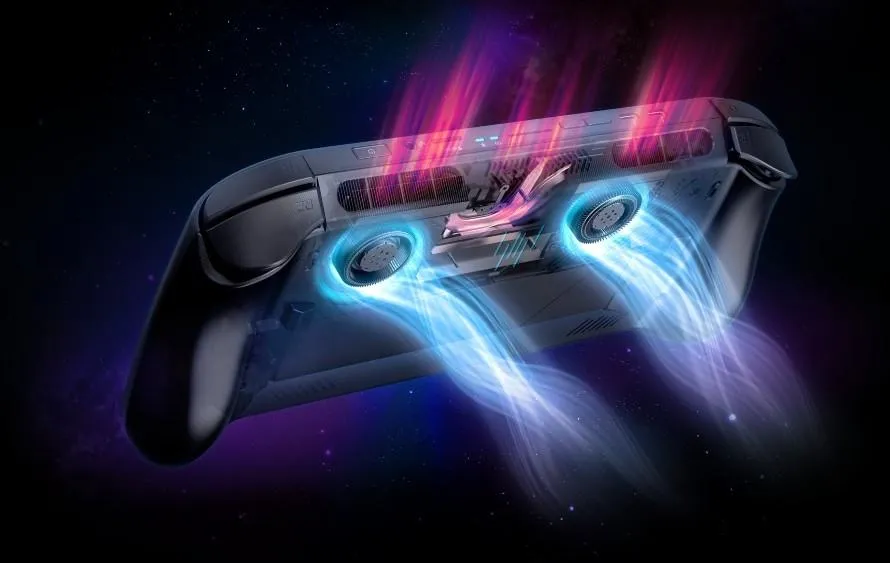
The Predator Atlas 8 will be available in at least two variants, both paired with 24GB of LPDDR5x RAM running at 7467 MT/s. To manage thermal output, Acer is employing a metal fan with 89 blades, claiming a 10 per cent increase in airflow compared to competitors. The device weighs approximately 810g with an 80Wh battery or 770g with a 60Wh battery.
Display specifications for the Atlas 8 include an 8-inch 1920x1200 IPS panel with a 16:10 aspect ratio, offering 500 nits of brightness and a variable refresh rate between 48Hz and 120Hz. The screen is protected by Gorilla Glass Victus with Corning’s DXC anti-glare coating and covers 100 per cent of the sRGB colour gamut.
Connectivity options are robust, featuring two Thunderbolt 4 ports that support 65W USB-C charging, Intel Wi-Fi 7, a UHS-II microSD card reader, and a 3.5mm headset jack. The system runs Windows 11 with Xbox Mode and supports up to a 1TB PCIe 4.0 SSD.
Intel has also identified MSI, GPD, and OneXPlayer as partners for the new handheld platform. Industry leaks suggest MSI is preparing an imminent release of the Claw 8 EX AI Plus, though retailer reports indicate it may carry a premium price point.
