Immunologist Daniel Davis Unveils Nanoscale Immune Dynamics at WIRED Health
Imperial College London researcher highlights individual genetic variation in immunity and warns against oversimplified health claims during presentation on 16 April 2026
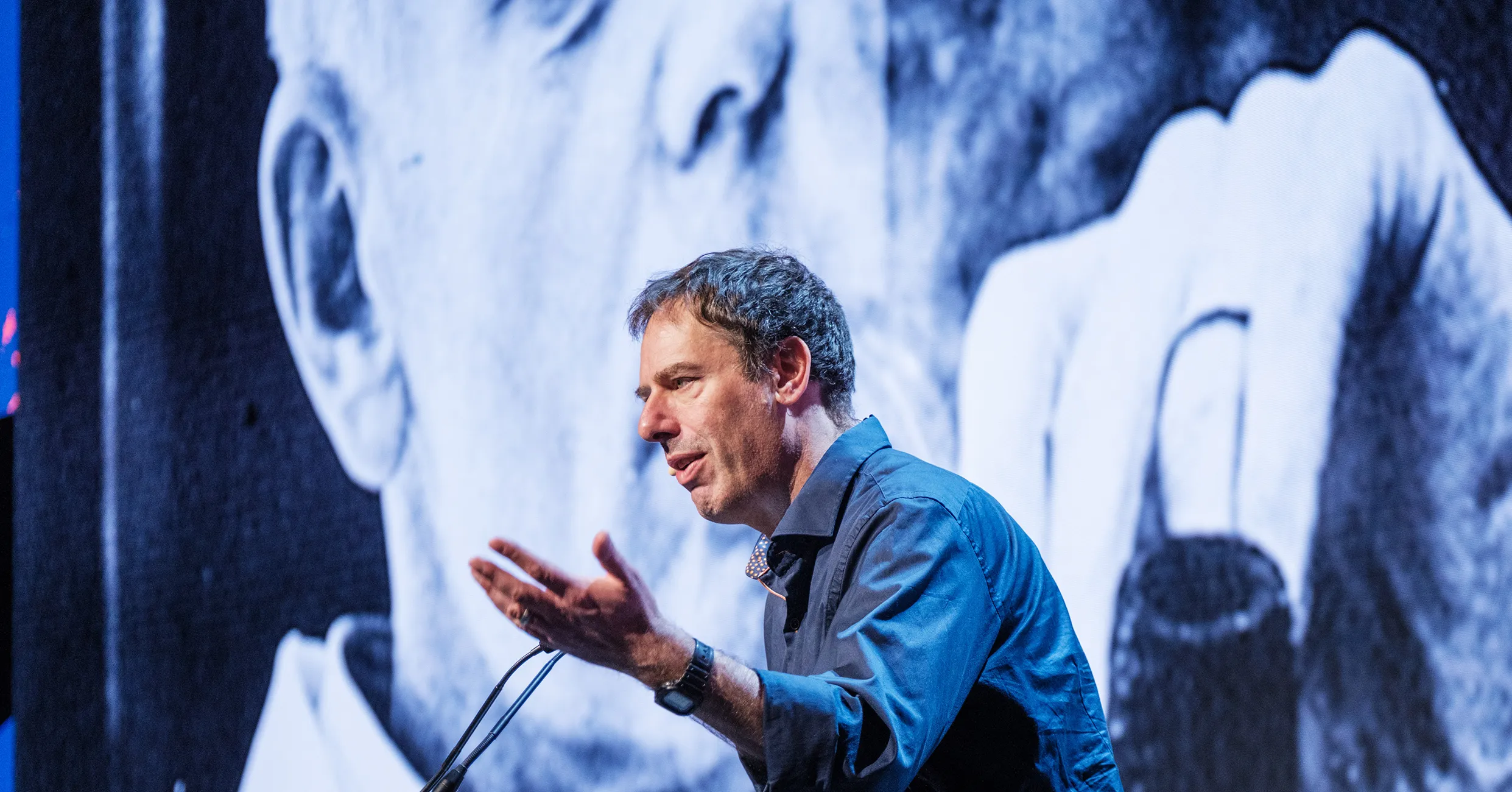
Immunologist Daniel Davis from Imperial College London detailed groundbreaking research at WIRED Health on 16 April 2026, revealing how advanced microscopy is finally allowing scientists to observe the immune system at a nanoscale level. This new perspective exposes previously invisible dynamics that were once beyond the reach of researchers, fundamentally reshaping the understanding of how immunity functions.
The presentation highlighted the discovery of the immunological synapse, a complex interface where numerous protein molecules trigger immune responses. Davis explained that modern microscopes have uncovered worlds that existed previously without hypothesis, specifically showing how small, nanoscale protrusions extend from immune cells during the critical initial contact phase. These structures enable the cell to distinguish between healthy and diseased tissue, a decision-making process that was formerly unobservable.
In a collaboration with Bristol Myers Squibb, Davis's team is now exploring reengineered antibodies designed to influence these immune responses rather than just observe them. The strategy involves using these Y-shaped molecules as a bridge between immune cells and cancer cells to bring key proteins closer together. This arrangement aims to send a potent signal that switches on the immune cell's ability to kill cancer, potentially improving how the body targets malignant cells.
However, Davis noted that this antibody research remains in the early stage, with multiple startups currently testing different molecular strategies without a confirmed target. While the concept suggests that arranging molecules on immune cell surfaces could enhance their effectiveness against cancer or harmful cells in autoimmune disease, the specific targets are still being determined through a process of trial and error.
Beyond the technological advances, Davis emphasised that immune health is inherently individual, driven by significant genetic variation among humans. He pointed out that the genes varying most between people are those linked to the immune system rather than physical appearance, a diversity that has evolved as a survival mechanism against various diseases. Consequently, individuals respond differently to the same infections, yet current medical practice cannot yet tailor treatments to these specific genetic profiles.
The immunologist also issued a caution against simplistic health advice, citing limited evidence for claims such as vitamin C preventing colds. He referenced Linus Pauling, who popularised the vitamin C theory but cherry-picked the evidence, and Hans Selye, the father of stress research, whose work was later revealed to have received funding from the tobacco industry. Davis urged the public to be wary of confident claims about immune health, regardless of the source or the accolades of the speaker.