Governor DeSantis Urges New Yorkers to Relocate to Florida Amid Tax Hike Dispute
During a recent interview, DeSantis characterised the plan as a "Marxist agenda" and highlighted Florida's lack of personal income tax as a superior alternative for those seeking to reduce their tax burden.
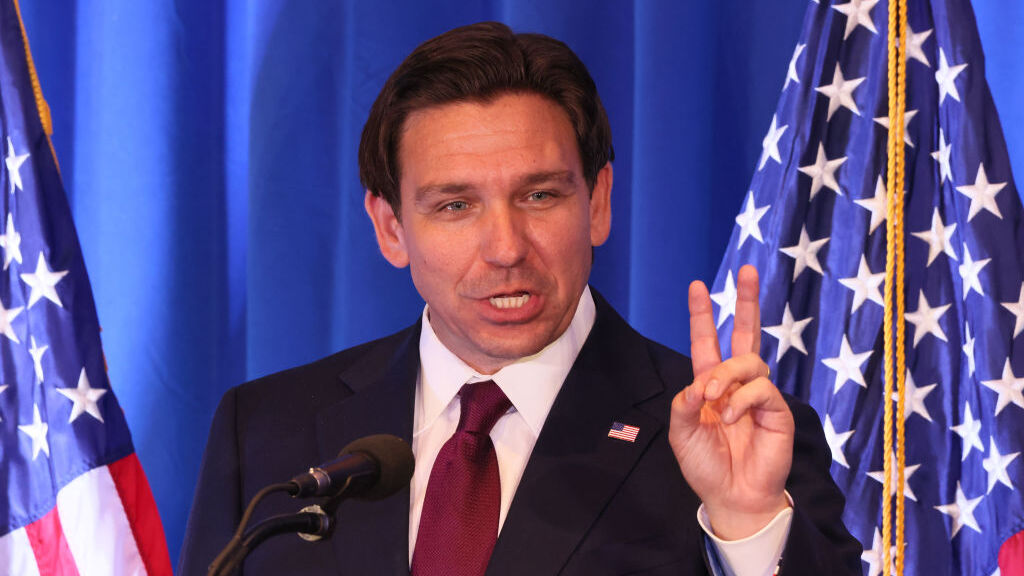
Florida Governor Ron DeSantis has publicly urged New Yorkers to "run from that area" and embrace the Sunshine State, following intense criticism of New York City Mayor Zohran Mamdani's proposed property tax agenda. Speaking during an interview with Sean Hannity, DeSantis argued that the city's affordability crisis would not be resolved by raising taxes on property owners, instead suggesting that wealthy residents and businesses might flee the state due to these policies.
The dispute centres on Mamdani's plan to raise property taxes by roughly 9.5 per cent to address a multibillion-dollar budget gap. DeSantis claims this move contradicts the stated goal of making housing more affordable, arguing that it would negatively impact essential workers such as police officers, firefighters, and nurses. He characterised the proposal as a "Marxist agenda" and described it as a "path of last resort" if Albany failed to agree to higher corporate and wealthy taxes.
DeSantis specifically targeted Mamdani's strategy to tax billionaire hedge fund manager Ken Griffin on his luxury pied-à-terre in New York City. DeSantis described the video campaign against the plan as an attempt to "rile people up," noting that targeting those who store wealth in New York City real estate but do not live there could drive capital out of the region. He positioned Florida as a preferable alternative for those seeking to reduce their tax burden, emphasising the state's status as a low-tax environment with no personal income tax.
The proposed tax hike would affect more than 3 million residential units and over 100,000 commercial buildings across the city. Mamdani had previously faced backlash in February for this proposal, which was framed as a necessary measure to close the budget gap if state-level negotiations on corporate taxation did not yield results. DeSantis highlighted the contrast between New York's high-tax environment and Florida's approach, noting that states like Texas and Florida have long marketed themselves as lower-tax alternatives to high-cost jurisdictions like New York.
While relocating to a lower-tax state can potentially help high earners keep more in their pockets, the broader context of wealth accumulation remains complex. High-net-worth individuals often utilise specific asset strategies, such as real estate investments and capital gains deferral, to legally minimise tax liabilities. DeSantis argues that the US tax system is not fully capturing wealth growth, a point illustrated by reports that some billionaires pay little or no income tax relative to their amassed fortunes.
As the debate continues, concerns remain that wealthy residents and businesses could leave New York City and take their money with them. DeSantis remains clear about Florida's advantage, stating that the state is proud of its low-tax status and offers a business-friendly regulatory environment. The situation underscores the ongoing tension between state fiscal needs and the retention of capital in high-cost urban centres.