GoPro enters wireless audio market with first dedicated mic system
The 2026 release aims to close a long-standing gap in the action camera ecosystem, though software quirks and missing features leave it trailing some competitors.
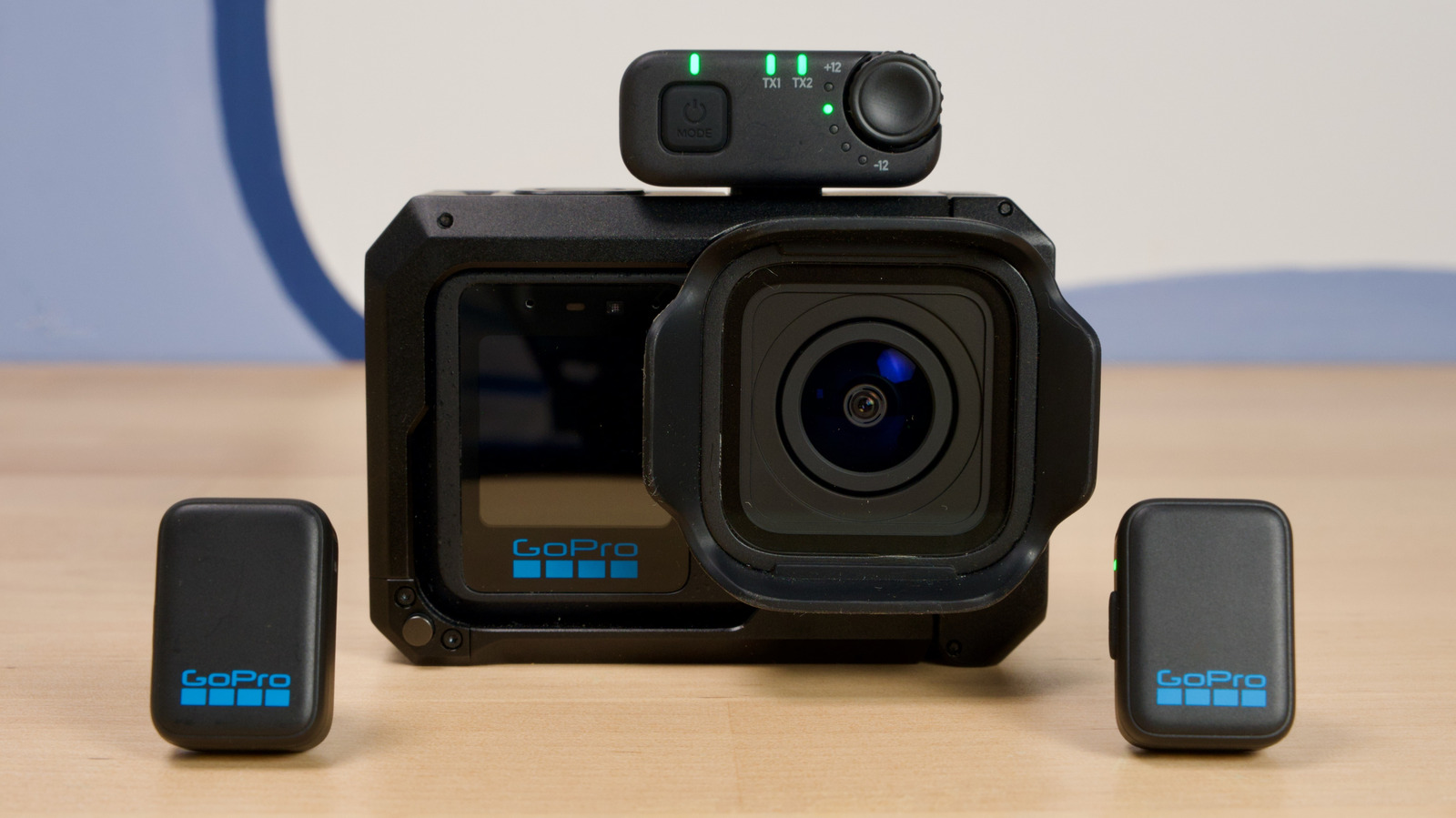
GoPro has launched its first dedicated wireless microphone system in 2026, marking a significant expansion into the consumer audio market. The release addresses years of user demand for integrated wireless audio solutions tailored specifically to the company’s camera ecosystem. The product line includes a $159 two-mic bundle, an $80 USB-only kit, and a $50 line transmitter kit, positioning the brand to compete directly with established players such as DJI, Rode, and Insta360.
The two-mic bundle comprises two wireless transmitters and two distinct receivers: a 3.5mm unit with headphone monitoring for DSLR and mirrorless cameras, and a compact USB-C receiver designed for phones and PCs. The system is housed in a charging case that provides approximately 20 hours of total use, with each microphone lasting around six hours per charge. GoPro claims the package is more compact than rivals like the DJI Mic Mini and Insta360 Mic Pro, offering a convenience advantage over competitors whose cases do not accommodate both receivers.
A key selling point is the direct Bluetooth connectivity to GoPro Hero 12 cameras and newer models, allowing users to operate without a physical receiver. However, this method limits users to a single microphone at a time. The USB-C receiver is engineered to fit into the recessed USB port of GoPro cameras without requiring the removal of the protective door, ensuring a secure and practical connection for mobile recording.
Audio quality is generally praised, particularly when paired with GoPro hardware, where it outperforms the built-in media mod. The system effectively manages background noise when using physical receivers, though noise reduction in Bluetooth mode introduces noticeable audio artifacting. The microphones themselves are lightweight at 10g, featuring magnets and clips for discreet attachment to clothing, making them suitable for vlogging and talking-head content.
Despite the hardware strengths, the system faces criticism for software limitations. Users cannot select mono mode via the USB dongle, requiring manual conversion in editing software, and the camera interface displays only one VU meter even when both microphones are active. The absence of on-board recording and advanced features like 32-bit float audio places the system in stiff competition with rivals that offer more robust professional tools. These software flaws are considered fixable via future firmware updates, but the current experience adds friction for users seeking a seamless workflow.