Google pledges to replenish more water than it uses at data centers by 2030
With 165 projects across 97 watersheds, Google aims to replenish 19 billion gallons annually by 2030, doubling its 2024 usage levels through $500 million in infrastructure investment and strategic cooling technology shifts.
Google has significantly expanded its water stewardship commitments, pledging to replenish more water than it consumes at its data centres by 2030. The company currently operates 165 stewardship projects across 97 watersheds, which are expected to replenish 19 billion gallons of water annually by that target date. This volume exceeds double Google’s water consumption for 2024, a metric the company states will allow for increased operational water use in the coming years while still meeting its replenishment goals.
The initiative comes in response to growing local unrest regarding data centre water usage, particularly in the context of artificial intelligence services. Public sentiment, highlighted by crowdsourced mapping tools, indicates significant concern among residents living near these facilities about the impact on local water supplies. A mid-size data centre uses around 300,000 gallons of water a day, a volume equivalent to the usage of 1,000 US households. Google notes that its US data centres collectively use one percent of the water that Americans use on their lawns annually, but community opposition persists due to the perceived necessity of AI infrastructure.
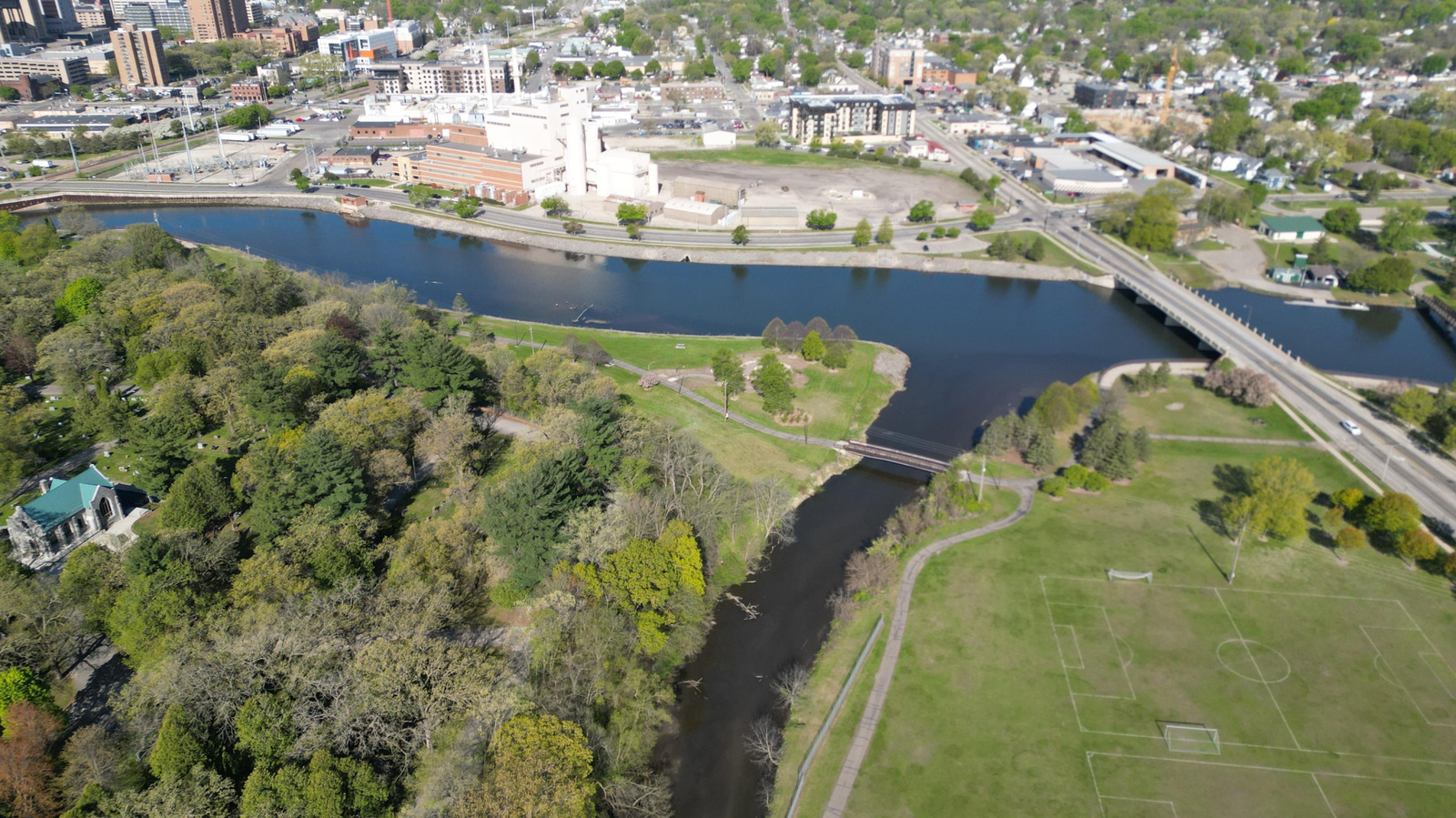
To address these concerns and support local ecosystems, Google is allocating $17 million for new projects in Georgia, Iowa, Michigan, Minnesota, Missouri, Nebraska, and Texas. Specific investments include enhancing wetlands at the Flint River Wildlife Management Area in Georgia and converting 5,000 acres into perennial hay and pasture systems in Iowa. Additional projects involve treating stormwater in Michigan, establishing a 1-mile corridor along the Zumbro River in Minnesota, and restoring 98 acres of wetland adjacent to the Blue River in Missouri.
Beyond direct replenishment, the company has pledged a $500 million investment in public water infrastructure, including updates to public water, wastewater, and water reuse systems. Google has also committed to using air cooling or reclaimed water sources in locations where water supplies are assessed as being at high risk. This strategic shift away from traditional water cooling, which is generally more energy-efficient, aims to mitigate scarcity risks in vulnerable regions.
In February, Google reported building data centres in Texas that utilise advanced air-cooling technology to limit water consumption. This aligns with the company’s broader strategy to scale up the use of reclaimed and recycled water, such as treated wastewater from sewers. The move reflects an operational adjustment to balance the energy demands of AI services with increasing environmental scrutiny and community relations risks.
