Google Launches Selfie Video as Account Recovery 'Spare Key'
The opt-in feature uses liveness detection to prevent deepfake attacks and allows users to control whether their biometric data trains facial recognition models.
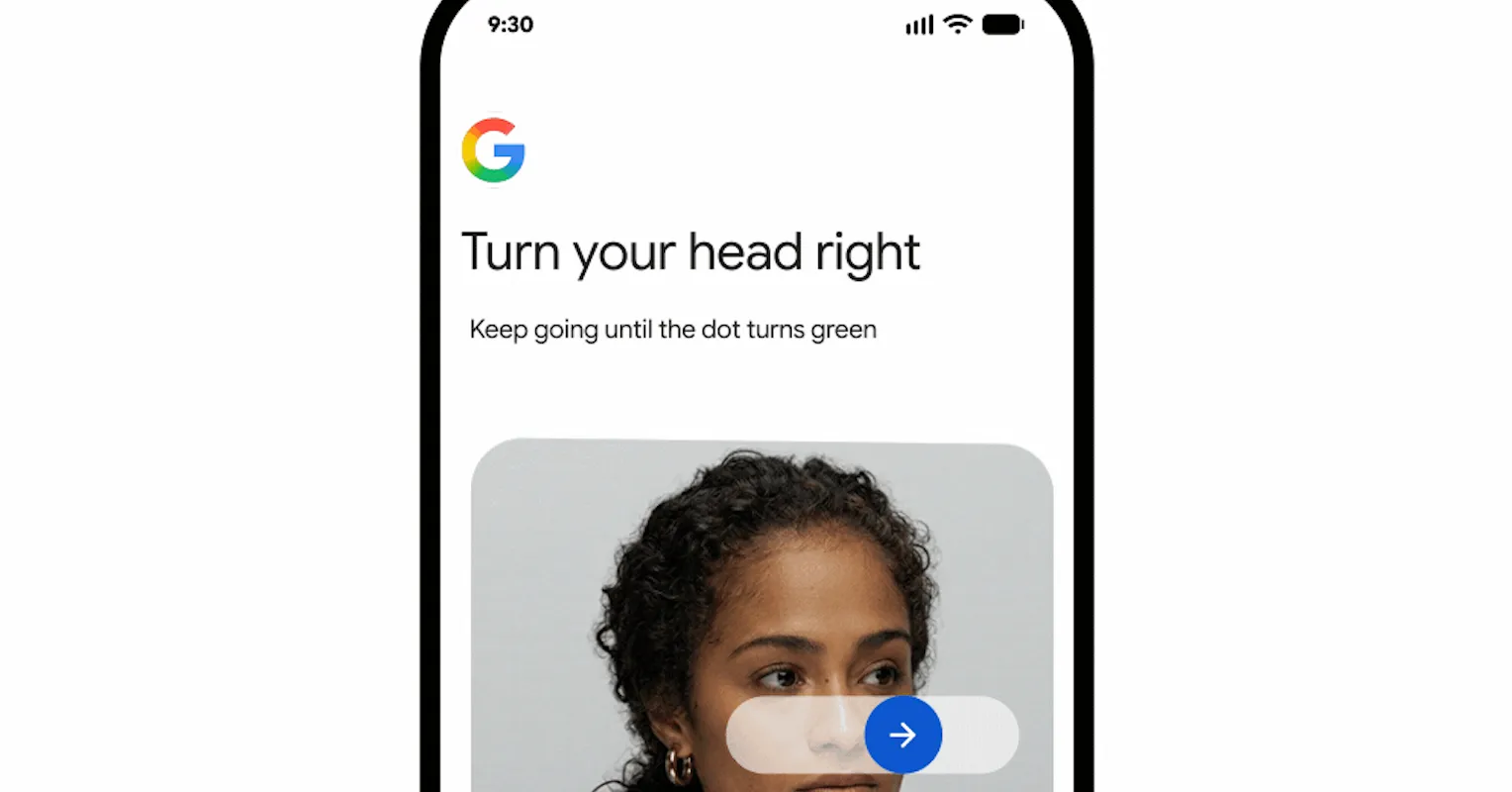
Google has introduced a new account recovery mechanism that permits users to unlock their accounts using a recorded selfie video. Described by the company as a "spare key," the feature is designed for scenarios where individuals are locked out and lack access to their primary devices or passkeys. The rollout is currently in progress globally for most accounts.
The setup process takes less than five minutes and is accessed via the 'Security & sign-in' tab in Google Account settings. Users must follow specific prompts during recording, such as looking at the camera, lifting their chin slowly, and staring at the ceiling. Google employs liveness detection technology to safeguard against deepfake attacks and compares live recordings against encrypted reference videos stored in the cloud to verify identity.
The feature is opt-in, and users can choose whether to allow their selfie video data to be used for training facial recognition and age estimation models. Users can delete the saved selfie video at any time through their account settings. The feature cannot be added while a user is already locked out or in the middle of an account recovery process.
Google product manager Claire Forszt stated that passing the selfie video alone may not always be sufficient if the system suspects risky activity, with overall risk evaluated based on multiple factors. Additional sign-in options include using recovery contacts and backup codes.
This development follows a period of heightened scrutiny regarding biometric data and generative AI. Meta faced significant backlash in July when it automatically opted Instagram users into having their images available for AI remixes, leading to the feature's deletion three days after launch. Google previously launched an AI avatar tool in its Gemini app earlier this year, allowing users to create digital clones of their likeness.
The exact timeline for the completion of the global rollout is not specified. It is unclear how many users currently have access to the feature, as availability depends on the ongoing global rollout. The specific nature of the "additional purposes" for which selfie data might be used, beyond facial recognition and age estimation, is not fully defined in current release details.