Google launches Fitbit Air and consolidates health data into new Google Health app
Google's first hardware release in four years aims to simplify personal health tracking with an affordable device and an AI-powered coaching tool, though iOS compatibility remains limited at launch.
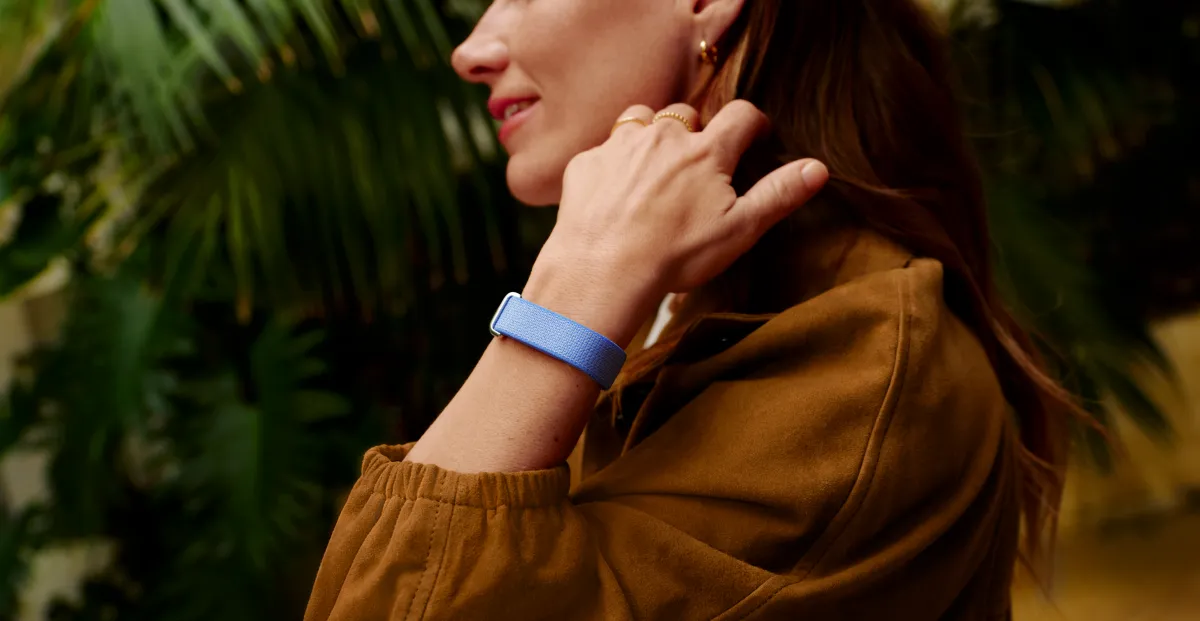
Google has officially unveiled the Fitbit Air, marking its first hardware launch in four years since the acquisition of the fitness company in 2021. The new device is a screenless, modular tracker priced at $99, designed to offer a simpler alternative to bulky smartwatches. It features a metallic fabric clasp and allows users to swap between three interchangeable bands, weighing just 12 grams with the band attached.
Simultaneously, the company is rebranding the Fitbit app and Android's Health Connect app into a unified Google Health application, which will launch on 19 May. This consolidation aims to address the fragmented nature of the current health data market by creating a platform-agnostic ecosystem. The Fitbit Premium subscription service will also be rebranded as Google Health Premium, maintaining its existing pricing structure.
The Fitbit Air is equipped with optical heart rate, blood oxygen, and skin temperature sensors to support sleep tracking. It offers a seven-day battery life and includes a feature that provides one day of usage from a five-minute charge. The device is water-resistant up to 50 metres and is compatible with Pixel Watches, though it is also designed to work with future third-party wearables.
To complement the hardware, Google is exiting beta for its AI-powered Health Coach, rolling it out to the public. The tool allows users to chat about medical records, log meals via a phone camera, and analyse relationships between various health metrics. Google states that Fitbit data will remain siloed from its advertising business, with AI model training set to opt-in and off by default to address privacy concerns.
While the new Google Health app will initially support Pixel and Fitbit devices, the company plans to expand compatibility to iOS and third-party wearables such as Garmin, Whoop, and Oura in the future. This strategy follows a public preview beta that began in October, which involved nearly 500,000 users who provided over a million pieces of feedback to shape the final product.
The launch follows a period of instability for the brand, including widespread outages and the departure of previous leadership in early 2024. Rishi Chandra, Google's vice president of Health and Home, noted that the rebrand is necessary to move beyond specific hardware and become a universal health coach for users of any device, including those using Apple products.
