Gold Retreats as Diplomatic Stalemate Fuels Oil and Inflation Fears
Spot gold fell 1% during Asian trading as rising crude prices and a firmer currency dampened demand for non-yielding assets.
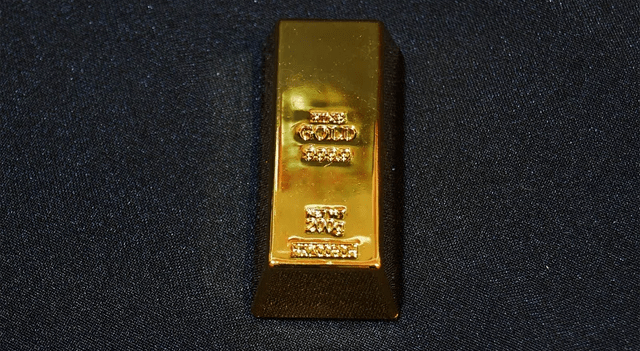
Spot gold prices retreated during Asian trading on Monday, declining 1% to settle at $4,669.82 an ounce. The move lower followed a rejection of a US-backed peace proposal between Washington and Tehran, as President Donald Trump dismissed Iran's counteroffer as totally unacceptable. This diplomatic impasse has reignited concerns regarding global energy security, directly impacting the broader commodities market.
The catalyst for the decline in bullion was the widening gap between US demands and Iran's response. Reports indicate that Tehran refused to dismantle its nuclear infrastructure or halt uranium enrichment for a period of 20 years. In return, the US insisted on the removal of these capabilities, creating a stalemate that left the Strait of Hormuz effectively closed to commercial shipping. This closure triggered a surge in oil prices of nearly 5% during early trading, intensifying fears that inflation could remain elevated worldwide.
Concurrently, the US dollar strengthened during the session, rising 0.2% as the US Dollar Index gained ground. This appreciation was reinforced by robust US payroll figures released earlier in the week, which bolstered market expectations that the Federal Reserve may delay anticipated interest rate cuts. A firmer currency makes gold more expensive for investors using other currencies, thereby dampening demand for the non-yielding asset.
Market participants are now shifting their focus to upcoming US inflation data, which will provide further clarity on the central bank's policy trajectory. Attention is also turning to President Trump's scheduled visit to China later this week, where discussions with President Xi Jinping are expected to cover Iran, trade relations, and global energy security. Among other precious metals, silver managed to gain 0.2% while platinum dropped 1.4%, reflecting the divergent reactions within the broader metals complex.
Separately, developments in Washington have cleared a significant legal obstacle for the confirmation of Kevin Warsh, President Trump's nominee for head of the Federal Reserve. The US Justice Department has dropped its criminal probe into former Chair Jerome Powell regarding renovation cost overruns at the Fed's headquarters. US Attorney Jeanine Pirro transferred the matter to the Federal Reserve's Office of the Inspector General, removing a hurdle that had previously been cited by Senator Thom Tillis.
With the Justice Department inquiry concluded, the path is now open for the confirmation of the new central bank leadership. This structural change within the Federal Reserve adds another layer of complexity to the macroeconomic landscape, as investors weigh the implications of a new chair against the immediate pressures of rising oil prices and a strengthening dollar.