GM expands grid support with V2G rollout and sodium-ion storage partnership
General Motors announces vehicle-to-grid capabilities for existing electric vehicles and a new energy storage battery chemistry with Peak Energy, aiming to stabilise the national grid.
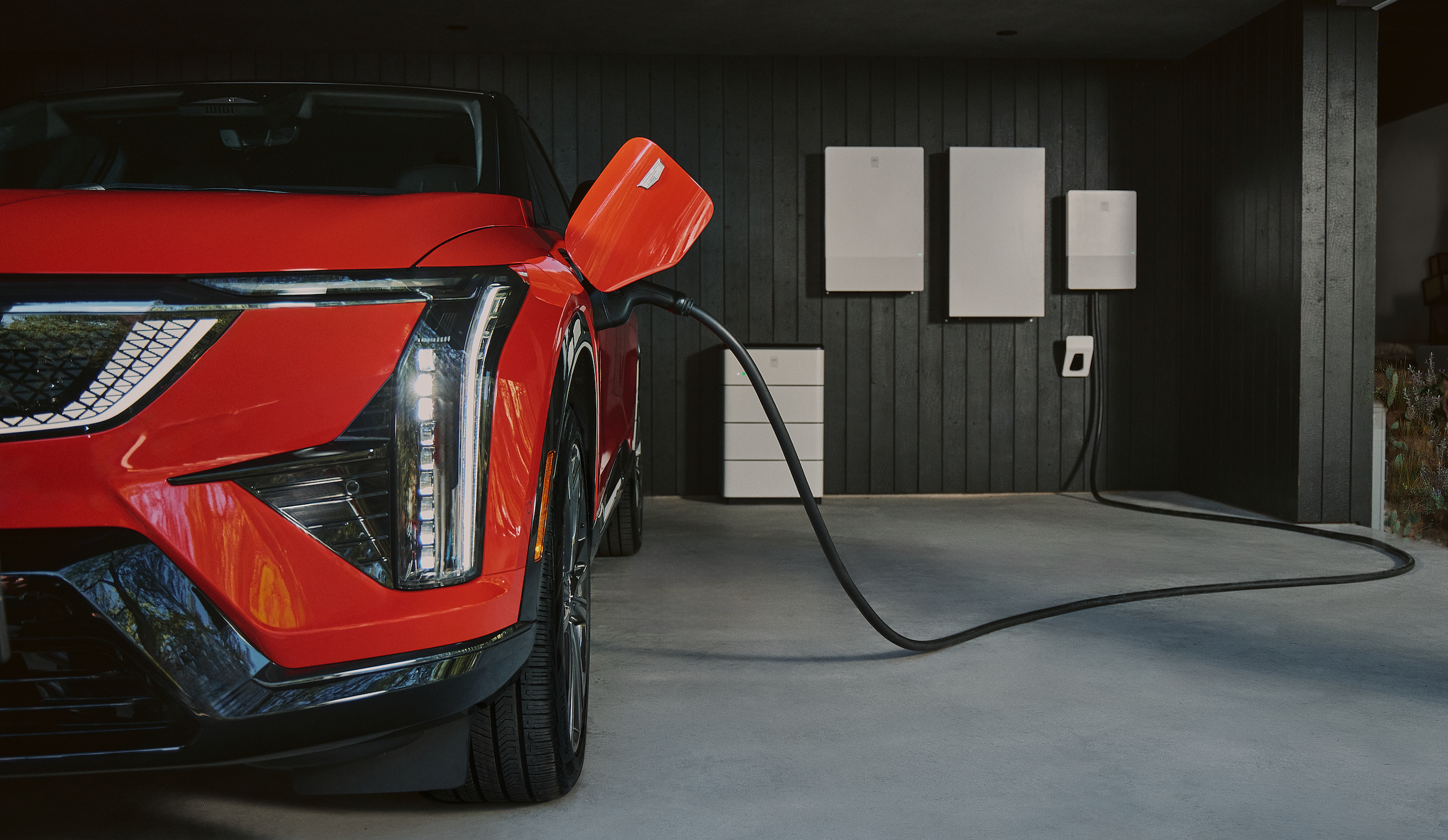
General Motors has expanded its GM Energy portfolio to include vehicle-to-grid (V2G) charging capabilities, a move designed to mitigate pressure on the national electric grid driven by surging electricity demand from artificial intelligence data centres. The automaker confirmed it currently has more than 250,000 V2G-capable electric vehicles on the road, with the new functionality adding to existing vehicle-to-home features. The grid integration initiative launches with utility partners PG&E in California and DTE Energy in Michigan.
PG&E and GM have set a target of 52,000 V2G-capable vehicles within the utility’s operating area by 2030. According to company statements, this capacity could power every home in San Francisco for half a day. PG&E chief executive Patty Poppe highlighted the financial implications for consumers, stating that adding one gigawatt of capacity to the grid could lower customer rates by 1 per cent. The utility is also utilising AI for simultaneous engineering to optimise grid placement and utilisation, aiming to reduce infrastructure costs.
For stationary energy storage, GM announced a partnership with Peak Energy to develop sodium-ion batteries specifically for grid energy storage systems. The new sodium pyrophosphate (NFPP) batteries are designed to operate within a temperature range of -40 °C to 60 °C and target 10,000 to 20,000 cycles. GM vice president of battery and sustainability Kurt Kelty stated the batteries are expected to be 20 per cent less expensive to maintain than currently available energy storage solutions. Production of GM’s specific sodium-ion battery chemistry is expected to begin in 2028.
GM also updated its partnership with Redwood Materials to deploy repurposed battery packs at a Michigan facility. The deployment will generate between 1.5 and 7.2 megawatt-hours of energy, with an expected lifetime utility saving of $3 million. The two companies are collaborating on recovering recycled materials from manufacturing scrap and end-of-life electric vehicle packs. GM did not disclose the manufacturing cost or energy density targets for its new sodium-ion batteries.
GM Energy vice president Wade Shaffer outlined a long-term vision for a vehicle-to-retail model, where electric vehicles could sell electricity to retailers in exchange for discounts. While interoperability standards such as ISO 15118-20 were updated in 2025 to support native V2G, widespread adoption requires coordinated effort across automakers, utilities, and regulators. For now, GM is focusing on deploying bi-directional charging solutions to support grid stability amid rising energy demand.
