Global broadcast infrastructure and media rights define 2026 FIFA World Cup rollout
With an estimated 5 billion viewers expected, the 2026 FIFA Men's World Cup is utilising a multi-platform distribution strategy across the United States, Canada, and Mexico, blending traditional broadcast with digital streaming.
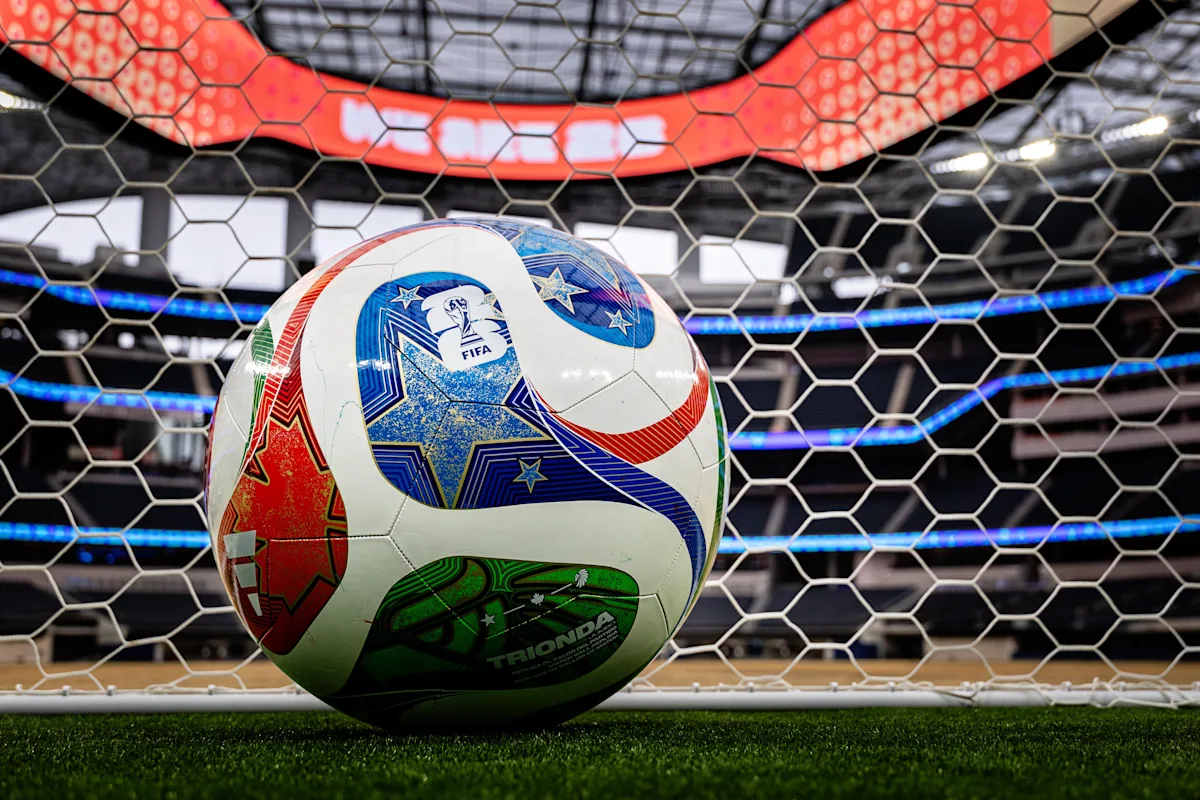
The 2026 FIFA Men's World Cup is currently underway across the United States, Canada, and Mexico, featuring a comprehensive schedule of 104 matches. The tournament, which commenced on June 11 with a match between Mexico and South Africa in Mexico City, is being managed by a joint broadcasting agreement between FOX and NBCUniversal. These entities hold exclusive rights for the 78 games scheduled in the United States, as well as 13 matches each in Canada and Mexico.
U.S. team captain Tim Ream characterised the scale of the event to CBS News, describing the tournament as akin to "a Super Bowl every single day for five weeks." He noted that the magnitude of the event is reflected in the estimated 5 billion viewers expected to tune in globally. This sentiment underscores the logistical and media infrastructure required to support such a large-scale international sporting event.
The broadcasting strategy involves a significant primetime allocation, with a record 40 matches, representing more than a third of the tournament, airing during peak hours on FOX. For Spanish-language audiences, every match will be broadcast on NBC-owned networks Telemundo and Universo. This dual-language approach ensures broad demographic coverage across the three host nations.
Access to the tournament is structured through both free-to-air and subscription models. In the United States, 70 of the 104 matches can be viewed for free via TV antennas or smart TV access to the FOX network. Similarly, 92 matches are available for free in Spanish on Telemundo. The remaining matches are distributed across cable channels, including Fox Sports 1 and Universo.
Digital distribution is managed through the FOX Sports app, known as FOX One, which streams all matches on-demand. Peacock holds exclusive Spanish-language streaming rights, while ad-supported streaming is available on Tubi for select matches, including the opening games. Subscription-based streaming services such as YouTube TV, Fubo, and Hulu + Live TV also provide comprehensive coverage.
On the pitch, the U.S. national team began their campaign on June 12 with a 4-1 victory over Paraguay at SoFi Stadium in Inglewood, California. The team is competing in Group D alongside Australia and Turkey. Their next fixture is scheduled for Friday, June 19, against Australia at Lumen Field in Seattle, followed by a final group match against Turkey on June 25 at SoFi Stadium.
The group stage is set to conclude on June 27, after which the tournament will transition to the knockout stage. The knockout phase features a series of matches across various North American cities, with the final scheduled to take place at MetLife Stadium in New Jersey. The structure of the knockout stage includes matches between group winners and runners-up, as well as teams advancing from third place in their groups.
While the tournament draws significant media attention, domestic engagement metrics present a complex picture. Recent polls indicate that public excitement in the United States remains relatively low compared to concurrent sporting events such as the NBA Finals, with half of Americans expressing indifference to the World Cup. This contrasts with the global viewership estimates and the extensive media rights investment.
The tournament's broadcast schedule includes matches across all three host nations, with games taking place in cities such as Los Angeles, Toronto, Mexico City, and Vancouver. The distribution of matches ensures that local audiences have access to their national teams, while the primetime slots on FOX aim to capture broader national interest.
As the tournament progresses, the focus will shift from group stage dynamics to the high-stakes knockout matches. The infrastructure established by FOX and NBCUniversal, combined with the extensive free-to-air options, aims to maximise viewership across diverse demographics and platforms. The success of this media strategy will be closely monitored as the tournament moves into its final phases.