General Motors Unveils Universal Charging Interface and Vehicle-to-Grid Expansion
GM announces compatibility with major charging networks and expands vehicle-to-grid capabilities, though significant hardware costs and utility dependencies remain for residential users.
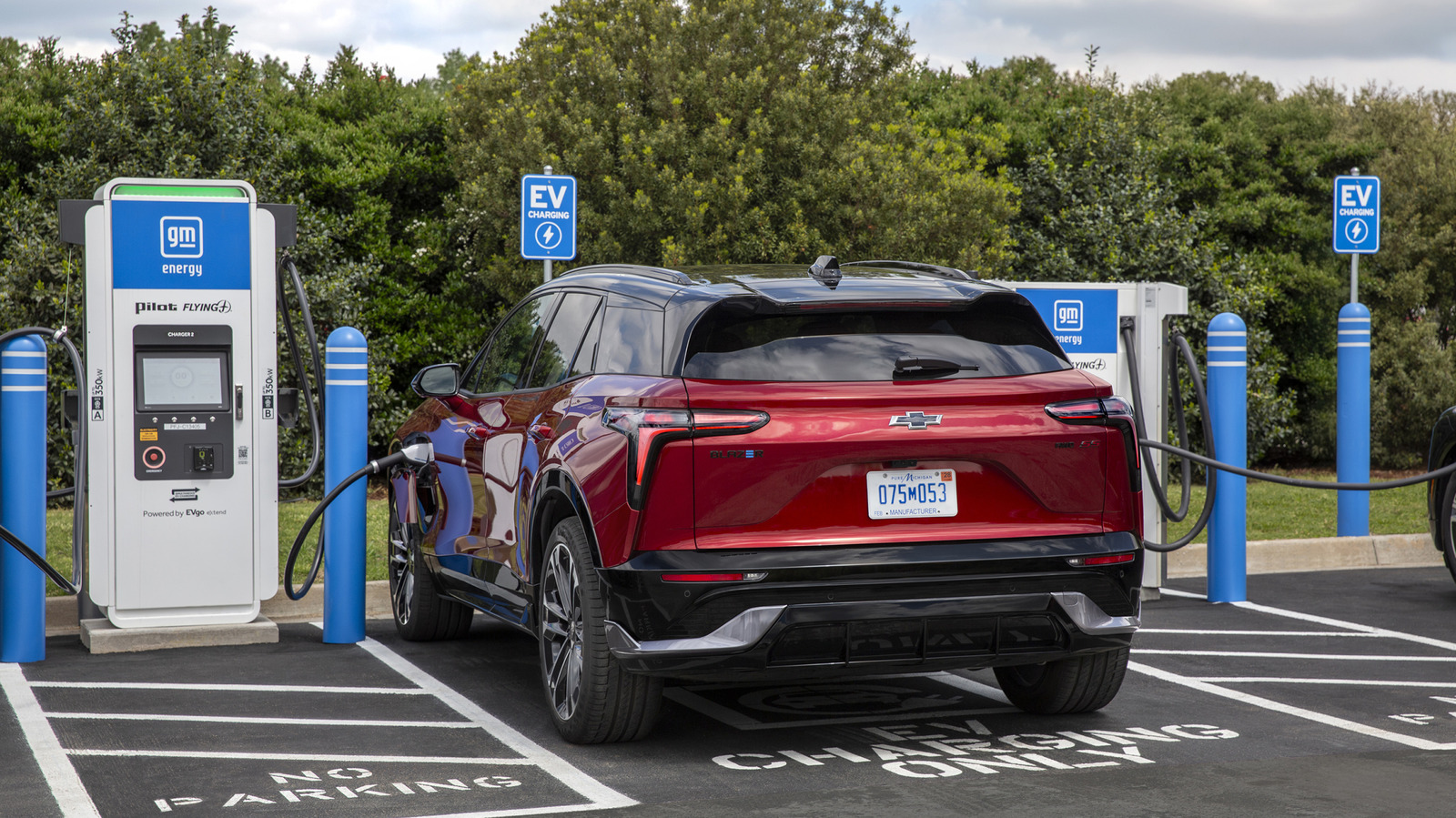
General Motors has announced the launch of Energy Pass, a universal interface designed to allow its electric vehicles to access public charging stations from multiple third-party networks. The new system, integrated into the company’s mobile applications, enables owners to locate, initiate, and pay for charging sessions across Tesla, Electrify America, and IONNA networks. Support for EVgo and ChargePoint is planned to be added in the near future, although the automaker has not provided a specific timeline for these additions.
The initiative addresses a persistent barrier to electric vehicle adoption: the fragmentation of public charging infrastructure. By consolidating access to major networks into a single interface, GM aims to simplify the user experience and increase the percentage of the existing US charging network accessible to its customers. This development follows earlier software updates that activated vehicle-to-grid capabilities for approximately 250,000 electric vehicles in the United States.
Concurrently, the company has released a firmware update enabling full vehicle-to-grid functionality for its GM Energy vehicle-to-home systems. This update allows compatible electric vehicles to supply power back to the electrical grid or serve as backup generators during outages. The technology requires vehicles that support bidirectional charging and a dedicated home infrastructure setup, targeting a more niche segment of the market compared to standard charging solutions.
Implementation of the vehicle-to-grid system involves significant upfront investment for homeowners. A dedicated hardware system, which requires professional installation, is estimated to cost around $20,000. GM Energy vice president Wade Scheffer has stated that customers may recoup these costs after five years of use, contingent upon local utility programs offering payment for grid support services. The financial viability of this investment remains dependent on the availability and terms of regional utility incentives.
Sterling Anderson, GM’s chief product officer, has described the vehicle-to-grid strategy as a method to turn every GM electric vehicle into a contributor to grid stability. While the technical capacity for bidirectional charging is now active for a quarter-million vehicles, widespread adoption of the residential energy model continues to depend on the resolution of infrastructure costs and the standardisation of utility compensation programs.
