FSU’s Desir named ACC player to watch for 2026 season
Mandrell Desir recorded 6.5 sacks as a rookie, but program investment and defensive coordinator Tony White’s scheme demand further development in run defence.
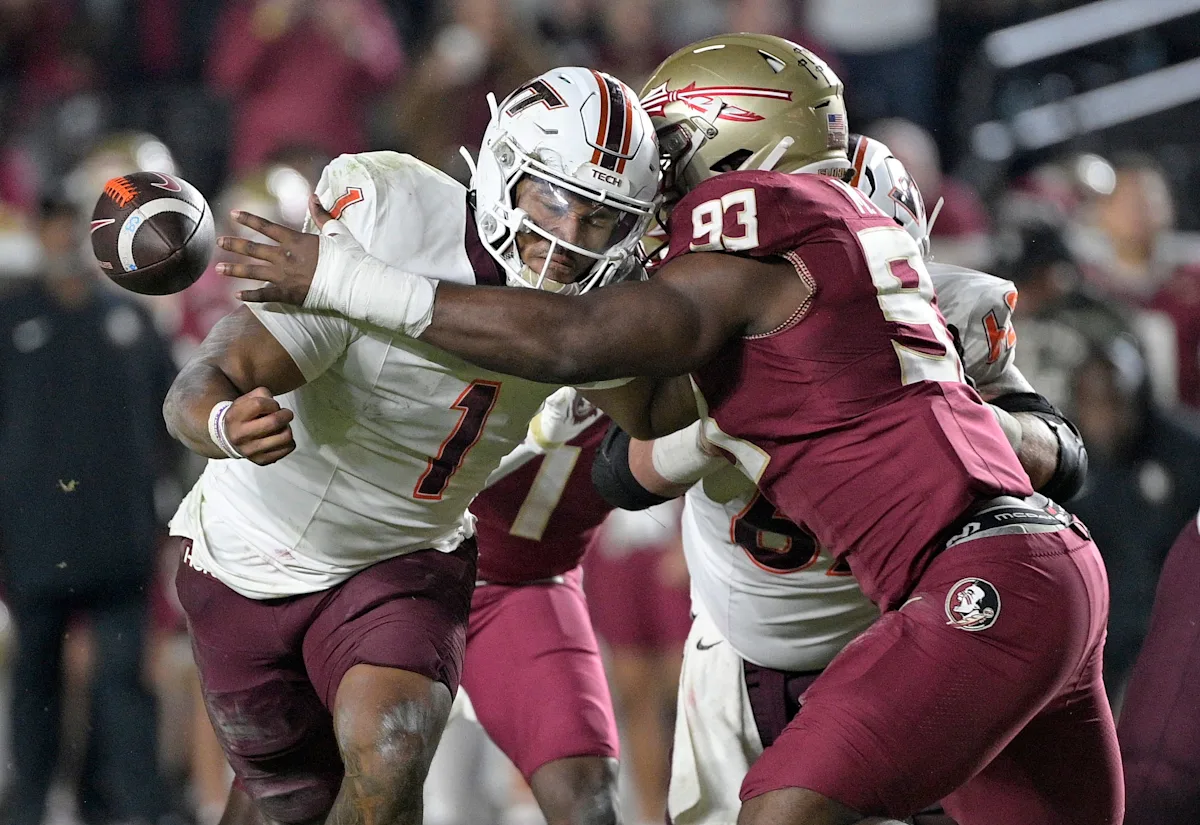
Florida State University defensive lineman Mandrell Desir has been identified as a key player to monitor in the Atlantic Coast Conference for the 2026 season. The designation was made by Rodd Baxley of the Fayetteville Observer, following a standout freshman campaign that saw Desir record 6.5 sacks. This total ranks as the third-highest for an FSU freshman in program history.
Desir’s emergence coincided with a period of defensive transition under new leadership. Defensive coordinator Tony White implemented a 3-3-5 scheme in 2025, which contributed to overall improvements in the Seminoles’ defensive performance. Desir played in all 12 games last season, recording his first sack by the third game and achieving at least a half-sack in six of the final seven contests.
The recognition comes despite earlier uncertainty regarding Desir’s tenure at the university. He and his twin brother initially entered the transfer portal but ultimately decided to return to Florida State. Their decision to stay has allowed the program to invest significant resources in Desir’s development, raising the stakes for his sophomore season.
On the field, Desir’s impact was immediate and statistically significant. He led the Seminoles in sacks and earned ACC Honorable Mention honours. He was also the runner-up for ACC Defensive Rookie of the Year, finishing with 7.5 tackles for loss. These metrics underscore his effectiveness as a pass rusher, a trait that has drawn national attention.
However, the path to elite status requires addressing specific vulnerabilities. Baxley noted that Desir must improve his run defence to meet the heightened expectations associated with his performance. If he can elevate his run defence while continuing to progress as a pass rusher, he is positioned to become one of the more impactful defensive linemen in the country. The next phase of his development is critical for the Seminoles’ defensive structure in 2026.