From homelessness to homeownership: How credit repair unlocked a USDA loan in Missouri
The 44-year-old former homeless single mother secured a 6.2% mortgage rate through a USDA loan, moving into a new-build property in September 2025 after years of financial instability.
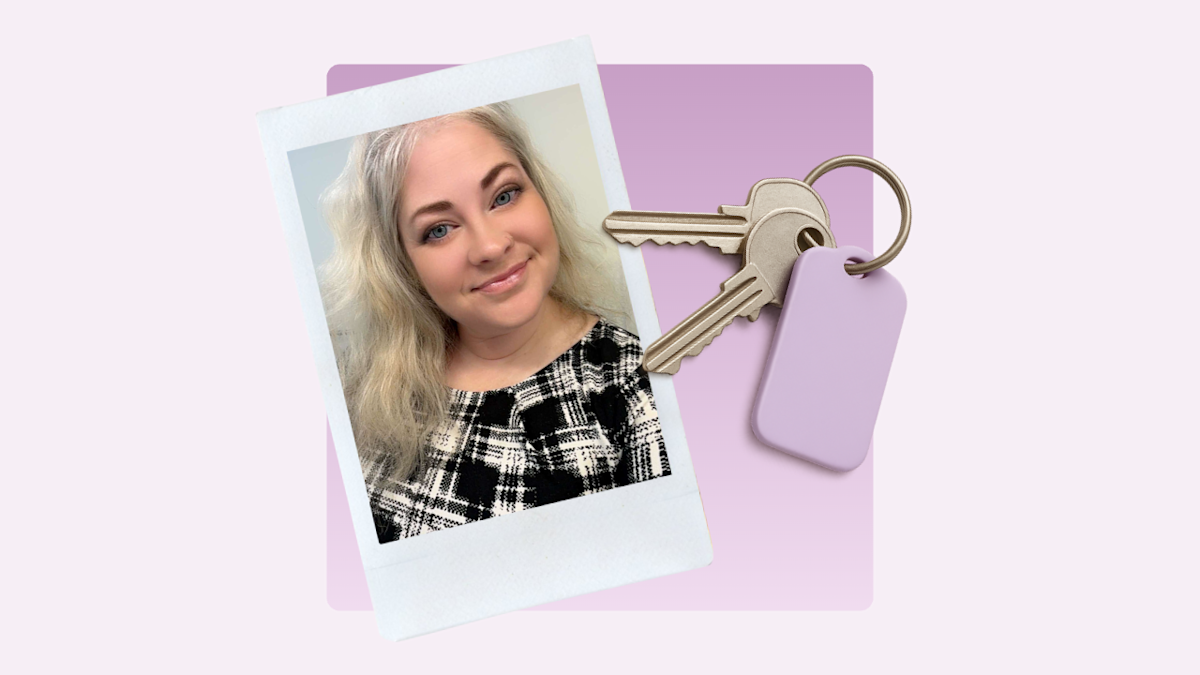
Chandra Hawkins, a 44-year-old former homeless single mother in the United States, has purchased a new-build home in Missouri, marking a significant transition from living in her car to securing stable housing. The purchase was facilitated by a USDA loan with a 6.2% mortgage rate, a financial instrument that required the couple to move outside the immediate city radius but offered a more viable interest rate in a competitive market. Hawkins and her husband moved into the property in September 2025.
The journey to homeownership began several years ago when Hawkins was jobless and facing a custody battle that resulted in substantial legal fees and credit card debt. After her marriage ended, she found herself with no assets and a credit score that prevented her from securing a lease. In 2022, she sought assistance from Money Management International (MMI), a credit counseling nonprofit, where she worked with credit counsellor Marla Puckett to develop a structured debt management plan.
By focusing on reducing overhead and making consistent repayments, Hawkins became debt-free by February 2025. Her credit score improved by nearly 100 points during this period, providing the necessary financial foundation to seek mortgage preapproval. Puckett noted that while credit repair strategies vary depending on the initial cause of a low score, reducing debt utilization and maintaining on-time payments are critical for rebuilding financial health.
Hawkins’ husband, a real estate agent, leveraged his professional network to connect the couple with a lender who identified the USDA loan as the most suitable option. Although Hawkins initially sought an older home with a traditional floor plan, she determined that competing for existing properties was not financially viable given her purchasing power constraints. Consequently, the couple opted for a new-build property, which Hawkins noted can be a more attainable alternative to bidding against cash buyers in the current housing market.
The acquisition of the home has had broader implications for the couple’s family structure. Hawkins’ husband is the first in his immediate family to become a homeowner, and the property is located in a neighbourhood with several of his cousins. The new-build design has allowed Hawkins to avoid maintenance concerns, providing a stable environment for her adult sons and extended family gatherings. The case illustrates the tangible impact of credit repair on housing accessibility, particularly for borrowers utilizing government-backed loan programs.