Framework revises Laptop 13 Pro pricing and RAM specs amid supplier cost surge
The company apologises for the disruption and offers full deposit refunds as it navigates the ongoing industry-wide supply chain constraints affecting LPCAMM2 modules.
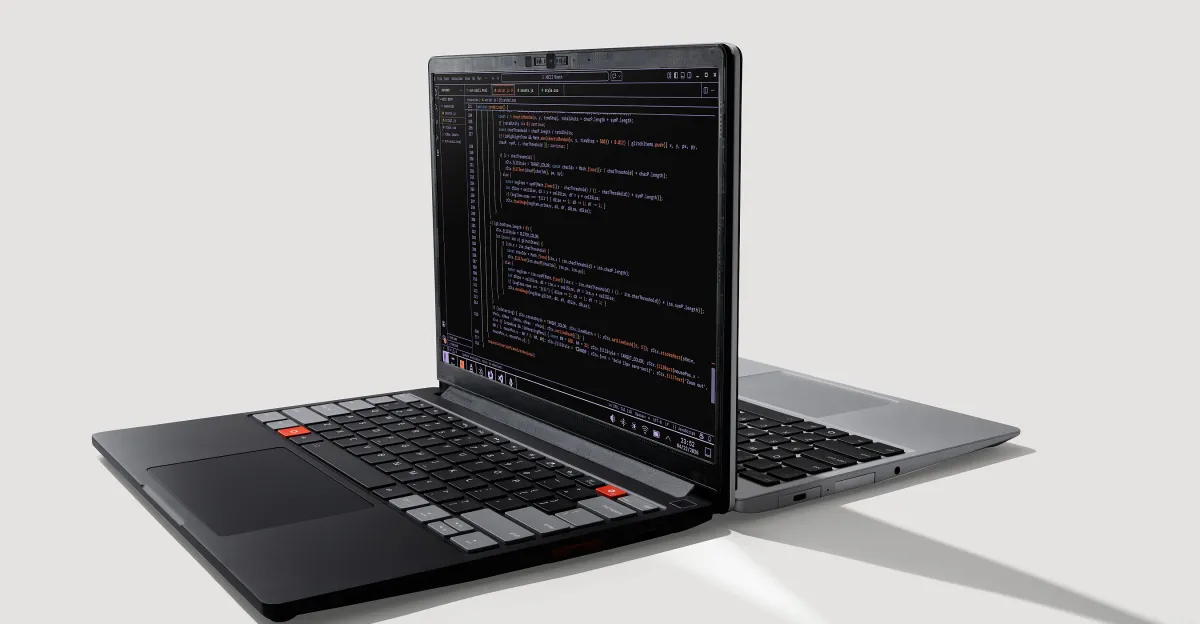
Framework has announced a significant adjustment to the pricing and memory configurations of its Laptop 13 Pro, citing that costs from its memory supplier have more than doubled. The modular PC manufacturer described the update as a "major and unfortunate" development, which impacts both new orders and existing preorders for its premium laptop line.
The company stated that it received updated cost figures from its memory supplier that are more than double those of its prior inventory. While Framework retains sufficient LPCAMM2 modules to fulfil the total volume of existing preorders, the available stock does not align with the specific mix of 64GB, 32GB, and 16GB variants requested by all customers. Consequently, the company is notifying affected buyers that their memory specifications and associated prices have been updated.
New orders for the Laptop 13 Pro are now listed at a starting price of $1,599, representing a $100 increase from the initial announcement. This base configuration includes an Intel Core Ultra 5 325 processor, 16GB of memory, and 512GB of storage. The adjustment reflects the broader industry pressures often referred to as the "RAM crisis," which has increasingly impacted hardware manufacturers reliant on specific memory technologies.
Framework has apologised for the disruption to customers and is offering full deposit refunds for those who wish to cancel their orders due to the new configurations or pricing. The company, which has been noted for its transparency regarding supply chain challenges, is working to manage the mismatch between available stock and customer preferences.
This development underscores the ongoing volatility in the memory market, with Framework being one of the more open companies about the specific impacts on its supply chain. The incident highlights the tangible effects of rising component costs on consumer electronics, forcing manufacturers to balance inventory availability with financial sustainability.