Former Meta engineer builds sustainable web business with Past Maps, rejecting VC AI boom
In a market saturated with artificial intelligence hype, the former Meta engineer has built a profitable, ad-free model using local AI for operations and a subscription fee structure that insulates him from ad-tech volatility.
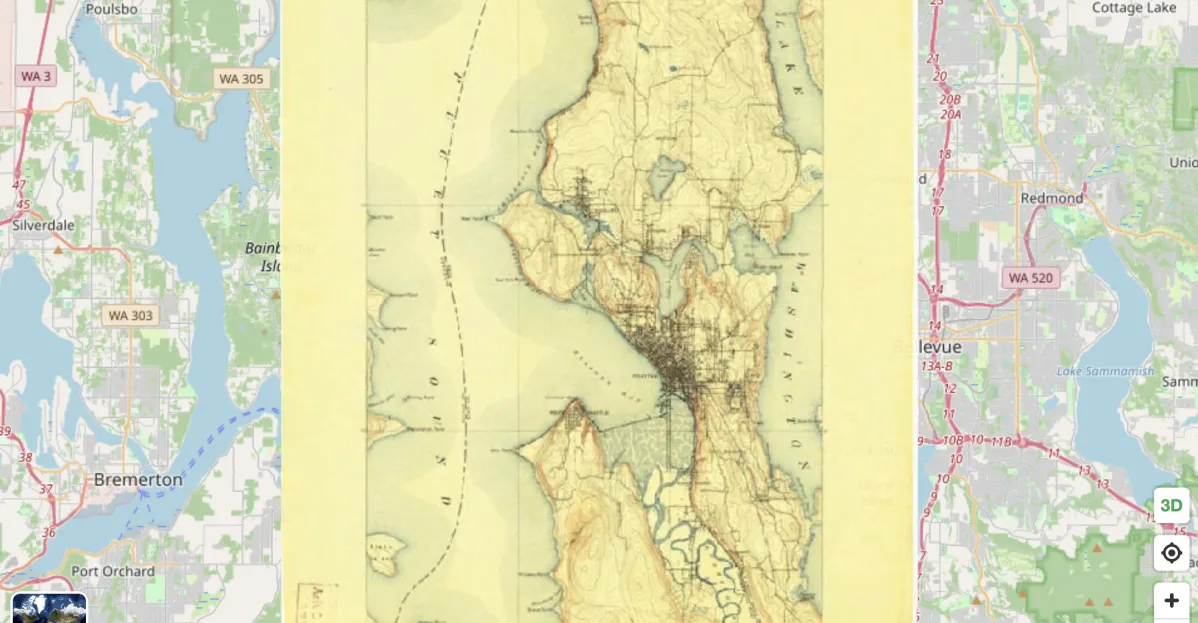
Craig Campbell, a former Meta engineer, launched Past Maps in 2022 after rejecting a blank-check offer from venture capital investors who urged him to build an artificial intelligence startup. Instead of chasing the capital markets’ prevailing trend, Campbell developed a website that overlays historical maps with modern views, a tool originally created to support his metal detecting hobby by pinpointing the locations of old structures and trails.
The service has grown from an average of 20,000 monthly active users to over 300,000 in its third year, driven primarily by organic search traffic rather than paid marketing. Campbell sources map data from publicly available repositories such as the US Geological Survey but developed the overlay tools himself. He initially shared the tooling on Reddit with other enthusiasts, discovering a broader demand for a platform that aids in genealogy research, the identification of abandoned mine sites, and the study of geographical changes, such as the straightening of the Duwamish River.
Financially, the business sustains itself through subscriptions priced at $9 weekly or $52 annually, deliberately avoiding the display advertising model that dominated web publishing a decade ago. This strategy protects the business from the volatility of marketing budgets and the ad-tech industry, which Campbell notes is largely controlled by Google. The US Department of Justice ruled Google an illegal monopoly in 2025, a context that reinforces the appeal of an independent revenue stream not reliant on search engine ad ecosystems.
Campbell reports that his earnings are comparable to those of a mid-level E4 engineer at Facebook, allowing him to support himself and his wife, who assists with the business. He attributes the success to a return to traditional web fundamentals, noting that tagging content effectively for search engines created a compounding cycle of traffic. He describes the model as the old school web working as intended, thriving in specific niches where users seek detailed historical and geographical data.
To manage operations efficiently, Campbell utilises local AI models on his desktop to automate customer service triage. A scheduled agent processes emails once an hour, filtering spam and drafting responses, which has reduced his daily involvement to approximately 10 minutes. He is also developing an optical character recognition tool using modern large language models to handle the complexities of historical map labels, such as curved text and inconsistent spacing, though he emphasises the necessity of human oversight to achieve accurate results.
