Finance teams embrace AI tools in a bottom-up surge before governance is in place
Executives face a paradox of reconciling productivity gains with risk management as advanced artificial intelligence embeds itself into daily workflows
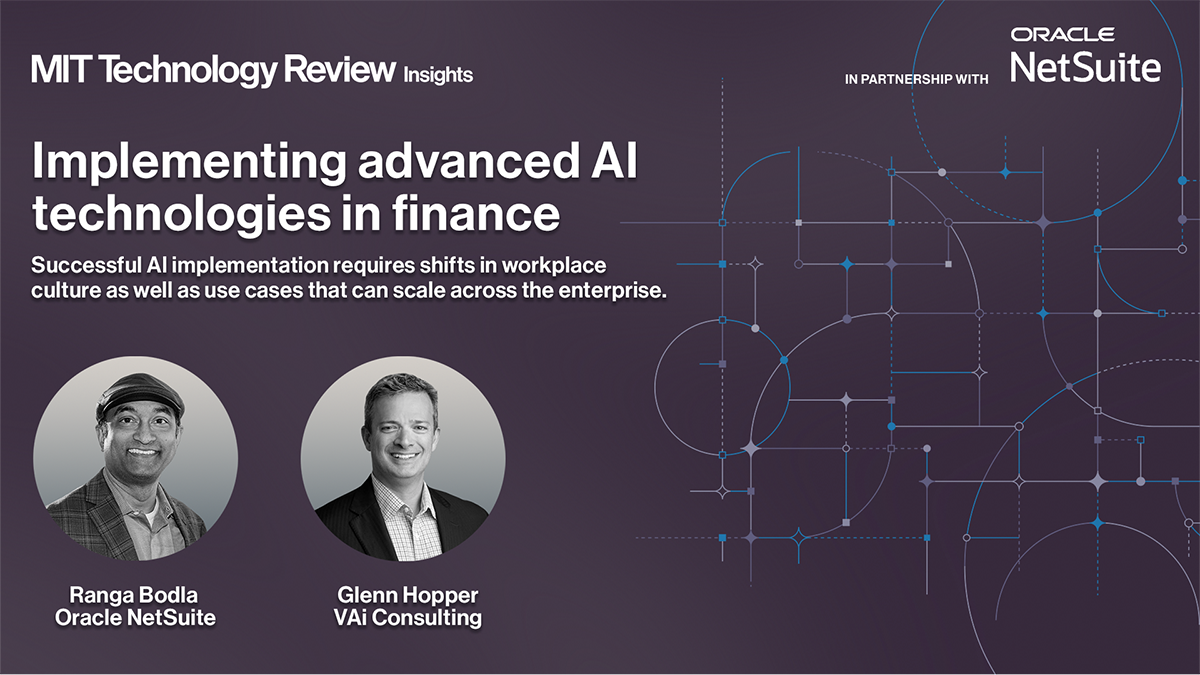
Finance departments, historically defined by precision and strict control, are witnessing a quiet insurgency as employees adopt advanced artificial intelligence technologies before leadership can establish formal governance. This bottom-up approach sees staff utilising tools for tasks ranging from variance commentary and fraud detection to contract review and narrative drafting, effectively transforming one of the most tightly regulated enterprise functions into an experimental landscape.
The primary driver for this rapid adoption is not cost savings or new features, but rather the ease of integration. According to industry experts, the technology has proliferated before any real plan or governance structure was put in place, forcing executives to recalibrate their strategies to reconcile productivity gains with oversight and accountability. This creates a complex challenge where the very tools designed to streamline operations are being used in unstructured ways that traditional compliance frameworks struggle to monitor.
A critical constraint emerging from this shift is the widening gap between traditional domain expertise and AI fluency among staff. Glenn Hopper, head of AI and managing director at VAi Consulting, identifies talent shortages as the root cause of implementation challenges, noting that the ability to effectively use these tools remains a significant hurdle. Even as concerns regarding data security and model opacity persist, experts warn that restricting access too tightly may simply drive employees to seek uncontrolled workarounds, further undermining auditability.
To navigate this environment, industry leaders such as Ranga Bodla of Oracle NetSuite suggest reframing the role of artificial intelligence. The consensus is shifting toward viewing the technology as an ambient capability that should disappear into existing processes rather than replacing them outright. Through embedded systems and seamless integrations like the Model Context Protocol, AI is becoming a background utility that bolsters judgement and automates routines without disrupting established workflows.
Looking ahead, the trajectory of this transformation is clear but variable across different organisations. Emerging AI agents capable of executing complex, multi-step tasks are beginning to materialise, promising a future where finance teams spend less time reconciling historical data and more time shaping future strategy. However, the long-term stability of this bottom-up adoption versus top-down governance remains an open challenge for executive leadership as they strive to maintain control in a rapidly evolving sector.
This analysis draws on insights regarding the current state of artificial intelligence in finance, highlighting the tension between immediate utility and the need for structured oversight. As the sector continues to evolve, the focus will remain on balancing the experimental nature of these tools with the rigorous standards required in financial management.
