FIFA World Cup 2026: Expanded Format and Broadcast Strategies Define North American Tournament
As the tournament commences across Mexico, the United States, and Canada, Linxi News analyses the implications of the new knockout structure, broadcast partnerships, and regional engagement challenges.
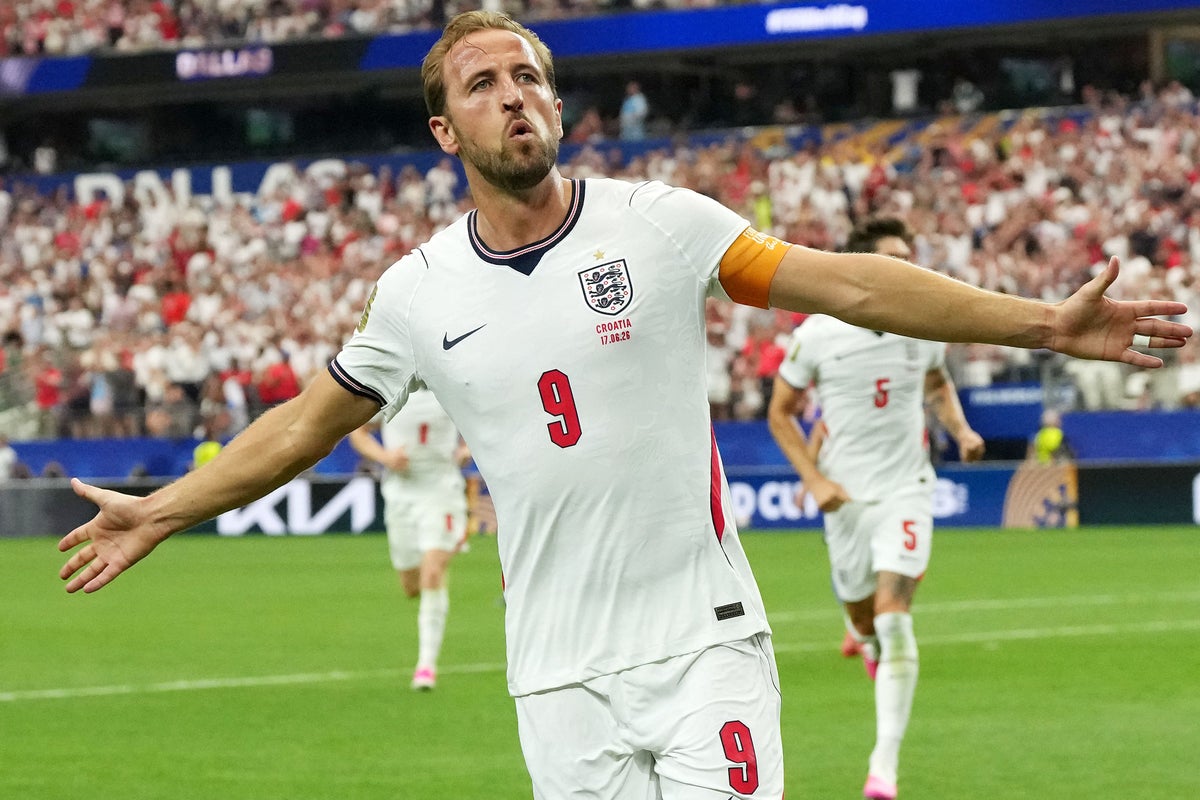
The 2026 FIFA World Cup has commenced, marking a significant structural shift in international football governance with the introduction of 48 competing nations. The tournament is divided into 12 groups, representing a substantial expansion from previous editions. Co-hosts Mexico, the United States, and Canada have been designated as top seeds in Groups A, B, and D respectively, while other notable placements include Scotland in Group C alongside Brazil, Morocco, and Haiti, and England in Group L with Croatia, Ghana, and Panama.
The expanded format involves 104 matches, an increase of 40 fixtures compared to the 2022 tournament in Qatar. The qualification pathway for the knockout stages has been altered to accommodate the larger field; the top two teams from each group, along with the eight best third-placed teams, will advance to a round of 32. This structural change means that in certain group configurations, a team could potentially progress to the next stage with as few as three points, altering the strategic calculus for national teams throughout the group phase.
In terms of broadcast infrastructure, major UK networks have finalised their operational line-ups to cover the event. The BBC has secured rights to broadcast 54 matches, with Gabby Logan set to host key fixtures, including the England versus Ghana match, while Wayne Rooney joins the commentary team. ITV has similarly unveiled its presenter and pundit configurations. These arrangements reflect the logistical complexity of managing a multi-national tournament with significant viewership in the United Kingdom, despite the event’s primary geographic focus on North America.
The opening match took place at the Estadio Azteca in Mexico City, a venue with historical significance in football governance and culture. Mexico defeated South Africa 2-0, with Julian Quinones scoring the tournament’s first goal in the ninth minute and Raul Jimenez adding a second in the 67th minute. The match concluded with South Africa playing with nine men after the dismissals of Sphephelo Sithole and Themba Zwane, while Mexico’s Cesar Montes also received a red card. This result sets the initial tone for the competitive dynamics within Group A.
Despite the scale of the event, market analysis indicates varying levels of public engagement across host nations. In the United States, where 78 matches will be hosted, polls suggest that public awareness remains low compared to concurrent sporting events such as the NBA Finals. High ticket prices and limited familiarity with football among non-specialist audiences have been cited as barriers to widespread engagement. Conversely, Mexico and Canada will each host 13 games, with the United States taking sole responsibility for all matches from the quarter-finals onwards, culminating in the final at MetLife Stadium in New Jersey.
The tournament also marks a potential endpoint for the careers of global icons Lionel Messi and Cristiano Ronaldo, adding a narrative layer to the competitive stakes. As the group stages proceed, the focus remains on how the new format influences team strategies and how host nations manage the logistical and commercial demands of a 48-team World Cup. The outcome of these early fixtures will determine which nations navigate the complex qualification rules to reach the knockout rounds.