EU battery mandate reshapes portable tech landscape as 2027 deadline approaches
With enforcement set for February 2027, manufacturers are balancing compliance costs against market access, while smartphones remain exempt under durability clauses.
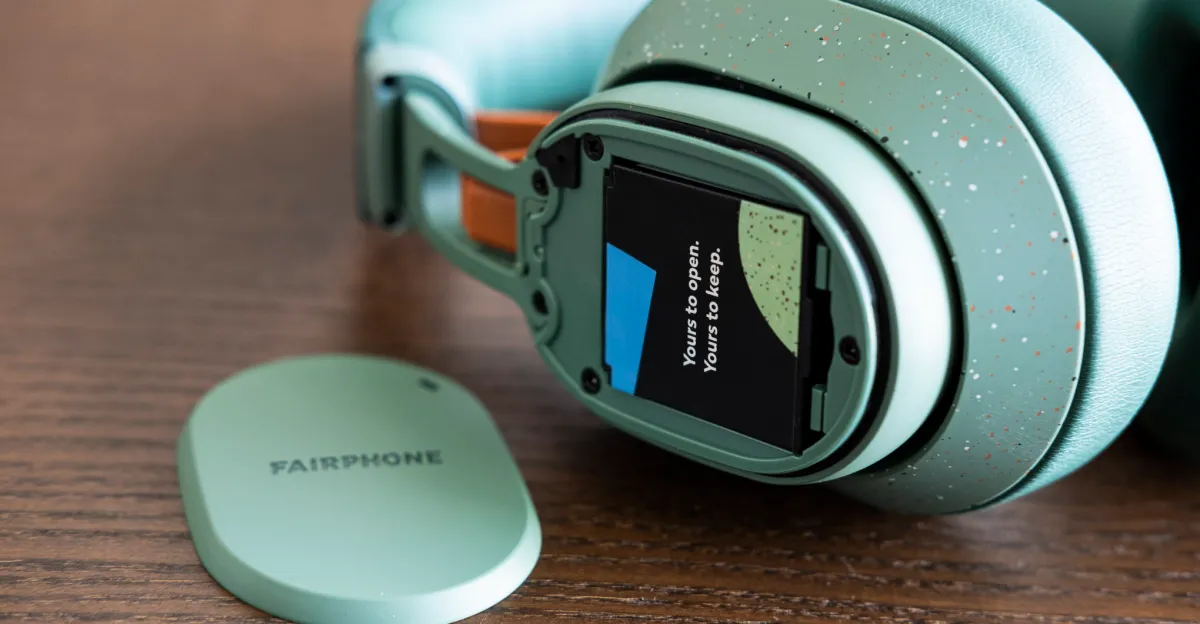
New European Union regulations taking effect on 18 February 2027 will require manufacturers to design portable electronic devices with user-replaceable batteries. The rules mandate that batteries must be removable using basic tools or free specialised tools, and spare batteries must be available for at least five years. The legislation covers headphones, e-readers, laptops, and gaming consoles, but exempts smartphones and tablets if they meet specific durability and waterproofing standards.
Manufacturers such as Fairphone, Sennheiser, and Fender are already launching products compliant with these requirements, while industry groups warn of potential risks regarding product availability in non-EU markets and the high cost of miniaturised designs like wireless earbuds.
Code snippets suggest Amazon is planning to introduce Kindle e-readers with user-replaceable batteries, though a launch date is not confirmed. Leaked images of the upcoming Xbox Elite 3 controller suggest it will feature a user-replaceable battery. Rumours indicate Nintendo is developing a version of the Switch 2 with a removable battery, potentially exclusive to the European market.
Meta is reportedly delaying the launch of Ray-Ban Display smart glasses in Europe to avoid compliance costs. Apple has introduced a new electrical-release adhesive for iPhone battery compartments, though the company has declined to confirm if this was a response to EU regulations. Realme and Oppo are promoting batteries that retain 80% capacity after 1,600 charging cycles, aligning with durability exemptions.
The legislation applies to almost every piece of technology with a battery inside, with the exception of smartphones and tablets which are covered by a separate regulation requiring spare parts availability for seven years. Smartphones and tablets are exempt from the new rules if they meet specific durability and waterproofing standards, specifically an IP67 rating and battery capacity retention thresholds.
Campaign group Right to Repair Europe has opposed further exemptions for wearables, arguing that user-removable batteries are feasible even in small form factors. However, consultants Futuresource note that the in-ear design of wireless earbuds demands extreme miniaturisation, which could make compliance difficult and costly.
The EU has finished collecting feedback on proposed exemptions for wearables like smartwatches and fitness trackers, citing the risk of damaging batteries during removal. Industry observers warn that some companies may choose to skip the EU market entirely rather than redesign products, potentially leaving European consumers without access to certain devices.
