Engadget reviews Xreal XBX a01+ AR glasses
At $299, the Xreal XBX a01+ offers high-brightness Micro-OLED displays and lightweight design, positioning itself as a practical alternative to premium AR headsets.
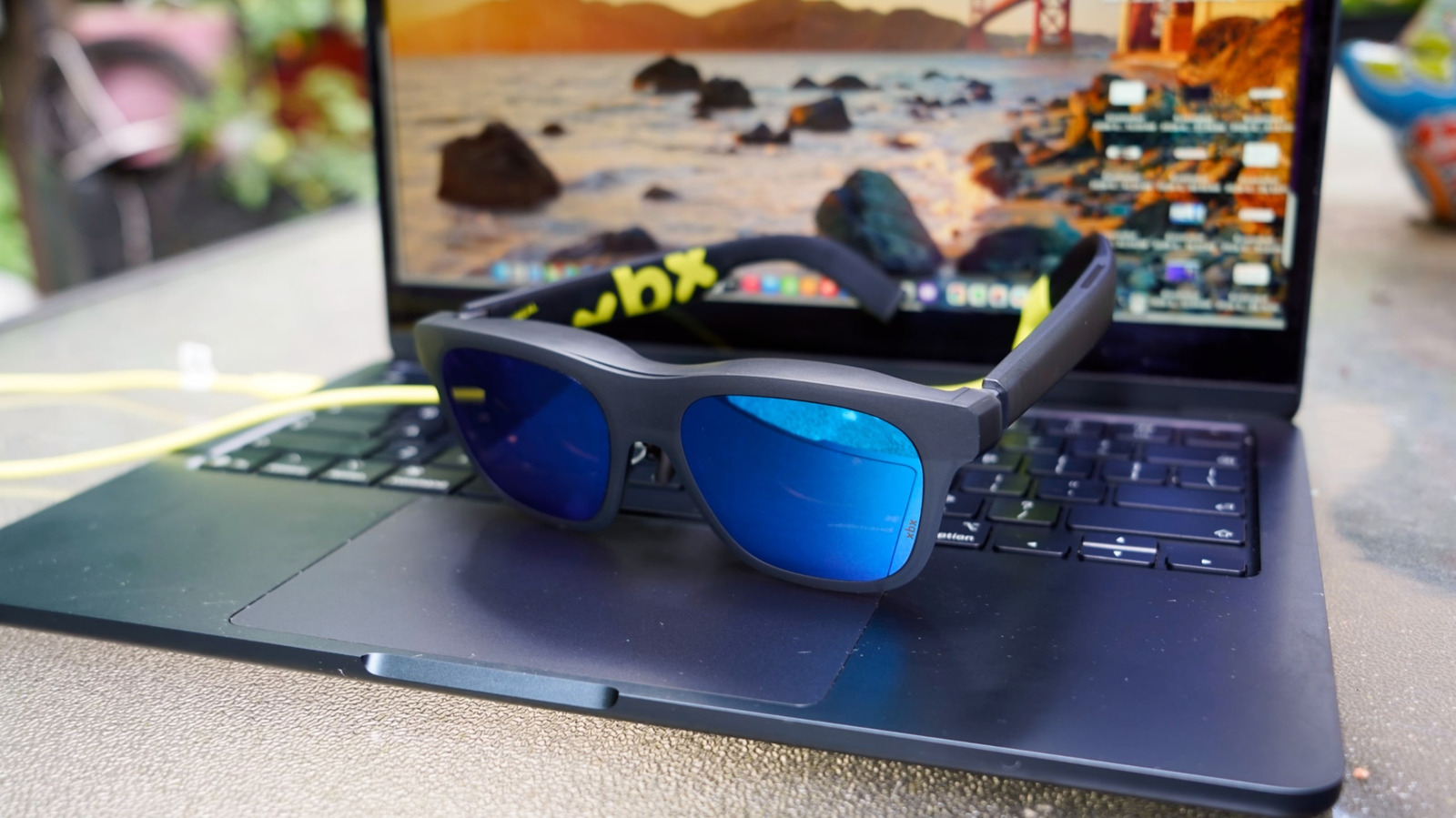
Engadget has published a review of the Xreal XBX a01+, a pair of augmented reality glasses priced at $299. The device is positioned as a budget-friendly alternative to Xreal’s premium $599 One AR glasses, focusing on lightweight design and high brightness rather than advanced AR tracking. The glasses feature dual-layer Micro-OLED screens with a peak brightness of 1,600 nits, a 50-degree field of view, and weigh 62 grams. They support 120Hz refresh rates and connect via USB-C to devices such as iPhones, MacBooks, and handheld gaming consoles like the Steam Deck. The device includes built-in stereo speakers and avoids privacy concerns associated with camera-equipped smart glasses. Xreal representatives have confirmed that Microsoft has no objection to the "XBX" branding, despite its similarity to Xbox.
The review highlights the device’s dual-layer Micro-OLED 1080p screens, which deliver a peak brightness of 1,600 nits and a 50-degree field of view. Weighing just 62 grams, the glasses are described as being comparable in weight to a standard C battery and less bulky than Xreal’s previous One Pro model. The display supports a 120Hz refresh rate, allowing for smooth performance during gaming sessions on compatible hardware. The bundled case is noted for its compact size, accommodating both the frames and an angled USB-C cable.
Connectivity is handled via a single USB-C port, enabling screen mirroring from iPhones, MacBooks, and handheld gaming devices such as the Steam Deck. The glasses automatically adjust to horizontal viewing modes for video content and provide a virtual 147-inch screen experience. While the device supports PC and handheld gaming, it lacks native compatibility with Nintendo Switch models. Third-party solutions, such as the Viture Pro Mobile Dock, may enable compatibility with Switch devices, though this adds to the overall cost.
Audio is delivered through dual stereo speaker drivers built into the frames, offering multiple modes including standard, whisper, cinema, and 3D surround. The review notes that the speakers provide detailed sound without blocking out ambient noise, making the glasses suitable for outdoor use. Unlike Meta’s smart glasses, the XBX a01+ does not include cameras, addressing privacy concerns for users who prefer not to record their surroundings.
Prescription lenses are available as an additional $50 purchase from HonsVR. The device is positioned against competitors such as RayNeo’s Air 4 Pro, which has been available in the $300 price range for several years. Engadget’s assessment suggests that the XBX a01+ offers a brighter display and slightly wider field of view than some existing budget options, providing a straightforward entry point into smart display glasses without the complexity of full AR tracking systems.