Engadget review pits Oppo Find X9 Ultra against Vivo X300 Ultra in telephoto showdown
A comparative analysis by Engadget reveals distinct strengths in the new Oppo Find X9 Ultra and Vivo X300 Ultra, highlighting diverging approaches to telephoto capabilities, video production features, and pricing structures.
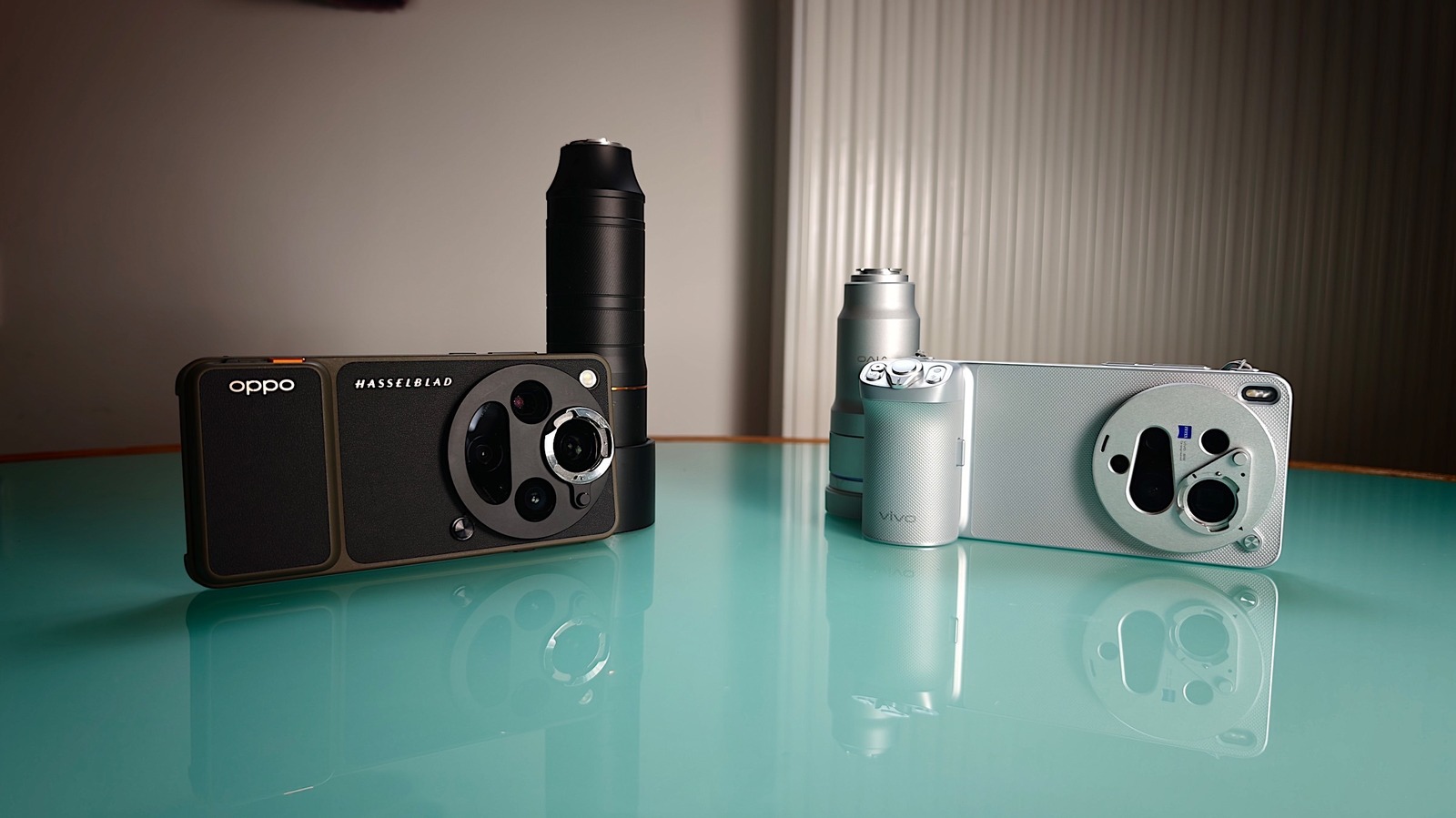
Engadget has published a detailed comparative review of the Oppo Find X9 Ultra and the Vivo X300 Ultra, two flagship smartphones that utilise advanced telephoto capabilities and external teleconverter lenses. The analysis positions the Vivo X300 Ultra as the superior option for video production, citing professional-grade features such as 4K/120 fps 10-bit log video, APV 422 codec support, and gimbal-grade image stabilization. Conversely, the Oppo Find X9 Ultra is identified as the stronger device for still photography, featuring a built-in 10x optical zoom, a 200-megapixel primary sensor, and a Hasselblad Master Mode designed for AI-free imagery.
Both devices are powered by the Snapdragon 8 Elite Gen 5 processor and utilise silicon-carbon batteries to manage capacity within their chassis. In battery rundown tests conducted by the publication, the Oppo Find X9 Ultra achieved 39 hours of video playback, outperforming the Vivo X300 Ultra, which recorded 36 hours of playback. The review notes that while both phones offer similar hardware foundations, their camera architectures and software integrations reflect different strategic priorities from their respective manufacturers.
The Vivo X300 Ultra is framed by Engadget as a capable secondary camera for professional video shoots. It supports the Academy Color Encoding System and allows for custom 3D LUT previews during recording, features that facilitate integration with professional cinema camera footage. The device also employs electromagnetic motors to move the entire sensor-lens assembly, providing stabilization that Vivo claims can compensate for up to seven stops of shake. This setup is contrasted with the Oppo Find X9 Ultra, which Engadget found struggled with stability in low-light or moving conditions, often resulting in pixelated effects.
For still photography, the Oppo Find X9 Ultra offers a penta-camera setup that includes a 200-megapixel primary sensor and a dedicated 10x telephoto lens. Engadget highlighted the utility of Oppo’s Hasselblad partnership, particularly the Master Mode, which strips away computational AI enhancements to provide more natural imagery. While the Vivo X300 Ultra also utilises a 200-megapixel main sensor, Engadget noted that its ultrawide camera, equipped with optical image stabilization and Zeiss anti-reflective treatment, performed significantly better than Oppo’s counterpart.
Pricing and availability for the devices vary considerably, with the Vivo X300 Ultra starting at 1,740 Euros and the Oppo Find X9 Ultra priced at £1,449 in the UK. Engadget observed that both companies are pursuing global launches, though actual availability remains limited in certain markets. The review concludes that the choice between the two devices ultimately depends on whether the user prioritises the video-centric features of the Vivo model or the versatile still photography capabilities of the Oppo device.
