Emergency services leaders warn Waymo autonomous vehicles are regressing in safety performance
First-responder leaders told the National Highway Traffic Safety Administration that Waymo technology is backsliding, with vehicles failing to respond to hand signals and obstructing fire stations, while new California rules set for July aim to mandate faster reaction times.
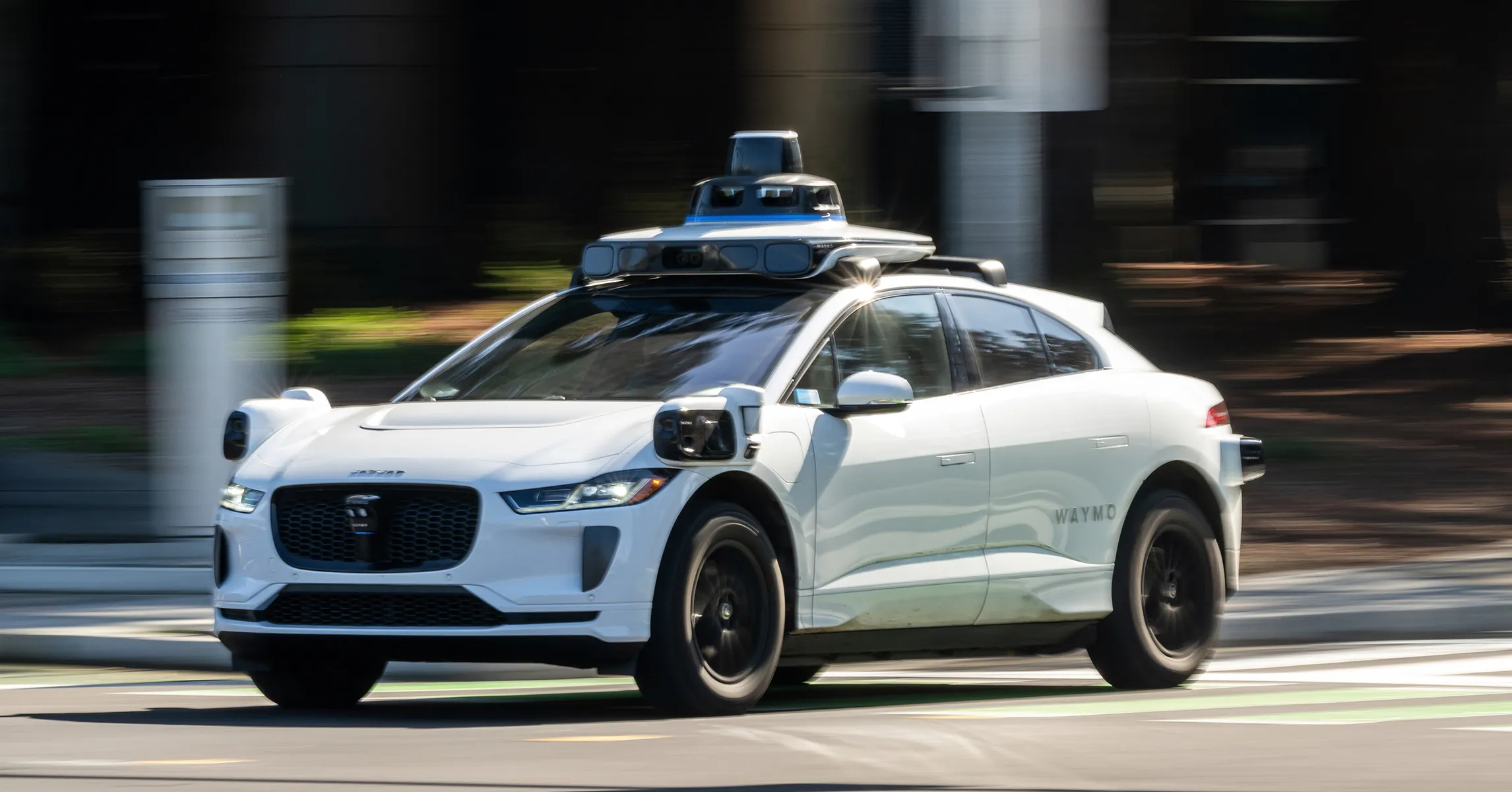
Emergency first-responder leaders in San Francisco and Austin have formally reported to federal regulators that Waymo autonomous vehicles are exhibiting a concerning regression in performance. In a private meeting with the National Highway Traffic Safety Administration last month, officials described the technology as a growing safety hazard that delays critical emergency responses. Mary Ellen Carroll, executive director of San Francisco's Department of Emergency Management, told regulators that the company is seeing a "backsliding" of improvements previously made, noting that vehicles are committing more traffic violations than in the past.
The core of the complaint centres on the vehicles' tendency to freeze, which physically blocks access to fire stations and ambulances. Chief Patrick Rabbitt of the San Francisco Fire Department stated that the default behaviour of the robotaxis is to freeze, preventing firetrucks from responding to emergencies in a timely and appropriate manner. In Austin, Lieutenant William White of the Highway Enforcement Command confirmed that these vehicles frequently fail to recognise or respond to police hand signals, particularly those issued by officers on motorcycles. This lack of social awareness creates cascading delays during urgent incidents, such as a recent event where a driverless vehicle blocked an ambulance responding to a shooting for two minutes.
Specific incidents have highlighted the severity of the operational failures. During a widespread power outage in San Francisco last December, more than 60 Waymo vehicles were stranded and required manual retrieval by emergency crews. Carroll noted that a 911 operator once waited on Waymo's hotline for 53 minutes to resolve a situation, a delay that could be fatal in life-and-death scenarios. White attributed these failures to a flaw in the "human element" of the technology, stating that the moment vehicles are forced to interact with people, they lose their social awareness and freeze.
Waymo maintains that its technology reduces serious crashes compared to human-driven cars and emphasises its commitment to safety through training. The company spokesperson, Julia Ilina, stated that the firm deeply values its partnership with first responders and has trained over 35,000 emergency personnel across the country. She further noted that the company has conducted in-person training and increased engagement following the December outage. However, the company declined to attend a recent City Council hearing in Austin where first responders discussed the blocking incident, leaving reserved seats empty as officials expressed frustration over the lack of immediate remote support.
The friction between local departments and the technology provider is complicated by the regulatory landscape. Since autonomous vehicle operations in California and Texas are regulated by state rather than city officials, local departments generally possess limited power to mandate operational changes. Consequently, officials can only request specific adjustments, a dynamic that has led to vocal opposition from city leaders and organised labour in major US cities. Despite this, the push for accountability has resulted in new regulations from the California Department of Motor Vehicles scheduled for implementation in July.
These upcoming rules aim to address the immediate concerns raised by emergency services. The new regulations will mandate that autonomous vehicles respond to first-responder calls within 30 seconds and require them to exit emergency zones within two minutes upon receiving a "do not enter" directive. While first responders expressed a desire for the technology to succeed, they insisted that these stricter protocols are necessary to ensure that the rapid deployment of hundreds of vehicles does not compromise public safety or delay critical medical and fire services.