Eli Lilly’s gene-editing therapy slashes bad cholesterol by 62% in early trial
The experimental treatment, acquired by Eli Lilly for $1.3 billion, uses mRNA-based base editing to permanently disable the PCSK9 gene, offering a potential one-off alternative to lifelong statin therapy.
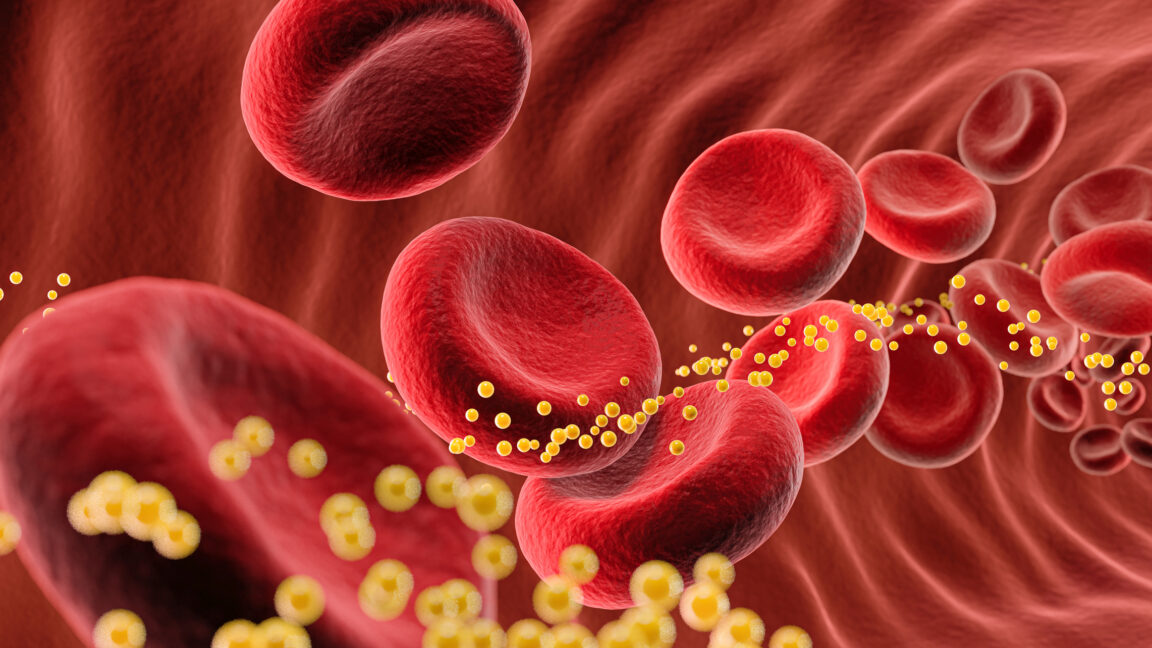
Interim results from a Phase I safety trial of VERVE-102, an experimental gene-editing therapy developed by Verve Therapeutics and acquired by Eli Lilly, indicate a significant reduction in low-density lipoprotein (LDL) cholesterol. Published in the New England Journal of Medicine, the data from 35 participants show that patients receiving the highest dose experienced a 62 per cent drop in LDL levels, with mean concentrations falling to 78 mg per deciliter.
The trial demonstrated a clear dose-response relationship. Participants in the lowest dose subgroup (0.3 mg/kg) saw a 9 per cent reduction in LDL, while those in the highest dose subgroup (1 mg/kg) achieved the 62 per cent reduction alongside an 88 per cent decrease in PCSK9 protein levels. The drug utilises mRNA-based base editing to permanently disable the PCSK9 gene, which codes for an enzyme that promotes the destruction of LDL receptors on liver cells. By preventing the production of this enzyme, the therapy aims to provide a one-time treatment for high cholesterol, contrasting with current standard statin treatments that require lifelong management.
Safety was a primary endpoint for the Phase I study. Researchers reported no serious adverse events across the trial, although a mild, temporary increase in liver enzymes was observed in some participants. This finding suggests minor injury in the liver, which is the primary site of action for the drug. The follow-up periods varied by dose, with the lowest dose subgroup monitored for up to 18 months and the highest dose subgroup for up to three months, yet LDL reductions appeared sustained across all groups.
The participants in the trial were selected for their elevated risk, comprising individuals with early-onset cardiovascular disease or inherited conditions causing high cholesterol. Sekar Kathiresan, co-founder of Verve Therapeutics and now Senior Vice President at Eli Lilly, and co-author Riyaz Patel, a cardiologist at Barts Health NHS Trust, highlighted the potential for the drug to offer a novel approach to achieving substantial and durable LDL-C reduction. Patel noted that many patients struggle to achieve sustained control with existing medicines, placing them at significant risk for cardiovascular events.
Eli Lilly acquired Verve Therapeutics last year for $1.3 billion, and the company notes that the US Food and Drug Administration has granted VERVE-102 Fast Track designation. While the data is preliminary and derived from a small cohort, the results hint at a potential 50 per cent reduction in cardiovascular disease risk if the LDL reduction is sustained over 20 years. Further trials with larger groups and longer follow-up periods are required to convincingly demonstrate long-term safety and efficacy.
