El-Erian warns of recession as Strait of Hormuz blockade triggers oil shock
Gasoline prices surge past $4.50 per gallon and inflation spikes to 3.8% as the International Energy Agency declares the largest supply disruption in history
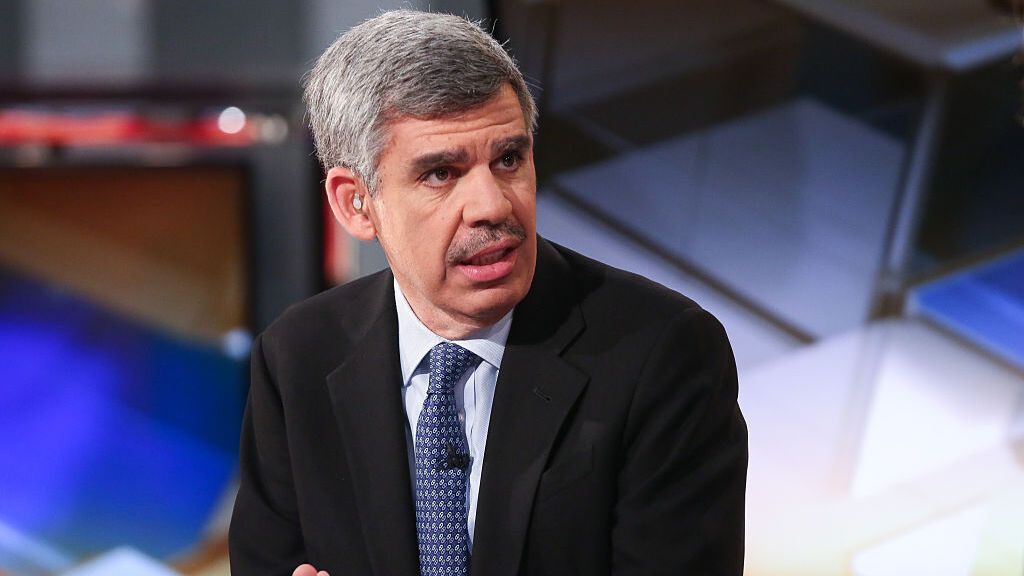
Mohamed El-Erian, the former chief executive of PIMCO, has issued a stark warning that the global economy faces a full-blown recession unless the Strait of Hormuz is reopened within the next four to eight weeks. The deadline underscores the escalating severity of a supply crisis that has gripped energy markets since late February, when US and Israeli strikes on Iran led to a blockade that has reduced commercial traffic by more than 90%.
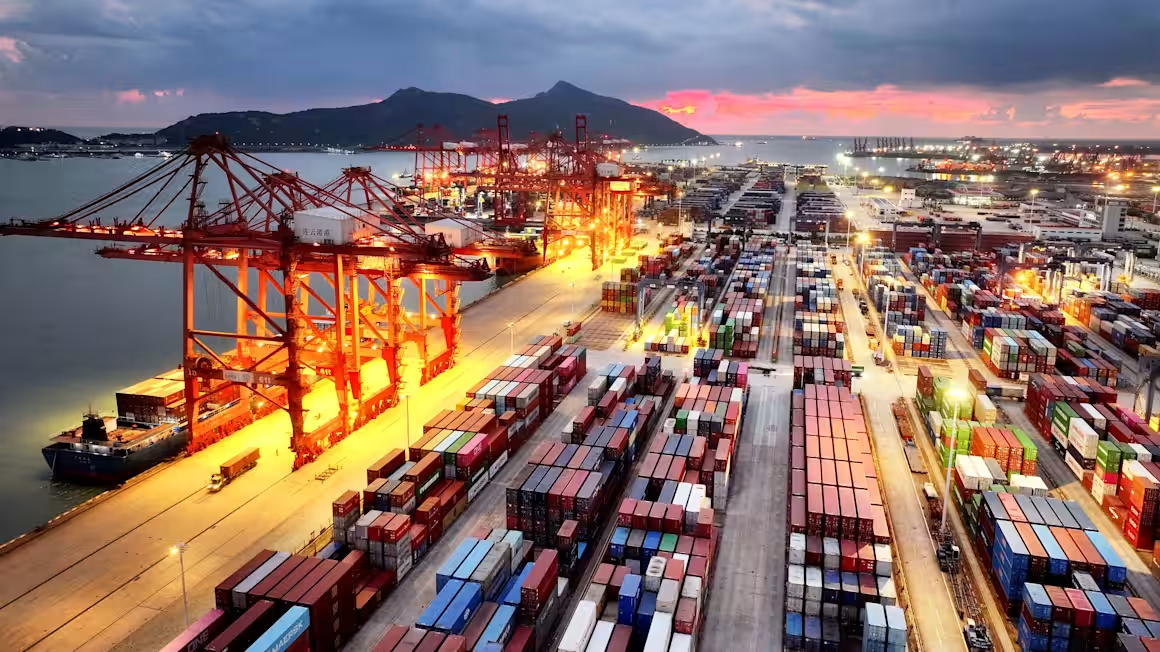
The International Energy Agency has characterised the disruption as the largest supply shock in the history of the global oil market. Approximately 20 million barrels of oil per day previously transited the strait, representing a significant portion of global seaborne trade. With the waterway largely closed, the resulting volatility has sent shockwaves through financial systems, with longer-dated oil futures climbing to their highest levels since the conflict began.
In the United States, the impact is already visible at the pump. Data from the American Automobile Association indicates that the national average price of regular gasoline has risen from $2.98 per gallon in late February to $4.53 by early May. This surge has contributed to a 3.8% year-over-year inflation spike in April, marking the largest increase since May 2023 and eroding consumer purchasing power.
Economists note that the oil shock has effectively negated the consumer tax benefits provided by the One Big Beautiful Bill Act. Research from Goldman Sachs and Morgan Stanley suggests that for lower-income Americans, the net financial benefit may now be negative. Moody’s chief economist Mark Zandi described US growth as fragile, noting that unemployment is drifting higher and that recession risks are worsening regardless of how quickly the conflict winds down.
While US domestic energy production offers a comparative buffer, the country is not immune to the fallout. Imports accounted for 17% of the US energy supply in 2024, and the broader economic disconnect is evident in equity markets. Professor Tibor Besedes of the Georgia Institute of Technology highlighted a divergence between record-high stock prices and the underlying economic reality, suggesting investors may not be fully accounting for the ongoing geopolitical instability.