Ebola response crippled by US aid cuts, experts warn of 'perfect storm'
Global health officials report severe shortages of medical supplies and a fragmented response system as the Trump administration’s foreign aid reductions hamper containment efforts in central and East Africa.
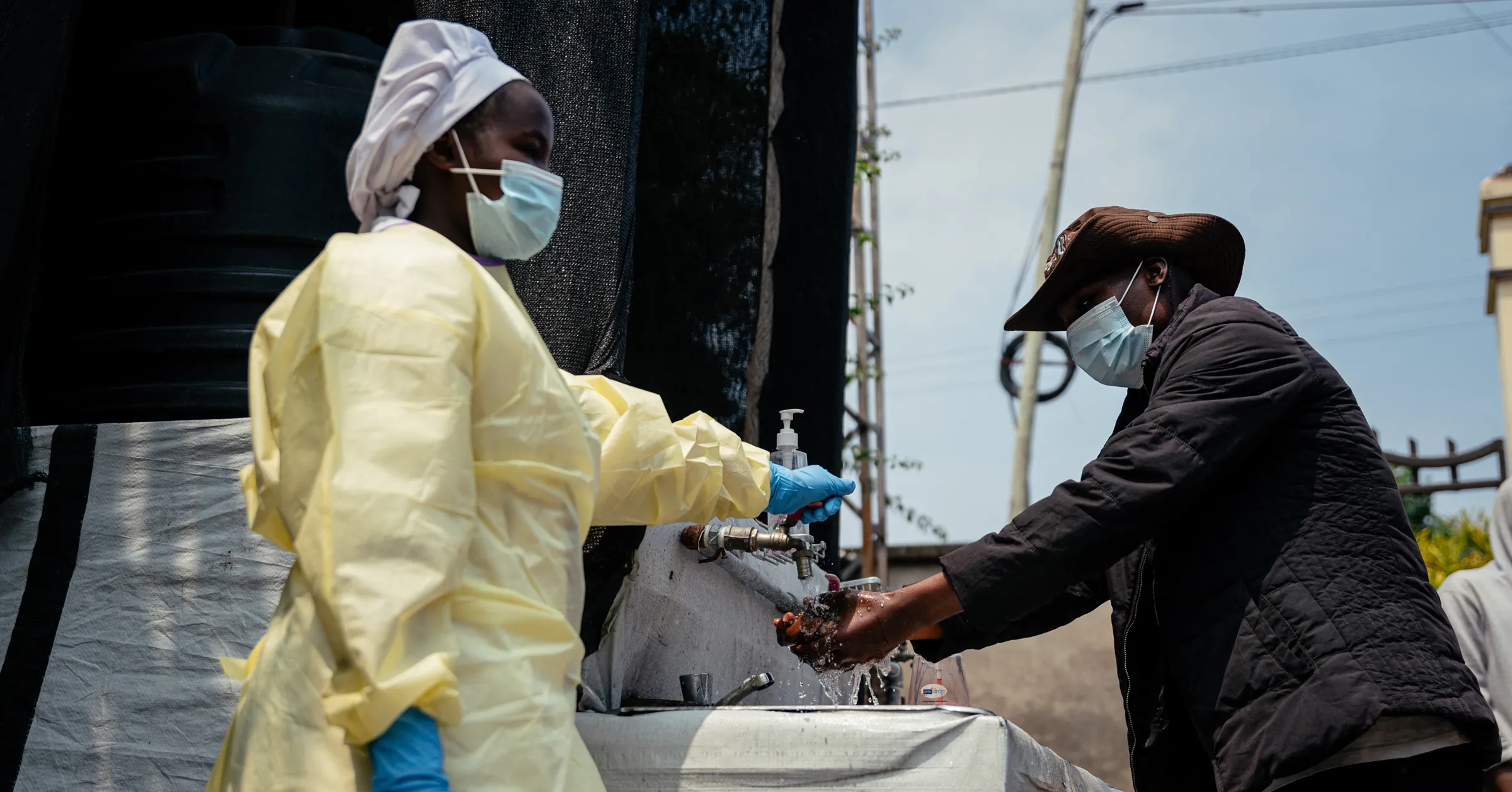
Global health experts are warning that the response to an escalating Ebola outbreak in the Democratic Republic of Congo and Uganda has been severely compromised by the Trump administration’s cuts to foreign aid and the dismantling of the United States Agency for International Development (USAID). The outbreak, driven by the Bundibugyo strain which lacks a vaccine or treatment, has recorded over 530 confirmed cases and 134 deaths as of May 19, with figures rising rapidly.
Amadou Bocoum, the Democratic Republic of Congo country director for the anti-poverty nonprofit CARE, stated that funding reductions have prevented immediate reaction times and caused critical shortages of essential medical equipment. Bocoum told WIRED that basic supplies such as masks, hand sanitizers, and testing components are in short supply, leaving health workers unable to react swiftly to new infections.
The situation has been described as a "perfect storm" by a current Centers for Disease Control and Prevention (CDC) employee with outbreak experience. The employee noted that the US has effectively cut off two main sources of support for the response: USAID, which has been shuttered, and the World Health Organization (WHO), to which the US withdrew in January 2026 following an executive order issued on the first day of Donald Trump’s second term.
Prior to these cuts, USAID played a pivotal role in coordinating rapid responses and deploying materials. The US embassy in Kinshasa noted in 2024 that the agency had treated 11 million people for diseases such as tuberculosis and HIV that year and helped contain six prior Ebola outbreaks. A former deputy assistant administrator for global health at USAID warned that without these mechanisms, the capacity to contain the virus is significantly diminished.
Compounding the crisis, Elon Musk’s Department of Government Efficiency (DOGE) allegedly cut funding to Ebola prevention in February 2025 before restoring it, though experts argue lifesaving work was not fully reinstated. DOGE also slashed funding to the CDC, contributing to staff reductions and leadership losses. Additionally, the Trump administration instructed a US National Institutes of Health facility to halt Ebola research in April 2025.
The outbreak originated in the Ituri region of the DRC, an area bordering Uganda known for cross-border travel. Confirmed cases have already appeared in Kampala, prompting Uganda to postpone an annual pilgrimage event. However, experts fear that information regarding the cancellation may not reach rural communities in time to prevent further spread.
Joia Mukherjee of Harvard Medical School and Anna Tate of Project HOPE argue that the outbreak could have been contained sooner had US aid not been slashed. Tate emphasised that outbreak response capacity cannot be built overnight, warning that disruptions to surveillance, workforce capacity, and laboratory operations make early identification and rapid containment increasingly difficult.
