Early CAR-T Trial Shows Promise for Long-Term HIV Control
Findings presented at the American Society of Gene and Cell Therapy meeting highlight potential for engineered immune cells to manage HIV, though scalability and cost remain significant hurdles.
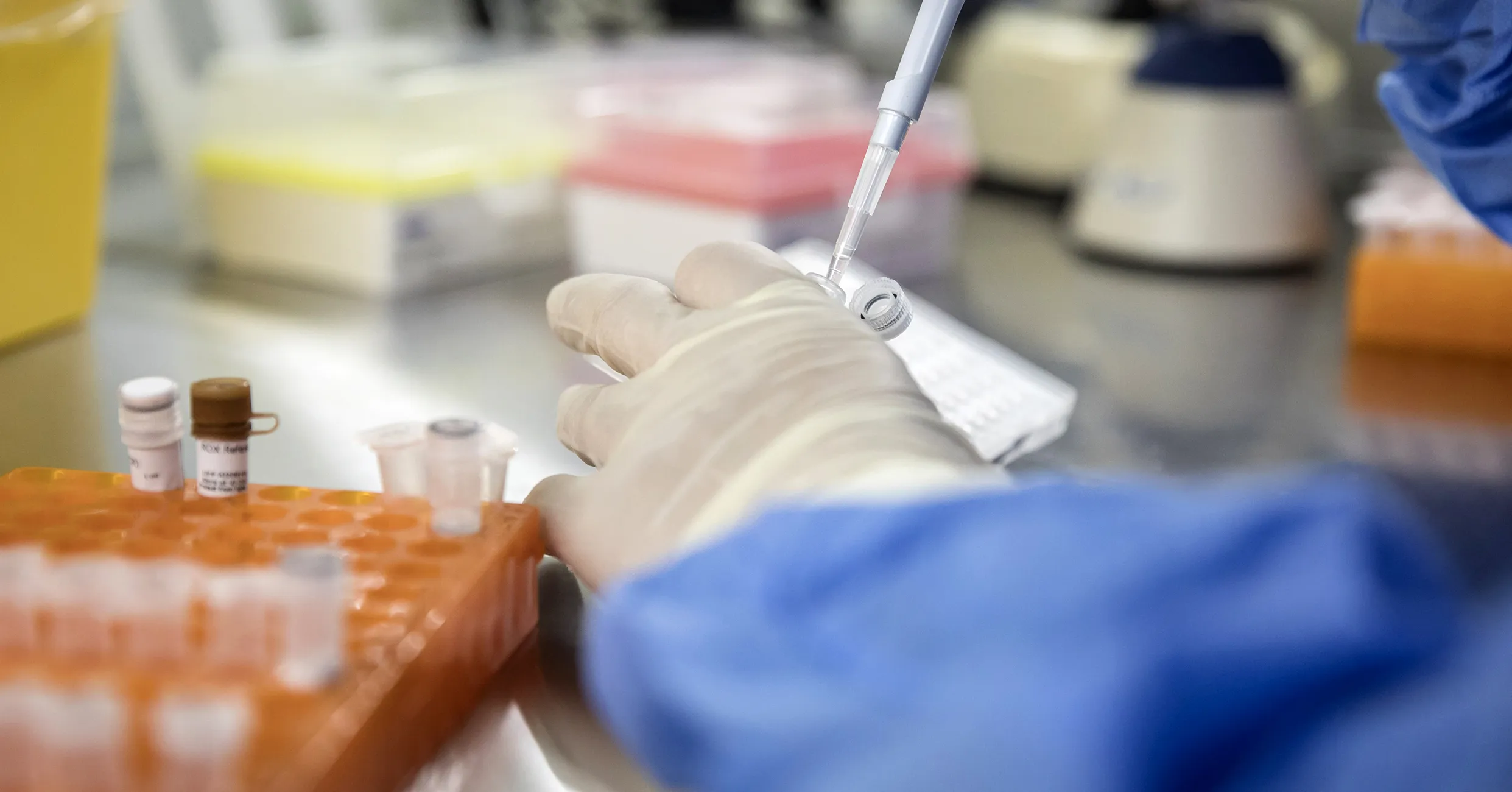
A small clinical trial involving CAR-T cell therapy has shown early promise for the long-term control of HIV, with two participants maintaining undetectable viral levels for nearly two years and almost one year respectively after discontinuing antiretroviral medication. The findings were presented at the American Society of Gene and Cell Therapy annual meeting in Boston, marking a significant step in repurposing a potent cancer treatment for infectious disease management.
Led by Steven Deeks, a professor of medicine and HIV expert at the University of California, San Francisco, the trial included nine participants who were previously on antiretroviral therapy. Scientists reprogrammed patients' immune cells in a lab to recognize and attack HIV, resulting in a single infusion of modified cells that successfully suppressed the virus in the two most successful cases. These individuals have been able to go off HIV medications entirely, offering a potential proof-of-concept for teaching the immune system to control the virus without continuous drug intervention.
The trial design divided participants into distinct groups to assess safety and efficacy. Three individuals received only the CAR-T cells without a conditioning drug, while the other six received either a lower or higher dose of CAR-T cells plus a conditioning drug to aid cell expansion. The CAR-T cells were engineered to recognise two different sites on the HIV virus, a strategy designed to prevent the virus from escaping detection by targeting multiple antigens simultaneously.
Outcomes varied significantly based on when participants initiated antiretroviral treatment. Three participants who started treatment late in their HIV infection experienced rapid viral rebound and required the resumption of medication. In contrast, three participants who started antiretroviral treatment soon after diagnosis fared better; two maintained viral suppression at 10 and 20 months, while one suppressed the virus for two months before rebounding. The initial group receiving only CAR-T cells without conditioning also saw HIV levels rebound within a few weeks.
Despite the encouraging results, researchers emphasise that the therapy is not yet ready for widespread use due to high costs and complex manufacturing processes. Current approved CAR-T therapies in the US range from $300,000 to $475,000, a price point that would make the treatment inaccessible to the 40 million people worldwide living with HIV. To address these barriers, researchers are exploring ways to create CAR-T cells directly in the body, potentially eliminating the need for complex lab manufacturing and reducing costs.
Boro Dropulić, executive director of the Maryland nonprofit Caring Cross, which developed the CAR-T therapy for HIV, noted that previous cases of sustained remission relied on intensive stem cell transplants from donors with rare genetic mutations. Dropulić stated that the goal is to engineer a similar outcome deliberately without requiring cancer or a specific donor, aiming to make advanced therapies more accessible. Andrea Gramatica, vice president of research at amfAR, described the study as providing a real clinical clue that immune control of HIV is achievable.
