Digital blackface: AI avatars exploit empathy to sell Shein goods on social media
Experts warn that platforms are failing to moderate deceptive AI content that mimics marginalised narratives for commercial gain
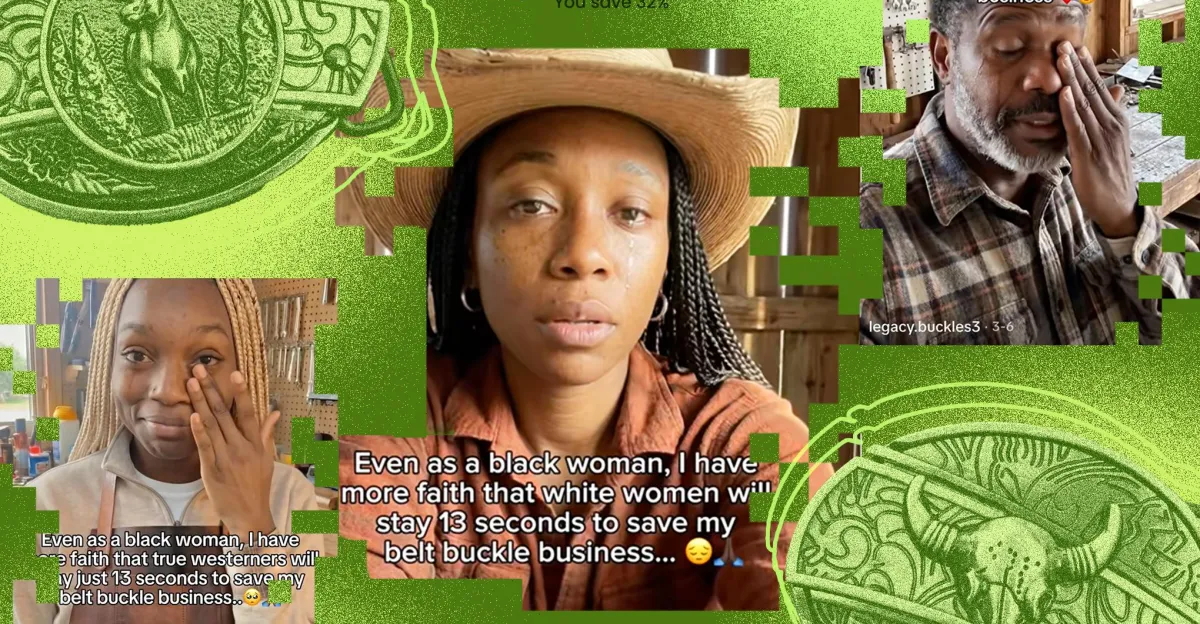
Investigations have uncovered a growing trend of AI-generated avatars, predominantly depicting Black women, being used to sell mass-produced products from fast-fashion retailer Shein via dropshipping on TikTok, Instagram, and Facebook. These digital personas employ narratives of marginalised individuals struggling to sell handmade goods to exploit viewer empathy and racial solidarity, often marketing items such as belt buckles and crochet bags at prices significantly higher than their actual cost on Shein.
The phenomenon, described by experts as "digital blackface," involves non-Black entities mimicking Black cultural expression and narratives of struggle for economic gain, a practice rooted in historical minstrelsy. Researchers estimate that up to 100 new AI-generated accounts are created daily for this purpose, with most appearing in the last two months. These accounts utilise automated content creation to simulate small businesses owned by marginalised individuals, with the most engaged-with characters being Black women despite the presence of other racial identities in the scam network.
Jeremy Carrasco, director of Riddance.ai, an organisation focused on AI video detection, characterises the trend as a massive and growing retail scam. He notes that while some operations are coordinated, many run single or multiple AI actors across various shops to link to Shopify websites. The scams rely on "empathy bait," targeting niche communities by finding popular dropship items and attaching a personality to them, often resulting in videos garnering millions of views and thousands of comments from users wishing to support the fictional sellers.
Communications researcher Cienna Davis from the University of Pennsylvania explains that digital blackface extracts value from Black bodies by mimicking a recognizable idea of Black struggle. Tempest M. Henning, an assistant professor at Fisk University, adds that the avatars present an inherent falseness, using coded Black names without authentic cultural signals. She argues that the content encourages superficial virtue signalling, where viewers perform kindness or racial solidarity without pausing to research who they are actually supporting, effectively flattening racial identities for commercial convenience.
Despite visible inconsistencies such as robotic voices, mismatched emotions, and technical glitches like disappearing tears, the content often succeeds due to the rapid consumption habits of short-form video platforms. Experts warn that platforms are currently failing to adequately label or moderate this deceptive media. Calls are mounting for stronger AI detection, transparency measures, and bias checks to prevent these scams from continuing to exploit users and erode trust in social media commerce.
