Deepfake of Warren Buffett used to spotlight cyber threats at Berkshire Hathaway annual meeting
The clip, created without input from Buffett using only public data, served as a stark demonstration of the sophistication of modern cyber threats during the shareholder gathering.
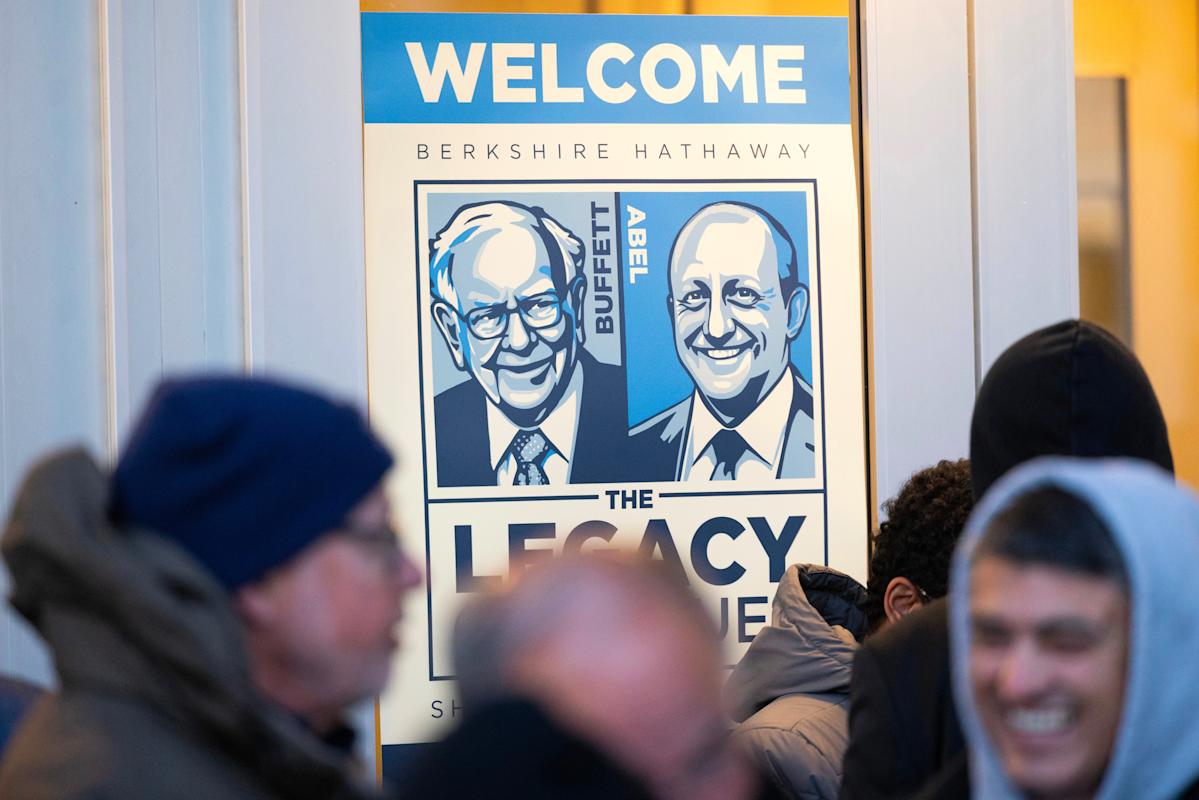
Berkshire Hathaway's annual shareholder meeting opened with a demonstration of the sophistication of modern cyber threats, rather than a traditional welcome from the retired chairman. CEO Greg Abel revealed that the opening Q&A segment featured a deepfake video of Warren Buffett asking why shareholders should hold their stock long-term. The AI-generated clip was created without any input from the billionaire, relying solely on publicly available data regarding his voice and likeness to replicate his actions and speech.
Abel explicitly stated that the incident was designed to highlight how such technology can be used to penetrate business systems. "That was done with zero input from Warren," Abel told the audience, noting that voice and photo information were obtained from data already out there. This real-time demonstration underscored the company's serious focus on cybersecurity risks, which are explicitly listed as a major threat in their annual report due to potential economic losses and reputational damage.
The incident serves as a stark reminder of the evolving landscape of digital threats, following previous warnings from Buffett regarding scams as a "growth industry of all time." At the 2024 meeting, the billionaire issued a rare press release titled "It's Not Me" to warn specifically of deepfakes of his likeness being used by scammers. While Buffett has had to warn specifically of deepfakes of his likeness being used by scammers, Berkshire and its management team have long flagged cyber broadly as a major risk.
Berkshire's annual report notes that cyber threats include computer viruses, malicious codes, phishing, and denial-of-service attacks, which could lead to economic losses, reputational damage, and operational difficulties. The company relies on technology in virtually all aspects of its business, and like many large businesses, certain information systems have been subject to these threats. A significant disruption or failure of their technology systems could result in service interruptions, safety failures, and an inability to protect information and assets against unauthorized users.
"It can go to deepfakes, and they're using it to try to penetrate our business," Abel said, adding that it is a significant risk across Berkshire that the team manages every day. While it is unsettling to think about the risks posed by cyber attacks, it is encouraging to hear executives confirm that it is top of mind. The fact that market participants have not experienced a market-destabilizing event tied to cyber perhaps speaks to how effective companies and regulators have been at keeping bad actors at bay.
However, the demonstration highlights a potential complacency among investors. In BofA's latest Global Fund Manager Survey, cyber did not crack the list of top "tail risks" identified by market pros. Investors and traders not talking about a risk suggests that the risk isn't priced into markets, meaning when the risk materializes, volatility is more likely to spike with prices potentially overshooting to the downside.