Cowboy Space secures $275 million Series B to build dedicated rockets for orbital data centres
Led by former Robinhood co-founder Baiju Bhatt, the company pivots from solar energy collection to constructing its own launch vehicles to meet surging demand for space-based computing.
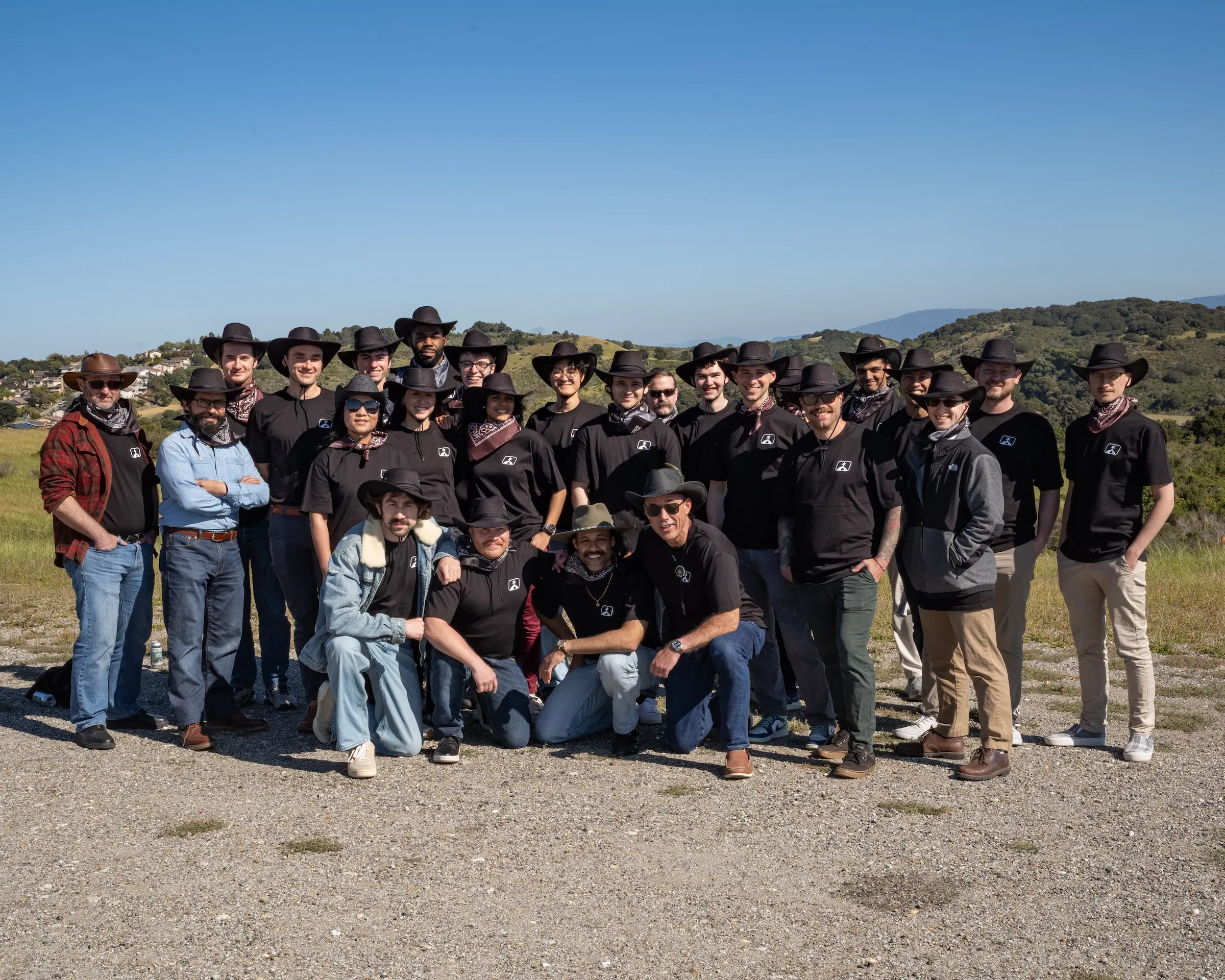
Cowboy Space Corporation has announced the closure of a $275 million Series B funding round, a move designed to finance the development of its own rocket program. The capital injection, which values the company at $2 billion post-money, addresses a critical bottleneck in the space industry: the insufficient launch capacity required to scale orbital data centres economically.
The funding was led by Index Ventures, with participation from Breakthrough Energy Ventures, Construct Capital, IVP, and SAIC. CEO Baiju Bhatt, formerly a co-founder of the online stock platform Robinhood, stated that existing global launch providers cannot meet the insatiable demand for artificial intelligence compute in space. Consequently, the company has pivoted from its original mission of collecting solar energy in orbit to building purpose-built rockets where the data centre payload is integrated directly into the second stage.
This design strategy aims to streamline operations and reduce costs, drawing inspiration from the first US satellite, Explorer 1. The new rocket programme targets a payload mass of between 20,000 and 25,000 kilograms, capable of generating 1 megawatt of power for approximately 800 onboard GPUs. Bhatt describes the vehicle as slightly more powerful than SpaceX's Falcon 9 but smaller than the under-development Starship, with plans for the booster to eventually become reusable.
The project faces a tight timeline, with Bhatt expecting the first launch of the new rocket programme to occur before the end of 2028. This aggressive schedule comes as major competitors struggle with delays; SpaceX's Starship is anticipated to make its twelfth test flight soon, while Blue Origin's New Glenn failed to deliver a satellite during its third launch in April. These setbacks have pushed other space data centre projects, such as Google's Suncatcher, toward the mid-2030s.
To support this ambitious engineering challenge, Cowboy Space has recruited industry veterans, including former Blue Origin propulsion engineer Warren Lamont and former SpaceX launch director Tyler Grinne. The company is currently working through key development needs, including the establishment of facilities for testing, manufacturing, and launching its custom-built engines and vehicles.
While bringing rocket development in-house introduces direct competition with established giants like SpaceX and Blue Origin, Bhatt argues the market size is sufficient for multiple players to succeed. The company's new vision emphasises powering humanity from the high frontier, marking a significant shift in how the sector approaches the infrastructure required for the next generation of AI computing.
