Cottage Industry of Fake Heads Emerges to Bypass Tesla Safety Systems in China
From plastic celebrity figurines to digital screens, a range of DIY devices sold on Chinese e-commerce platforms are allowing Tesla owners to disable safety alerts while using assisted-driving features.
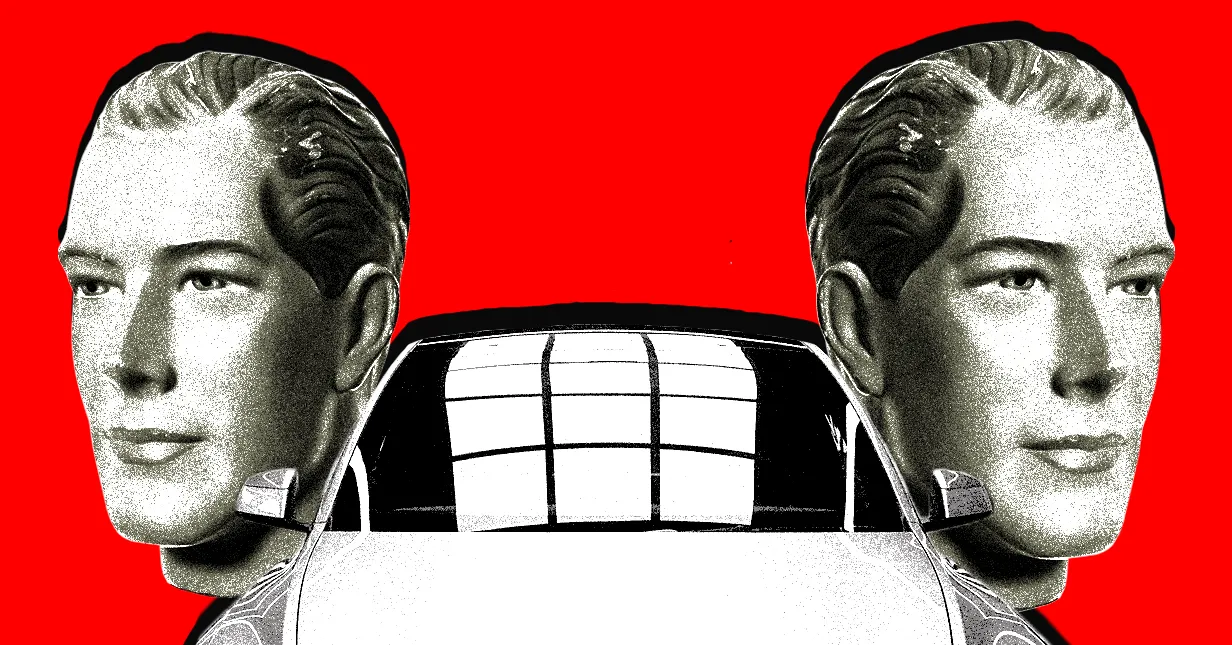
Tesla owners in China have turned to a variety of low-cost, commercially available gadgets to bypass the vehicle’s in-cabin distracted-driving monitoring system. Following a software update in October that activated eye-tracking and head-position sensors, drivers have begun using items such as plastic celebrity figurines, static lenticular prints, and pocket-sized digital screens displaying looped blinking videos. These devices, priced between $10 and $40 on platforms like Taobao and Douyin, deceive the camera into registering an attentive driver, allowing users to use mobile phones or look away from the road while assisted-driving features are active.
The trend gained traction after Tesla pushed out the software update that enabled the in-cabin camera to monitor driver attention. Initially, some drivers attempted to block the camera entirely with webcam covers, but Tesla issued a warning that obstructing the lens would disable assisted driving features. This prompted the emergence of more sophisticated workarounds, including tiny plastic replicas of celebrities such as Dwayne Johnson, which are positioned to block the camera’s view of the actual driver while simulating a human presence.
One anonymous Tesla Model 3 owner reported using a bald man figurine resembling Dwayne Johnson for 250 miles of a 400-mile road trip. The driver stated that the device allowed him to snack and film without interruption, as the system did not detect any distraction for periods of up to 30 minutes. Other users have employed lenticular prints that alternate between eyes open and closed to simulate blinking, or pocket-sized display screens playing looped videos of a person blinking.
While the primary market remains China, some sellers claim their devices have achieved a “0% error rate” and have been sold to customers in the US, Canada, and Korea. However, Tesla’s most advanced driver-assistance system, Full Self-Driving (Supervised), is not currently available in China, where drivers can only access basic features such as cruise control and autosteering. Despite the limitation, the company requires drivers to remain attentive, and the monitoring system is designed to intervene if a driver is not looking ahead for a few seconds.
The practice has drawn criticism from safety advocates on Chinese social media, who compare the gadgets to seatbelt clips, noting that both put drivers at risk for convenience. Tesla has not responded to inquiries regarding the products or the safety implications. Critics argue that the ease with which these simple devices can fool the system highlights significant gaps in the reliability of current driver-monitoring technologies.