Colossal Biosciences claims artificial egg breakthrough as Musk loses OpenAI lawsuit
MIT Technology Review reports on Colossal Biosciences’ development of transparent incubation vessels and the landmark court ruling against Elon Musk.
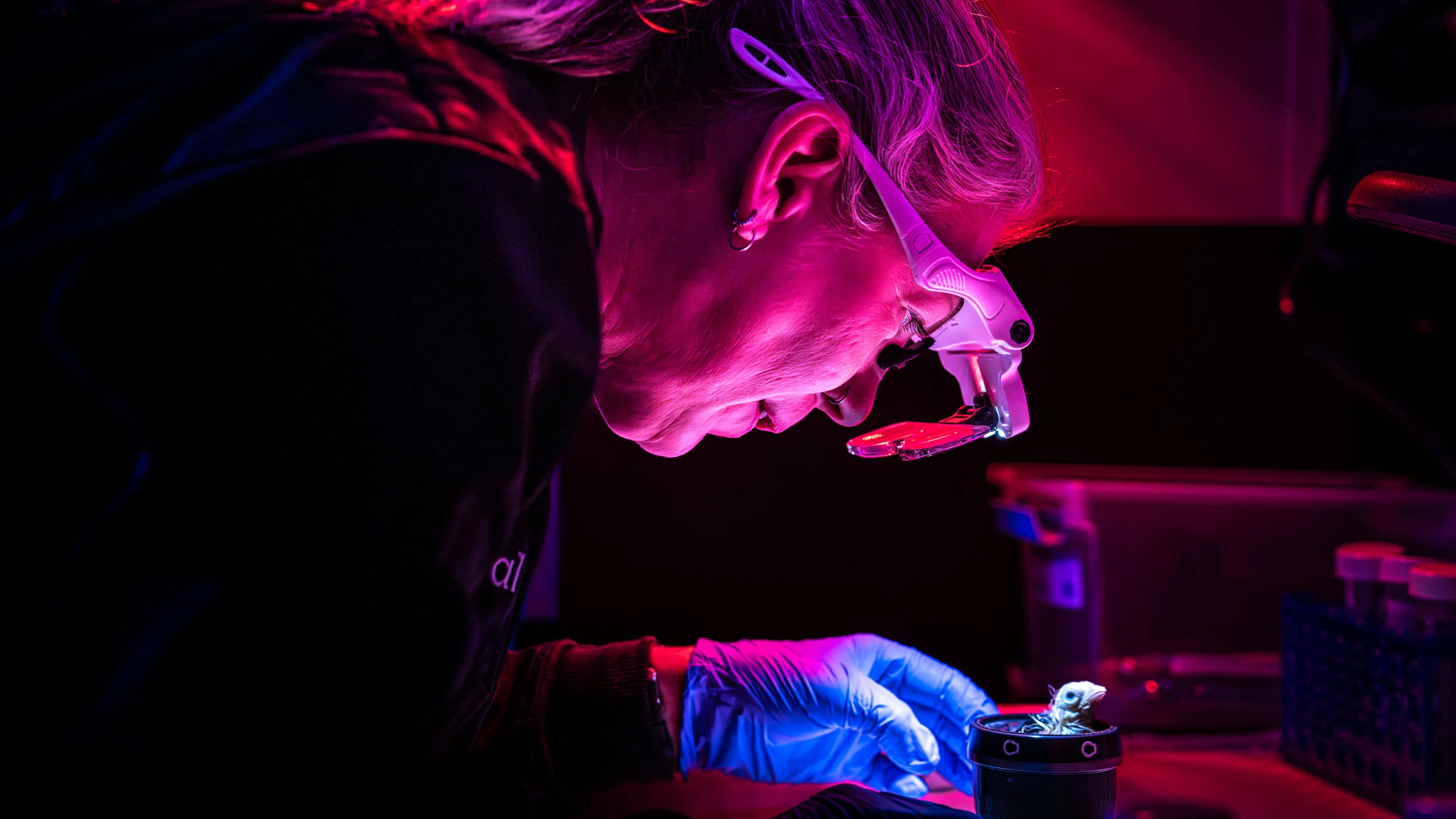
Colossal Biosciences has announced the development of a “fully artificial egg,” utilising transparent 3D-printed plastic cups to incubate developing chicks at its Dallas headquarters. The biotechnology firm states that the project is a component of its broader objective to resurrect extinct avian species, specifically targeting birds such as the dodo and the giant moa.
Inside the laboratory, baby chicks were observed growing within the plastic vessels, with reports noting that the animals were shifting and attempting to hatch. While the company describes the achievement as a significant milestone, some scientists have cautioned that the significance of the breakthrough may be overstated. Experts suggest the technology may currently represent an early stage in the development of artificial wombs rather than a complete replacement for natural avian reproduction.
In a separate legal development, Elon Musk has lost his landmark lawsuit against OpenAI. The litigation centred on allegations that OpenAI co-founders Sam Altman and Greg Brockman misled Musk regarding the company’s commitment to a non-profit mission. The court’s decision marks a definitive end to the high-profile dispute between the tech billionaire and the artificial intelligence research lab.
The outcome of the Musk versus OpenAI case carries potential implications for the governance and direction of the artificial intelligence sector. AI reporter and attorney Michelle Kim, who covered the trial for MIT Technology Review, joined editor-in-chief Mat Honan to discuss the details of the courtroom proceedings and the broader consequences for the industry.
The announcement from Colossal Biosciences and the ruling in the OpenAI case highlight diverging trends in technology and science. While biotech firms push the boundaries of reproductive engineering, legal frameworks continue to evolve to address the corporate structures and ethical obligations of major artificial intelligence developers.
