China trade data defies Iran war drag as exports and imports beat estimates
New customs data reveals China’s trade sector outperformed expectations in May, challenging narratives of economic stagnation linked to the ongoing conflict in Iran.
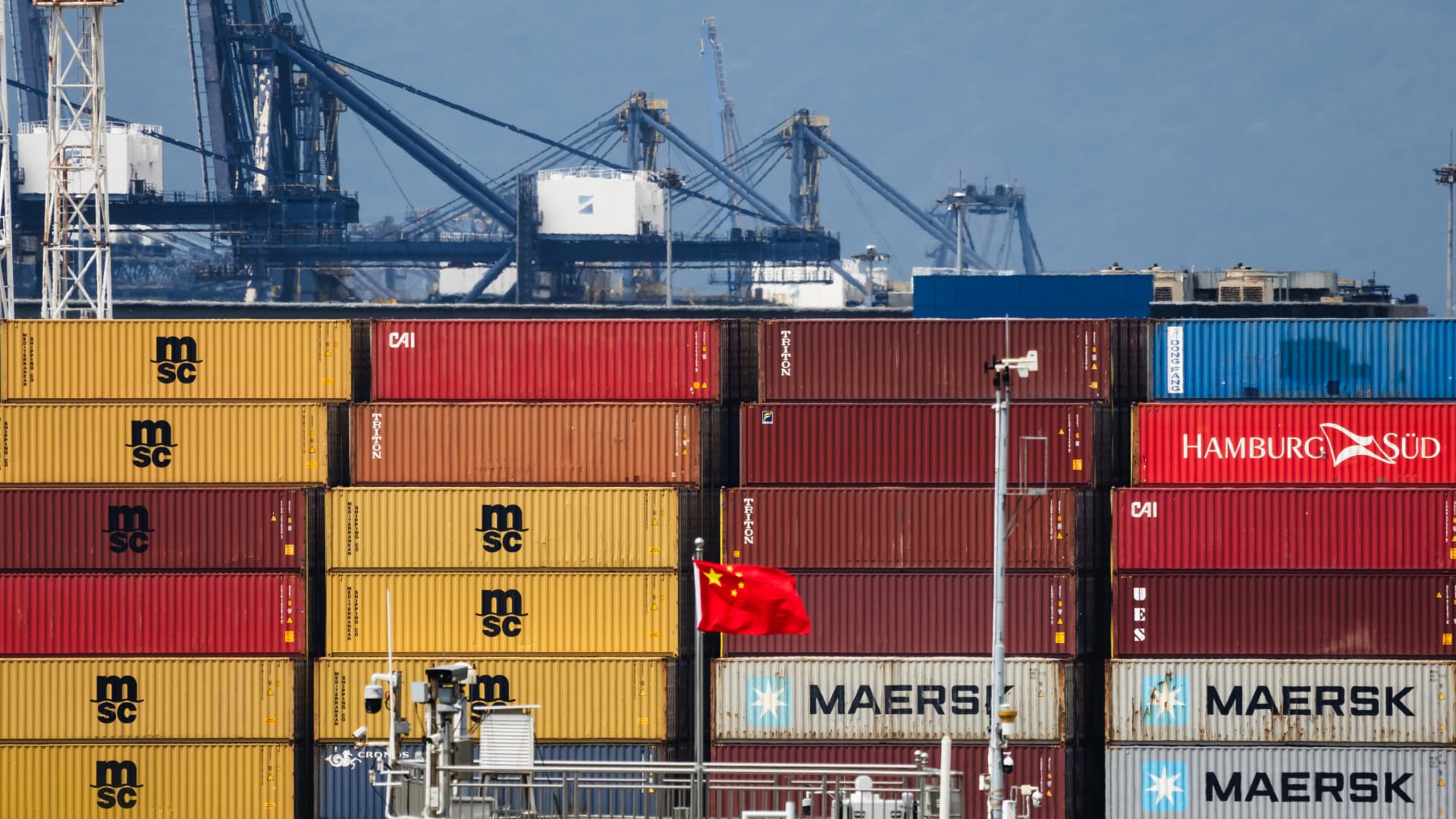
China’s trade figures for May have exceeded market estimates, with both exports and imports recording stronger-than-anticipated growth. The data presents a resilient front for the world’s second-largest economy, defying the anticipated economic drag attributed to the ongoing Iran war.
The release of these trade statistics comes at a time when broader indicators suggest the Chinese economy has shown signs of faltering following a robust first quarter. While the initial months of the year demonstrated strength, the May data provides a nuanced view of current economic momentum, highlighting that trade flows have not yet succumbed to the geopolitical pressures affecting global supply chains.
The performance of China’s trade sector is particularly notable given the broader geopolitical context. Tensions surrounding the Strait of Hormuz have raised concerns about potential disruptions to energy and commercial shipping routes. Despite these risks, the latest figures indicate that Chinese exporters and importers have maintained their volume, suggesting that supply chain adjustments or alternative routing may be mitigating the impact of regional instability.
This trade data release coincides with heightened diplomatic activity between Washington and Beijing. A recent summit in the Chinese capital brought together US President Donald Trump and Chinese President Xi Jinping to discuss critical issues including trade policy, artificial intelligence, and the security implications of the Strait of Hormuz. The event, attended by prominent US technology leaders such as Elon Musk, Tim Cook, and Jensen Huang, underscores the continued importance of bilateral economic relations despite broader geopolitical frictions.
Market reactions to the geopolitical landscape have been mixed but generally positive for specific sectors. Nvidia shares surged more than 2% following the approval of a chip sale, reflecting investor confidence in continued technology trade flows. Meanwhile, Amazon reported fiscal 2025 fourth-quarter revenue of $213.4 billion and operating income of $25 billion, beating expectations and driving its shares up 31.9% due to institutional buying. These movements suggest that while macro-level geopolitical risks persist, institutional capital remains active in key technology and consumer sectors.
The May trade data serves as a critical indicator for investors monitoring China’s economic trajectory. While the strong first quarter has ended, the resilience shown in May’s trade numbers suggests that the economy is not collapsing under the weight of external shocks. However, the mention of signs of faltering following the initial quarter’s strength indicates that policymakers and market participants should remain cautious about the sustainability of this momentum in the coming months.