CEPI pledges $60 million to accelerate Bundibugyo Ebola vaccine development
The Coalition for Epidemic Preparedive Innovations has committed significant funding to three vaccine candidates, including Moderna’s mRNA platform, to address the uncontrolled Bundibugyo ebolavirus strain which has killed 241 people.
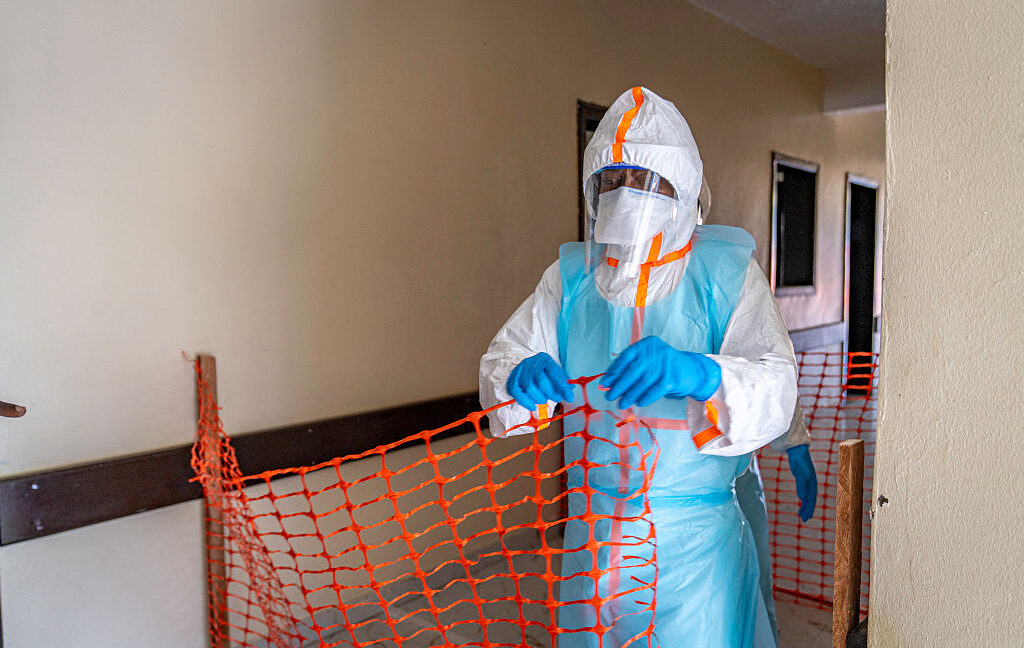
The Coalition for Epidemic Preparedive Innovations (CEPI) has pledged more than $60 million to accelerate the development of three vaccine candidates against the Bundibugyo ebolavirus (BDBV). The funding aims to combat an uncontrolled outbreak in the Democratic Republic of the Congo, where the virus has caused significant mortality with no licensed therapeutics currently available for this specific strain.
CEPI has committed up to $50 million to US-based Moderna to fund the preclinical development and Phase 1 clinical testing of its mRNA-based BDBV vaccine candidate. This investment also supports manufacturing ramp-up and preparation for large-scale Phase 2 and 3 trials, should the candidate prove effective in early stages. The project leverages the same mRNA platform that enabled Moderna to develop its COVID-19 vaccine rapidly.
Moderna chief executive Stéphane Bancel stated that the company would move with urgency and scientific rigor to support the response. He emphasised that the mRNA platform could play a critical role in responding rapidly to emerging infectious disease threats, aiming to bring a potential vaccine closer to the communities most affected by the outbreak.
In addition to the Moderna investment, CEPI is providing $3.2 million to the International AIDS Vaccine Initiative. This group is developing a vaccine using technology similar to Merck’s approved Ebola vaccine, Ervebo, which targets the Zaire strain. CEPI is also committing $8.6 million to the University of Oxford and Serum Institute of India for an adenovirus-based vaccine candidate, utilising the platform employed for their own COVID-19 vaccine.
The current situation in the Democratic Republic of the Congo represents only the third outbreak driven by the Bundibugyo strain. As of Friday, the World Health Organization reported 1,041 cases, including 135 confirmed and 906 suspected, alongside 241 deaths. The outbreak is complicated by delayed detection, armed conflict, large population mobility, and significant humanitarian needs in the affected region.
While licensed vaccines such as Ervebo and Johnson & Johnson’s Zabdeno/Mvabea exist, they target the Zaire and Sudan strains, which have caused most large outbreaks historically. The lack of approved interventions for the Bundibugyo strain remains a primary challenge for health officials managing the current crisis.
