Cearvol Wave Lite hearing aids struggle with audio clarity in competitive low-cost market
While the Cearvol Wave Lite offers a stylish alternative to traditional medical-grade technology, reviewers note tinny voices and inadequate background noise filtering.
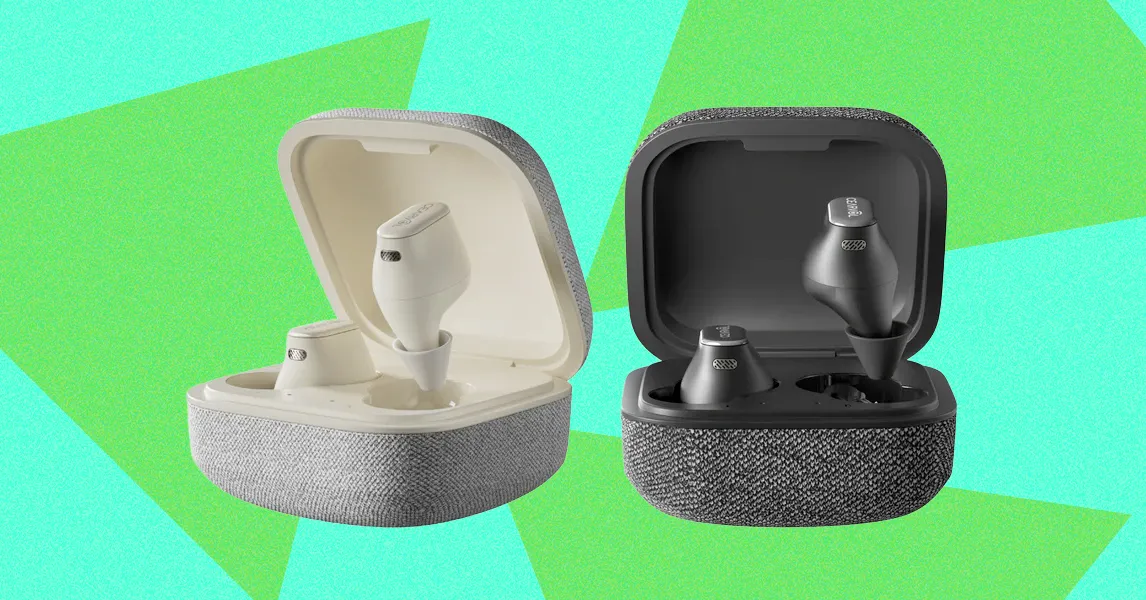
Cearvol has entered the low-cost over-the-counter hearing aid market with the Wave Lite, priced at $299. The device is designed to resemble Bluetooth earbuds rather than traditional medical-grade technology, available in black or an off-white "Starlight" finish. It features a companion app for basic hearing tests and audio management, offering four environmental scene modes. While the device provides moderate hearing improvement and good battery life, reviews indicate limitations in audio quality, with voices described as tinny and insufficient background noise filtering.
Independent review testing indicates the Wave Lite provides only moderate hearing improvement, with voices often described as "tinny and thin". Reviewers noted that the device boosts low-level background noise rather than filtering it out, and sharp sounds like keyboard clacks can be overpowering. The device uses a twist-lock mechanism for fit and features tap controls for volume and scene selection, with no physical buttons. An "Ambient Aware" toggle allows users to hear surroundings while streaming media.
Battery life testing yielded 5 hours and 45 minutes per charge, slightly below Cearvol’s claimed 6.5 hours, though the company states upcoming production batches will offer 8 hours. The charging case provides an additional 15.5 hours of battery life, with future batches expected to provide 20 extra hours. The charging case includes a 3.5mm AUX port, a feature noted as unusual for hearing aids.
The low-cost over-the-counter hearing aid market (sub-$500) is described as competitive, with many products offering middling to dismal performance. Cearvol positions the Wave Lite as a stylish alternative to traditional "stodgy medical-grade" hearing technology. The product is part of a broader trend of consumer electronics companies entering the hearing health space, competing with established brands like Apple.
Traditional hearing aids often suffer from inflated pricing, which Cearvol aims to address with its $299 price point. However, the audio assistance provided was described as not nuanced enough for some users, with conversations and movie-watching not measurably improved despite tweaking settings. The device represents a significant entry into a market where performance has historically lagged behind consumer expectations for audio fidelity.
