Carney unveils 'AI for All' strategy amid productivity scepticism
The "AI for All" framework targets 90,000 jobs and a public supercomputer, yet faces backlash for overlooking evidence that AI adoption does not guarantee economic gains.
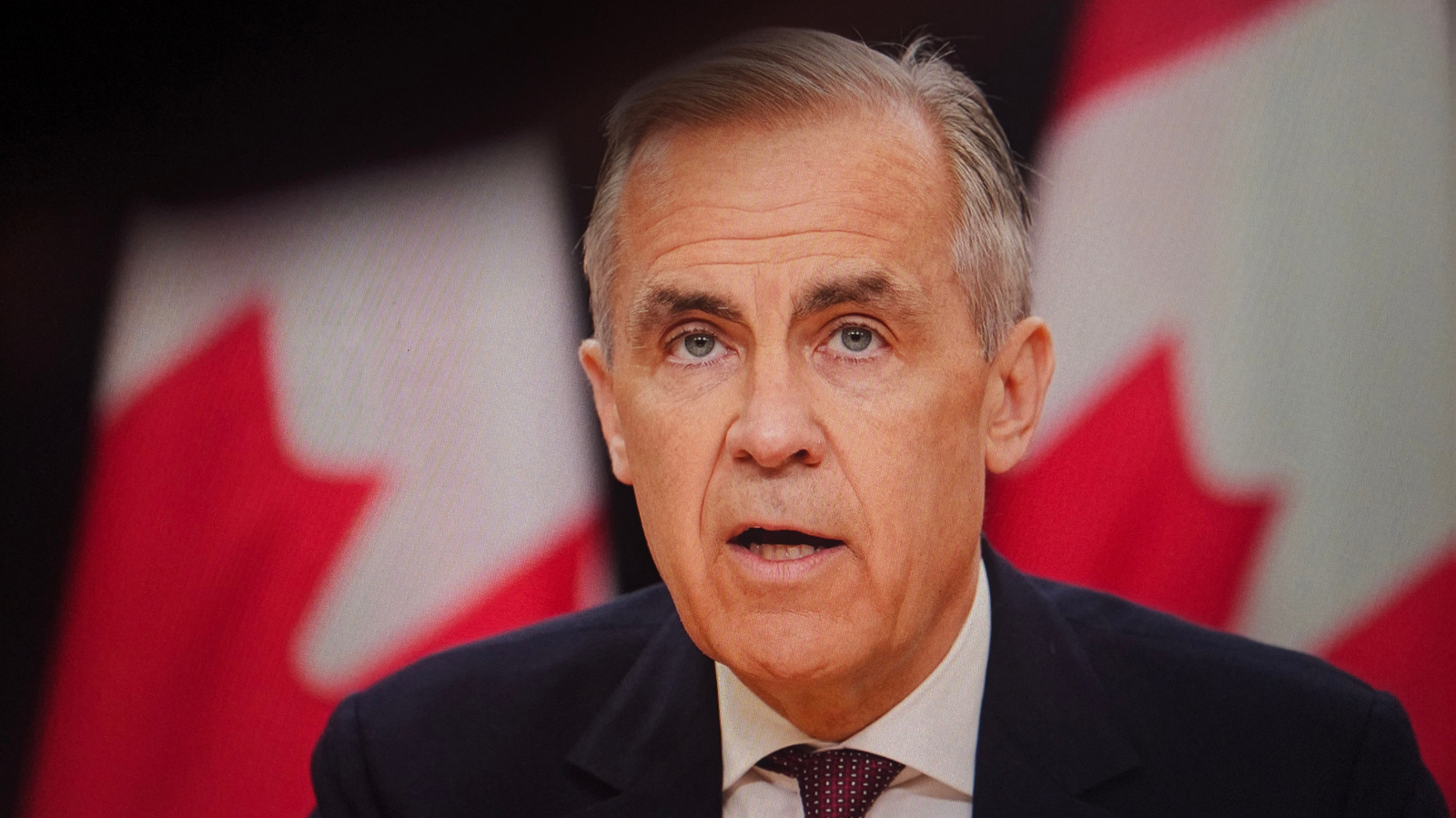
Canadian Prime Minister Mark Carney has announced the "AI for All" strategy, a five-year framework designed to guide national legislation and infrastructure investment in the artificial intelligence sector. The plan prioritises strengthening data protections, increasing AI adoption, and building public trust, aiming to harness a global market projected to reach US $4.8 trillion by 2033. Carney stated the initiative would create up to 90,000 AI-related jobs and work placement opportunities, positioning the strategy as a means to strengthen national prosperity.
The strategy outlines several key legislative and infrastructural measures. These include updating frameworks to protect personal information against deepfakes and surveillance pricing, establishing an online safety regime for chatbot and social media users, and launching a National AI Literacy Initiative. The plan commits to providing free entry-level AI training and ensuring post-secondary students have access to trusted AI agents. Additionally, it calls for the construction of a public AI supercomputer to support sovereign compute infrastructure, with investments aligned to Canada’s clean energy goals and supported by government procurement.
While the document acknowledges growing Canadian scepticism towards AI, it largely ignores evidence suggesting that adopting these technologies does not necessarily increase productivity. Critics argue the strategy focuses on communication and access issues, despite free tools such as ChatGPT, Gemini, and Claude being widely available. Detractors contend that low adoption rates may reflect fundamental problems with AI outputs rather than a lack of understanding or access among the public.
The "AI for All" plan is described as slightly more focused on the impact of technology on ordinary people compared to US President Donald Trump’s similar framework. However, it remains similarly concerned with growing the domestic AI industry. The announcement has drawn criticism for overlooking the growing distaste for AI technology and the broader backlash against its implementation, raising questions about the long-term effectiveness of the proposed measures in addressing public concerns.
The strategy aims to ensure AI works for all Canadians by investing in foundations built, hosted, and run within the country. By combining legislative updates with significant infrastructure spending, the government seeks to balance economic growth with consumer protection. However, the disconnect between the plan’s optimism and the prevailing scepticism among users suggests that the initiative may face significant hurdles in gaining widespread acceptance and delivering on its promised economic benefits.
