Carnegie Mellon snake robots deployed in Venezuela earthquake search
Researchers from the US university arrived in late June to inspect collapsed structures where human assessments conflicted, though no survivors were located by the robotic units.
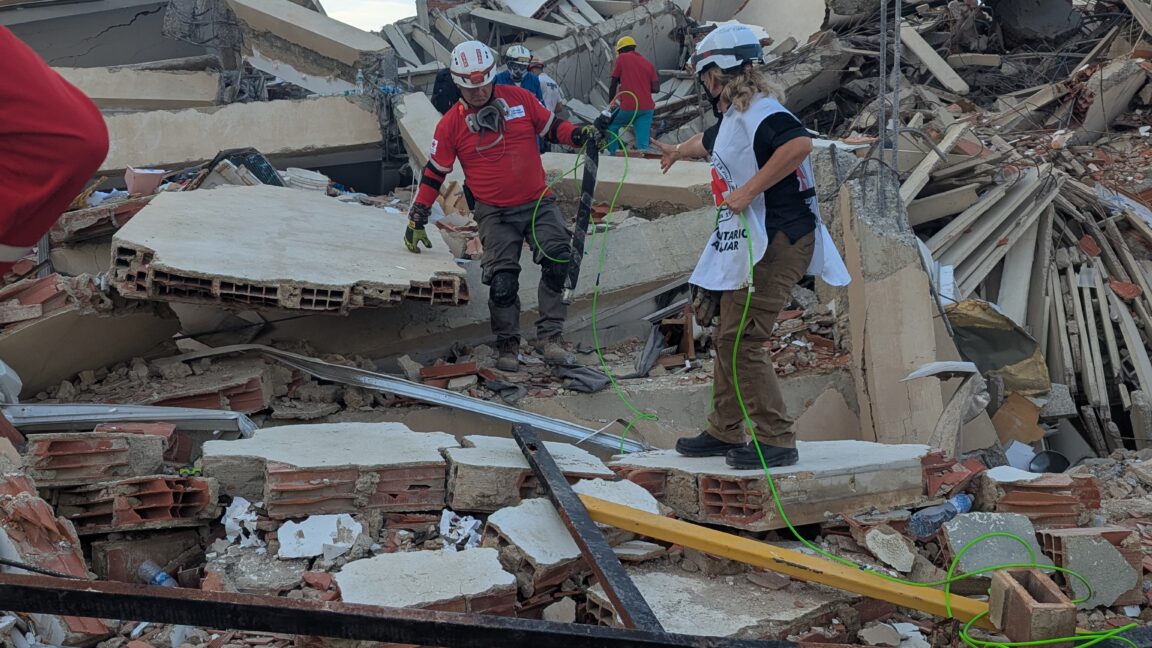
Researchers from Carnegie Mellon University deployed modular snake robots in Venezuela to search for survivors in collapsed buildings following two earthquakes on June 24 that killed more than 5,000 people. The team, led by Howie Choset, arrived in La Guaira on June 30 after rapid mobilisation and secured transport via private jet. The robots, controlled via video game controllers, were used to inspect tight spaces in rubble, including a site where a Jordanian rescue team and Colombian infrared cameras had conflicting assessments. Although no survivors were found by the snake robots, the team worked alongside international rescue groups for three days until July 3. The deployment followed a request from Beatriz Gonzalez, who contacted the lab after seeing coverage of their previous use in the 2017 Mexico City earthquake. The United Nations has requested $300 million for relief efforts, while the World Bank estimates building damage at $19.6 billion.
The Carnegie Mellon team was preparing to demonstrate their robots at a concert celebrating America’s 250th anniversary at Pittsburgh’s Point State Park on June 27 when they received the request to deploy. The team faced logistical challenges securing transport, with several private jet owners backing out due to Venezuelan government restrictions; Gonzalez assisted in securing a flight using personal connections. Upon arrival, the team was greeted by US Marines and handed over to the Venezuelan Red Cross.
In one specific instance, a Jordanian rescue team with a dog concluded a building had no survivors, while a Colombian team’s infrared cameras indicated a possible survivor; the CMU snake robot entered a 15–20 foot hole but found no one. The team packed extra batteries and replaced head-mounted cameras before departure to ensure operational readiness. Future improvements for the robots include attaching light-based sensors for 3D point cloud mapping to assist operators in navigating collapsed structures.