CAR T cell therapy trials show promise for treating autoimmune diseases
The treatment involves reprogramming a patient's T cells to eliminate B cells that mistakenly attack the body's own tissues, effectively resetting the immune system.
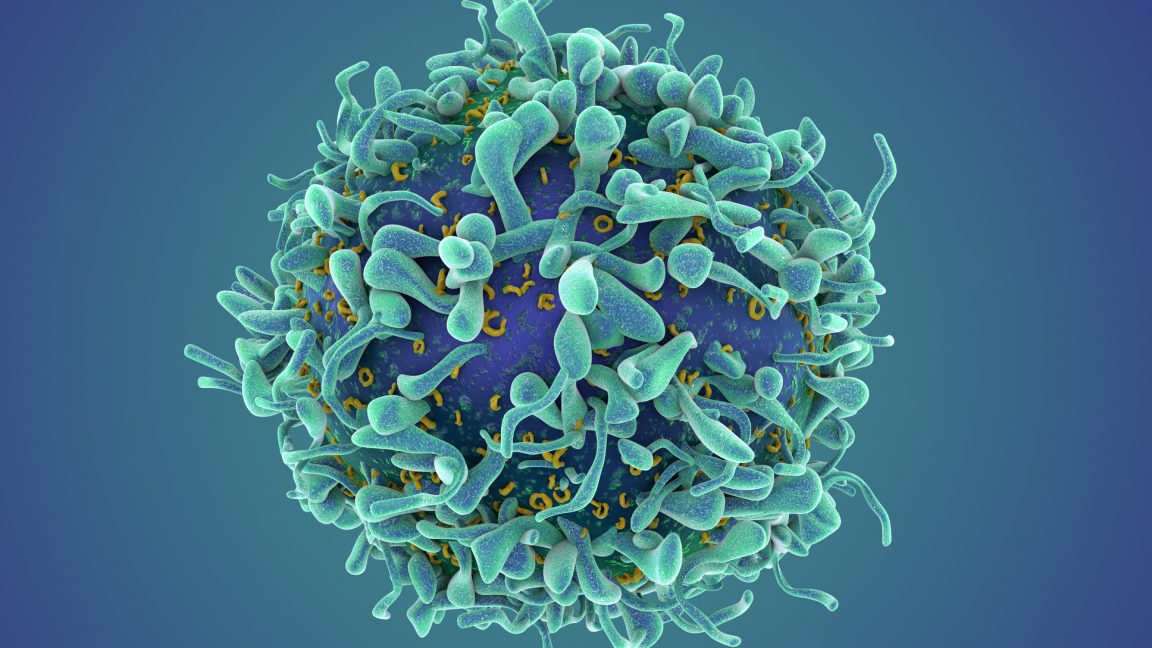
Researchers are testing CAR T cell therapy, originally developed for cancer, to treat autoimmune conditions such as multiple sclerosis, lupus, and stiff person syndrome. The treatment involves reprogramming a patient's T cells to eliminate B cells that mistakenly attack the body's own tissues, effectively resetting the immune system. Early clinical trials, including those at the University of Nebraska Medical Center and the University of Colorado Anschutz, have reported significant symptom improvement and reduced reliance on assistive devices. However, the therapy carries risks including severe inflammation, temporary immunosuppression, and potential long-term toxicity. Challenges also include the high cost of personalised treatment and the development of safer, off-the-shelf alternatives using mRNA or donor cells.
Jan Janisch-Hanzlik, a 49-year-old multiple sclerosis patient, became the first patient to receive an experimental CAR T cell therapy trial at the University of Nebraska Medical Center on June 9, 2025. Her participation was driven by a desire to prevent her grandchildren, who have a genetic predisposition to the disease, from experiencing similar struggles. Despite the known risks of dangerous inflammation and temporary immunosuppression, she underwent the treatment, which is administered by TG Therapeutics. The company expects to complete its research in early 2029.
A study led by Dr Amanda Piquet at the University of Colorado Anschutz reported preliminary results in December 2025 for 26 patients with stiff person syndrome. Most patients walked faster by 16 weeks post-treatment, and eight no longer needed assistive devices. In April 2026, Kyverna reported that all 26 patients in the stiff person syndrome trial were no longer using other immunotherapies at their last follow-up, which ranged from four to 12 months post-therapy. These results highlight the potential for CAR T therapy to provide significant relief for conditions that currently lack FDA-approved treatments.
James Howard at the University of North Carolina at Chapel Hill is testing a second-generation CAR T technology from Cartesian Therapeutics that uses mRNA instead of DNA. This approach aims to reduce long-term risks by ensuring the CAR T cells lose their B cell-targeting abilities once the mRNA degrades. In a recent trial, 15 patients with autoimmune diseases received the Cartesian CAR T treatment, with two-thirds seeing symptom improvement and none suffering long-term serious side effects. This method is viewed as a safer alternative to traditional DNA-based engineering.
The Food and Drug Administration has endorsed CAR T's potential in autoimmunity but warned of unpredictable long-term toxicity in a February publication. Risks include severe inflammation, temporary immunosuppression, and potential long-term toxicity, including the possibility of secondary cancers. The high cost of personalised treatment remains a significant barrier, with expenses reaching hundreds of thousands of dollars. Researchers are actively working on off-the-shelf alternatives using donor cells to improve accessibility and reduce costs, with estimates suggesting a single donor's blood cells could be used to produce CAR T cells for more than 1,000 patients.
