California DMV grants Nuro modified permit for driverless testing of Uber robotaxi fleet
The California Department of Motor Vehicles has authorised driverless trials of autonomous vehicles equipped with Nvidia hardware, a prerequisite for Uber's premium robotaxi service.
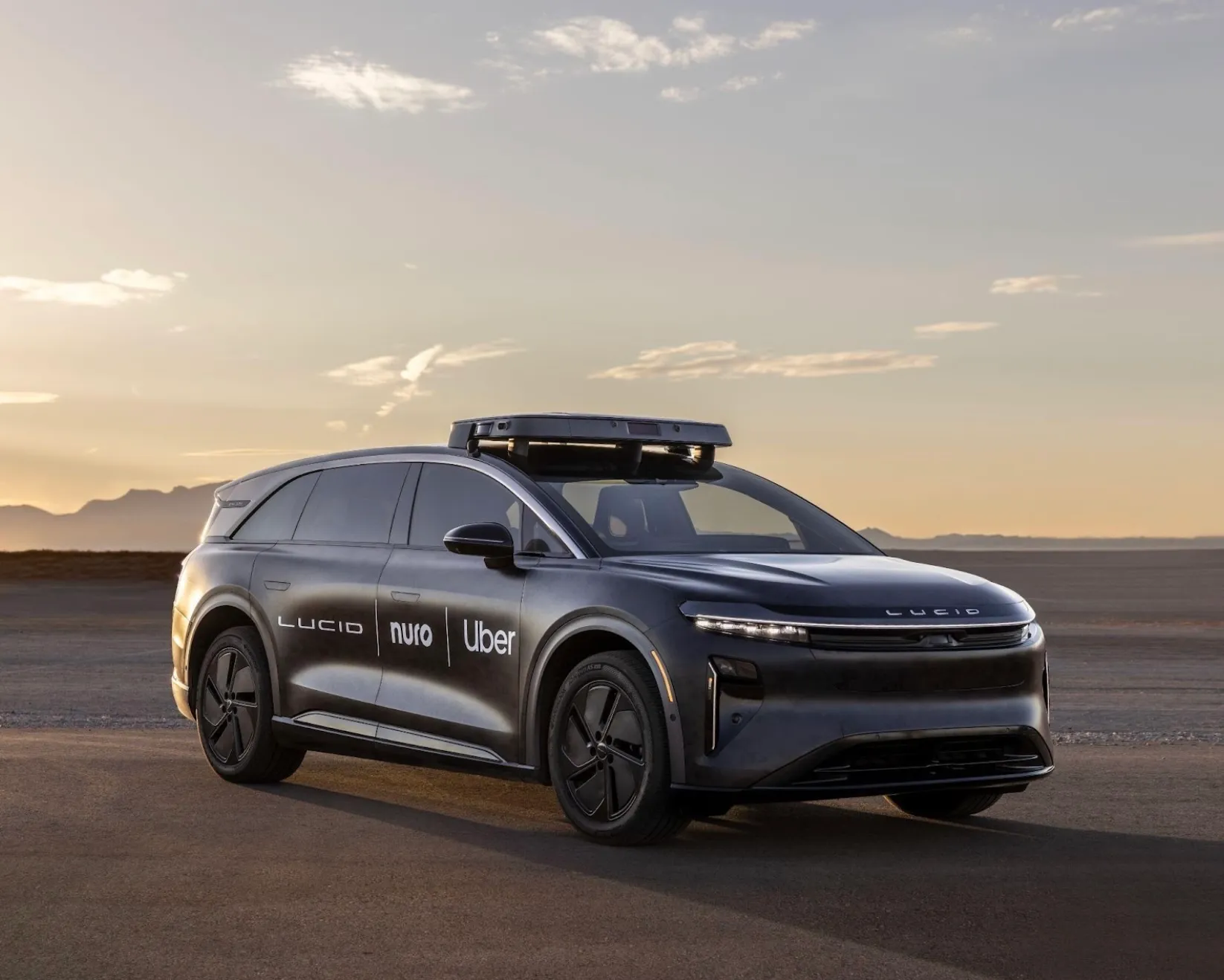
The California Department of Motor Vehicles has issued a modified permit to Nuro, explicitly authorising driverless testing of Lucid Gravity SUVs on public roads within the state. This regulatory approval serves as a mandatory prerequisite for Uber's planned launch of its premium robotaxi service, which will utilise these specific vehicles equipped with Nuro's autonomous technology and Nvidia hardware.
While the permit has been granted, Nuro states it is not yet ready to commence full driverless operations and expects to begin testing later this year. The Silicon Valley-based startup currently continues testing protocols with a human safety operator on board, a measure that has been in place since the original three-way deal was announced in July 2025.
The regulatory landscape remains complex as Nuro must still secure a driverless ride-hailing permit from the California Public Utilities Commission and a deployment permit from the DMV before a full commercial launch can occur. Nuro has held a driverless permit for six years, but that specific program previously only applied to low-speed delivery vehicles before being scrapped when the company pivoted to licensing its technology to partners like Uber.
The initiative stems from an expanded partnership between Uber, Lucid, and Nuro. Uber's investment in Lucid has increased from $300 million to $500 million, and the order for robotaxis has been adjusted to include at least 10,000 Gravity SUVs and 25,000 EVs built on Lucid's upcoming mid-size platform. Lucid has delivered 75 engineering vehicles to the partners, with ongoing testing and mileage accumulation occurring in several US cities.
Lucid executives confirmed during their first-quarter earnings call that the company is on track for commercial robotaxi operations to begin in late 2026, noting that development and certifications are proceeding as expected. However, it is possible that those operations will not be fully driverless or will be limited in some way, depending on the finalisation of all necessary regulatory approvals.
The Lucid Gravity robotaxi is outfitted with high-resolution cameras, solid-state lidar sensors, and radars, powered by Nvidia's Drive AGX Thor computer. As Nuro makes progress on testing, the focus remains on clearing the remaining bureaucratic hurdles before the fleet can operate without a human safety operator in the driver's seat.
