Blue Origin pledges New Glenn return-to-flight by end of 2026 after Florida launch site explosion
Chief executive Dave Limp confirms key propellant tanks remain intact following May 28 static fire test failure, while NASA and the US Space Force pledge support for an accelerated rebuild timeline.
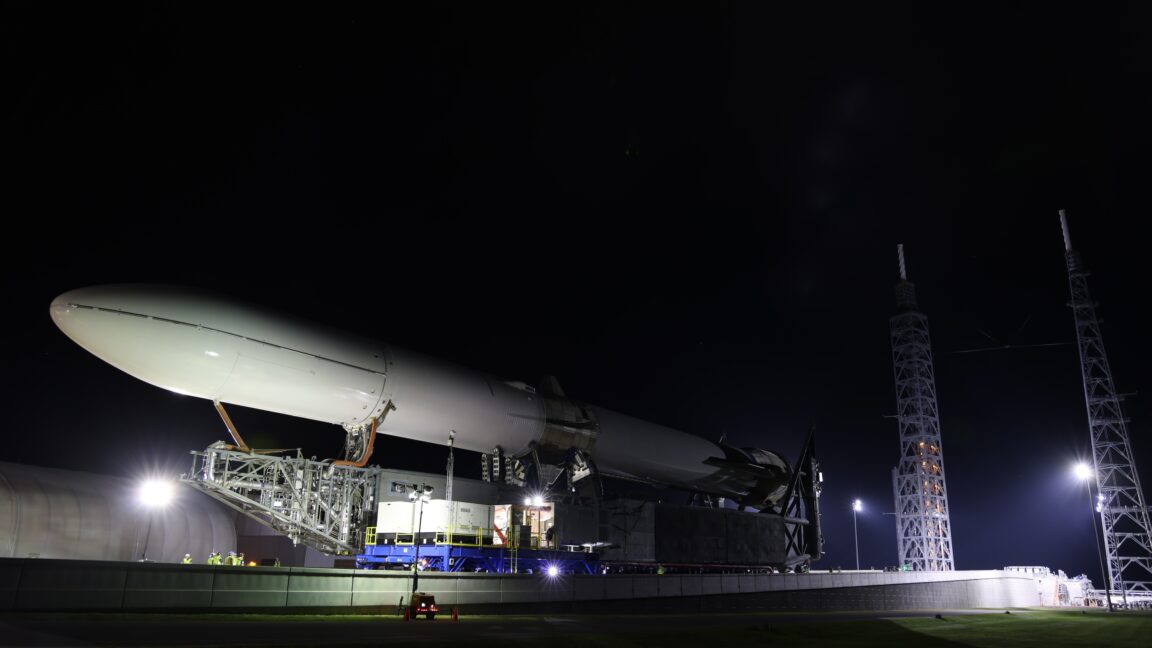
Blue Origin has committed to launching its New Glenn rocket again before the end of 2026, establishing an aggressive return-to-flight schedule following a spectacular explosion at its Florida launch site on May 28. The incident occurred during a static fire test, resulting in significant damage to the LC-36A infrastructure. Chief executive Dave Limp confirmed that a preliminary survey of the site has been completed and that critical assets, including the propellant farm, oxygen, liquid hydrogen, and LNG tanks, remain in good condition.
The company intends to rebuild the LC-36A site for the 7x2 variant of the New Glenn rocket, rather than constructing a new pad for the larger 9x4 variant at the adjacent LC-36B location. A major logistical hurdle was the destruction of the transporter-erector, which moves the rocket from the integration hangar to the pad. Limp stated that the existing unit was damaged beyond repair, but the company will bypass the need for new hardware by adopting an alternative vertical operational concept.
While the six-month timeline is considered optimistic by industry sources, who estimate a more realistic rebuild period of 12 to 18 months, federal agencies have pledged support. NASA Administrator Jared Isaacman and the US Space Force have confirmed their backing for the effort, likely providing expedited reviews and range management assistance. This support is critical for Blue Origin’s broader objectives, including its role in NASA’s Artemis Program via the Blue Moon lander.
Speculation regarding the cause of the failure points to a main engine failure during the static fire test, which ruptured the first and second stages. However, the BE-4 engine, which powers both the New Glenn and the Vulcan vehicle, has a generally positive track record across three previous New Glenn flights. The primary challenge now lies in the physical reconstruction of the launch site, which requires serious rework of the concrete foundation and specialised labour.
The accelerated timeline may also signal Blue Origin’s intent to limit discussions about launching its Blue Moon lander on competitor SpaceX’s Falcon Heavy rocket. Despite the risks associated with such a rushed schedule, the company aims to return to flight rapidly to maintain momentum in the commercial space sector and support its contractual obligations with federal partners.
