Blue Origin New Glenn explosion halts launch cadence, jeopardises NASA Artemis timeline
The catastrophic failure of the New Glenn rocket during a test in May 2026 marks the most significant setback for Jeff Bezos’ spaceflight venture, with implications for NASA’s lunar cargo schedule and the company’s aggressive 2026 launch targets.
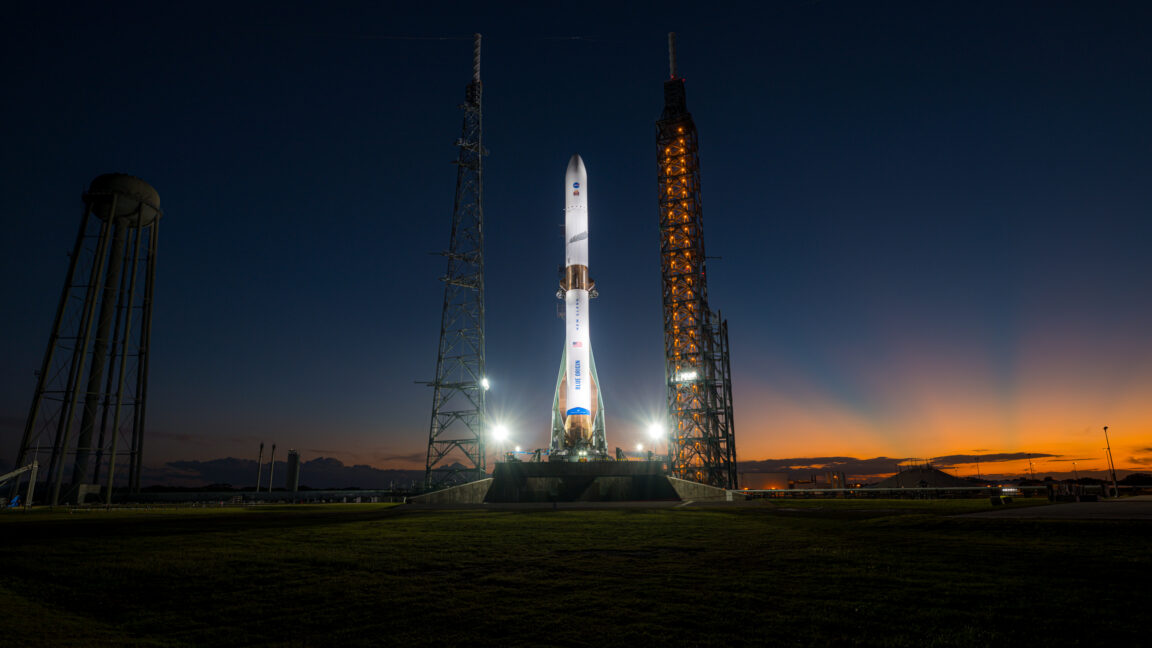
Blue Origin’s New Glenn rocket suffered a catastrophic failure during a static fire test at Launch Complex 36A in Florida on Thursday evening, 28 May 2026. The explosion, originating in the first stage’s engine section powered by seven BE-4 engines, caused extensive damage to the launch infrastructure, including potential loss of the lightning tower and transporter-erector. No injuries were reported, and the payload—Amazon Leo internet satellites—was stored safely in a nearby facility. The incident marks the most dramatic rocket explosion since the Soviet N1 in 1969 and represents a significant setback for Blue Origin’s planned 12 launches in 2026. The failure impacts NASA’s Artemis programme, which relies on New Glenn to deliver lunar cargo, including the Blue Moon Mark 1 lander and rovers built by Lunar Outpost and Astrolab. Blue Origin founder Jeff Bezos confirmed an investigation is underway, while the company considers accelerating construction on a second launch site, LC-36B, as an alternative to rebuilding LC-36A.
The incident occurred during testing ahead of the vehicle’s anticipated fourth launch, designated NG-4. The first stage, nicknamed “No, It’s Necessary,” was making its debut flight. Video captured by NASASpaceflight.com showed a massive fireball erupting above the launch site along the Florida coast. Blue Origin confirmed that all personnel were accounted for and safe, noting that the payload remained undamaged in a nearby integration facility. This event stands in stark contrast to the company’s recent trajectory, which had seen it successfully land and reuse a New Glenn first stage in April for its third flight, despite an upper-stage issue that caused that mission to fail.
The timing of the incident places intense scrutiny on Blue Origin’s ability to compete with SpaceX in the heavy-lift launch sector. The company had been poised to break into a monthly launch cadence, having demonstrated rapid turnaround capabilities after its previous in-flight failure. However, the destruction of the launch infrastructure at LC-36A, which sources suggest may be beyond repair, threatens to halt operations for an extended period. Historical precedents, such as the year-long rebuild of SpaceX’s Space Launch Complex-40 following a 2016 pad failure, underscore the severity of the logistical challenge now facing Blue Origin.
The failure has direct implications for NASA’s Artemis programme, which is counting on New Glenn to deliver critical hardware to the lunar surface. NASA recently announced the selection of New Glenn to deliver the first two rovers, built by Lunar Outpost and Astrolab, to the Moon in 2028. Additionally, the Blue Moon Mark 1 lander, designed to fly atop New Glenn, was scheduled to launch this fall, followed by the VIPER rover mission next year. A larger version of the rocket, the 9×4 variant with nine first-stage engines, is under development and may become the focus of Blue Origin’s efforts, potentially accelerating its transition to this more powerful configuration.
Blue Origin founder Jeff Bezos confirmed on X that the company is investigating the root cause and stated, “Very rough day, but we’ll rebuild whatever needs rebuilding and get back to flying.” Elon Musk commented on the incident via X, stating, “Most unfortunate. Rockets are hard.” With construction on a second launch site, LC-36B, in its early stages, it is possible that completing this new tower may be faster than rebuilding LC-36A. New Glenn will almost certainly not launch again in 2026, and a return to flight in the first half of 2027 would be considered a heroic effort given the extent of the damage.
