Blue Origin faces 18-month rebuild timeline for New Glenn pad, ex-SpaceX engineers say
Structural damage to launch complex LC-36A and bespoke systems repair suggest a reconstruction period closer to 12 to 18 months, significantly longer than Blue Origin’s stated goal.
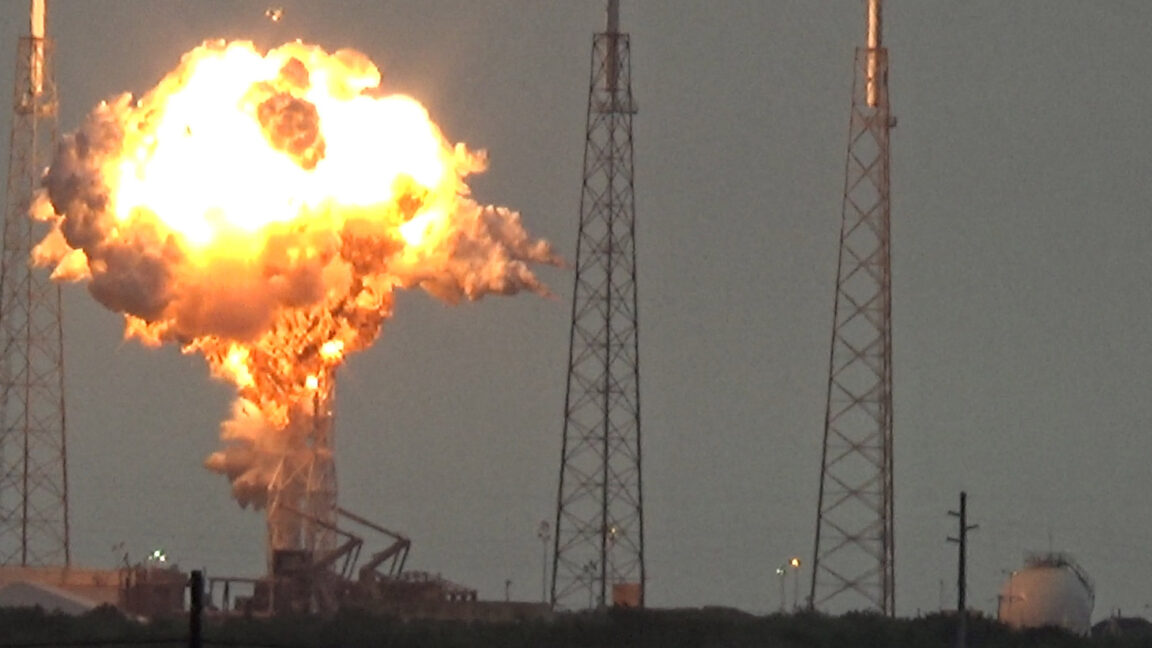
Blue Origin’s New Glenn rocket suffered a catastrophic explosion during a static fire test on May 28, 2026, causing severe damage to its launch complex in Florida. While Chief Executive Dave Limp has stated the company intends to resume launches from the damaged pad before the end of 2026, former SpaceX engineers estimate the reconstruction will take between 12 and 18 months. This timeline contradicts Blue Origin’s claim of resuming operations within seven months, raising questions about the company’s ability to meet its launch cadence targets.
The incident occurred while the company was preparing to increase its launch frequency, with New Glenn identified as a key element of NASA’s lunar ambitions. The explosion caused structural damage to one of Blue Origin’s massive launch towers, which toppled, while the other appears seriously damaged. Concrete foundations and flame trenches also appear to have collapsed in places. Significant damage is expected to electrical wiring and bespoke plumbing systems, requiring extensive manual labour for repairs.
Former SpaceX engineers John Muratore and Hans Koenigsmann, who rebuilt their own launch pad after a 2016 Falcon 9 failure, provided an assessment based on historical precedent. SpaceX’s reconstruction of its Space Launch Complex-40 (SLC-40) after the 2016 AMOS-6 failure took 15.5 months from incident to next launch, with 11 months dedicated to actual construction following site remediation and design. Muratore noted that SpaceX was not allowed to begin reconstruction work at the launch pad until January 2017, following an ongoing investigation that included a grid-by-grid examination of debris.
Trip Harriss, who managed the Falcon 9 fleet operations in 2016, highlighted the complexity of launch site infrastructure. He noted that launch pads require significant structural steel and concrete, but also involve intricate tubing and electrical wiring that must be repaired by hand. Harriss emphasised that every launch site has bespoke plumbing and electrical elements, with tasks such as pulling and splicing wire and delicate welding that take considerable time and effort to complete.
Despite the setback, former SpaceX employees view the failure as an opportunity for optimisation. The rebuild of SLC-40 allowed SpaceX to implement key improvements, such as a redesigned "strongback throwback" and upgraded flame trench, enabling launch turnarounds of less than 45 hours. Blue Origin began designing its launch complex at LC-36A before final specifications for the New Glenn rocket were complete, potentially allowing for optimisation based on data from previous launches. Harriss urged the Blue Origin workforce to remain resilient, stating that the situation is recoverable and presents a chance to start anew.
