Asus ROG Zephyrus G14 review: Performance gains fail to offset $3,600 price tag
The Verge finds the thin-and-light gaming laptop nearly perfect in execution, yet questions whether the hardware upgrades justify a $1,000 premium over last year’s AMD-based predecessor.
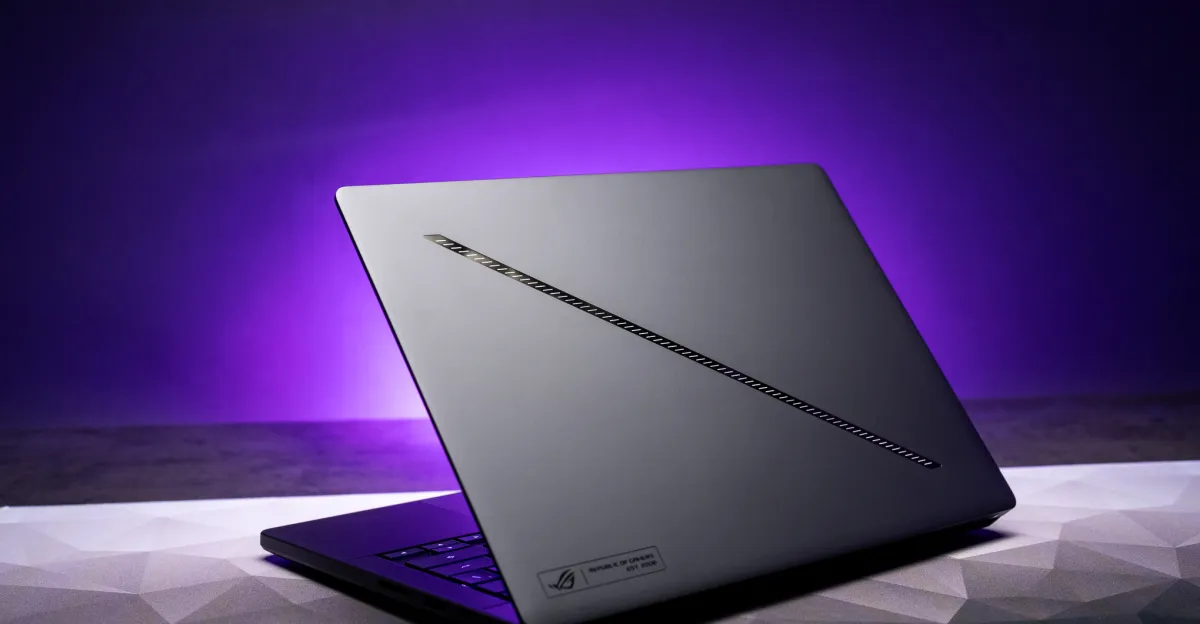
The Verge has published a comprehensive review of the 2026 Asus ROG Zephyrus G14, marking a significant architectural shift as the device transitions from AMD processors to Intel’s Panther Lake Core Ultra 9 386H and Nvidia’s RTX 5070 Ti GPU. The review unit, configured with 32GB of RAM and 1TB of storage, carries a price tag of $3,600, while the base model starts at $3,450. This pricing structure represents a substantial increase from previous generations, which previously offered comparable specifications in the low $1,000 to $2,500 range.
Hardware improvements are evident across several key metrics. The OLED display now achieves 500 nits in SDR and up to 1,100 nits in HDR peak brightness, a notable increase from the 2025 model. Connectivity has also been enhanced with the addition of a full-size SD card slot and Thunderbolt 4 ports replacing USB4. Battery efficiency is perhaps the most significant upgrade, with the device lasting over 17 hours in rundown tests and approximately 10 hours in mixed real-world use, compared to 8.5 hours for the previous AMD-based model.
Gaming performance remains robust for a thin-and-light chassis. The laptop delivered 65–70fps in Battlefield 6 and 80–90fps in Helldivers 2 at High settings without DLSS. While the bottom of the chassis becomes warm during intensive gaming, the keyboard deck remains tolerable. Asus has also retained last year’s AMD-based models to provide cheaper alternatives, though specific pricing for those units was not disclosed in the review.
Despite the performance gains, the review highlights several minor flaws and significant value concerns. The SSD is approximately 12% slower than the previous generation, and the webcam produces grainy footage in low-light conditions. More critically, the reviewer argues that the $3,600 price point offers poor value, particularly when compared to Apple Silicon MacBooks for non-gaming tasks or the significantly cheaper AMD variants. The review notes that the value proposition that originally defined the Zephyrus line has largely disappeared.
The article concludes that while the 2026 G14 is an almost perfect all-in-one device for users seeking portability and power, the cost increase places it in the luxury segment. The reviewer suggests that for the price of the new Intel model, consumers could purchase a MacBook Pro and a separate gaming device, such as a PlayStation 5 Pro or Steam Deck, and still have money remaining. The high pricing reflects broader industry trends driven by memory shortages and AI data centre demands, which have driven up the cost of RAM and SSDs.
